“Una aplicación detecta la somnolencia al volante” (Eng)
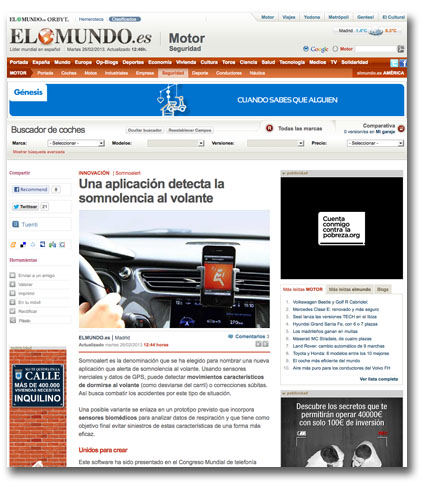
Further coverage of the driver drowsiness alerter Somnoalert® developed by IBEC and Ficosa has appeared today in El Mundo and abc.es.

Further coverage of the driver drowsiness alerter Somnoalert® developed by IBEC and Ficosa has appeared today in El Mundo and abc.es.
A new European Marie Curie Initial Training Network involving IBEC’s Nanoscale Bioelectrical Characterization group will attempt to bring research into microwaves – which are extensively used in a host of applications such as telecommunications, microwave ovens and radar – to a whole new level.
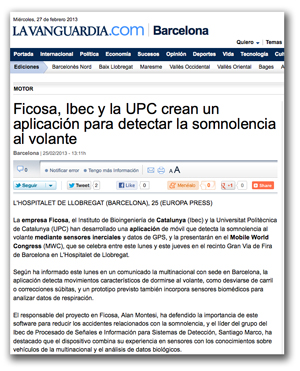
Monday’s press release about the driver drowsiness alerter Somnoalert® developed by IBEC and Ficosa got lots of coverage in the news this week, including in La Vanguardia, TeleCinco and El Economista.
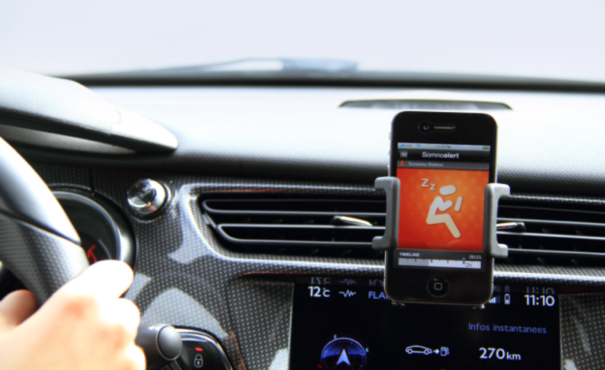 A new technology to combat dozing off when driving developed by IBEC, UB and industry partner Ficosa will be presented at this week’s GSMA World Mobile Congress in Barcelona.
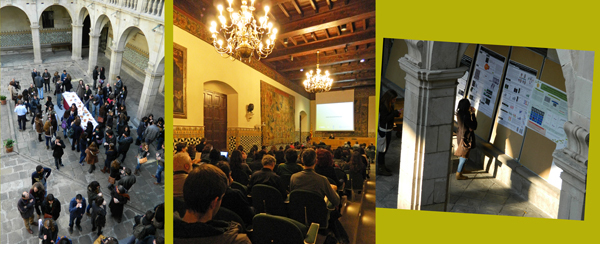
About 130 researchers from IBEC and the Institut de Biologia Molecular de Barcelona (IBMB), which is also located in the Barcelona Science Park (PCB), got together yesterday for a joint workshop to identify synergies and possible areas for collaboration.
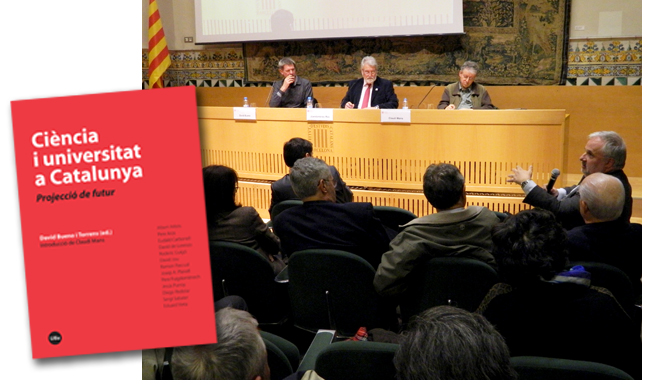
IBEC director Josep A. Planell took part in the public launch last night of a book to which he has contributed, “Ciència i universitat a Catalunya: Projecció de futur”.

Junior group leader Eduard Torrents is the recipient of a third “Pablo Motos” award from the Federación Española de Fibrosis Quística (FEFQ) to continue his research into identifying new antimicrobial molecules to fight the bacteria that cause complications and even death in many people with cystic fibrosis.
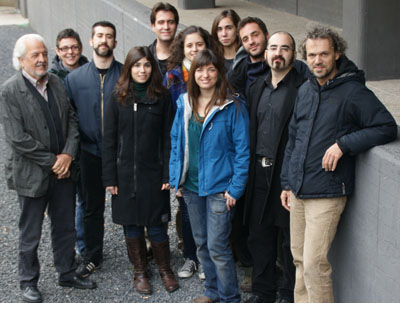
It has been announced that IBEC’s Pau Gorostiza (left, with the Nanoprobes and Nanoswitches group) is one of the researchers selected to benefit from the European Research Council (ERC)’s top-up funding scheme ‘Proof of Concept’.

Yesterday Diario Vasco, the daily newspaper published from San Sebastian, featured a report and video about the HYPER project, of which IBEC’s Robotics group is a partner.
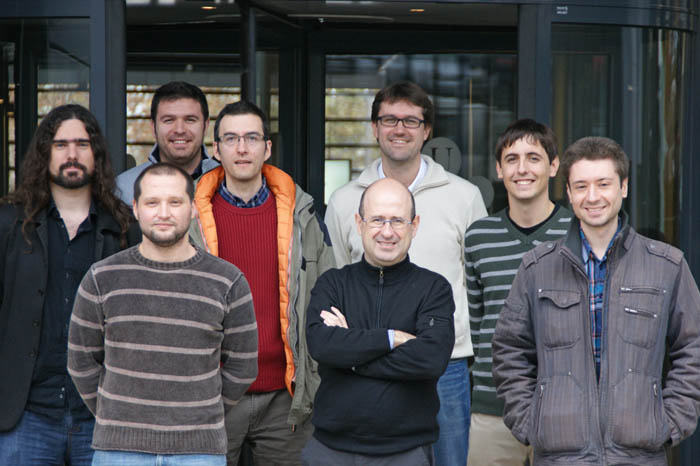
Santiago Marco’s research group at IBEC has changed its name and will now be known as the Signal and Information Processing for Sensing Systems group.