
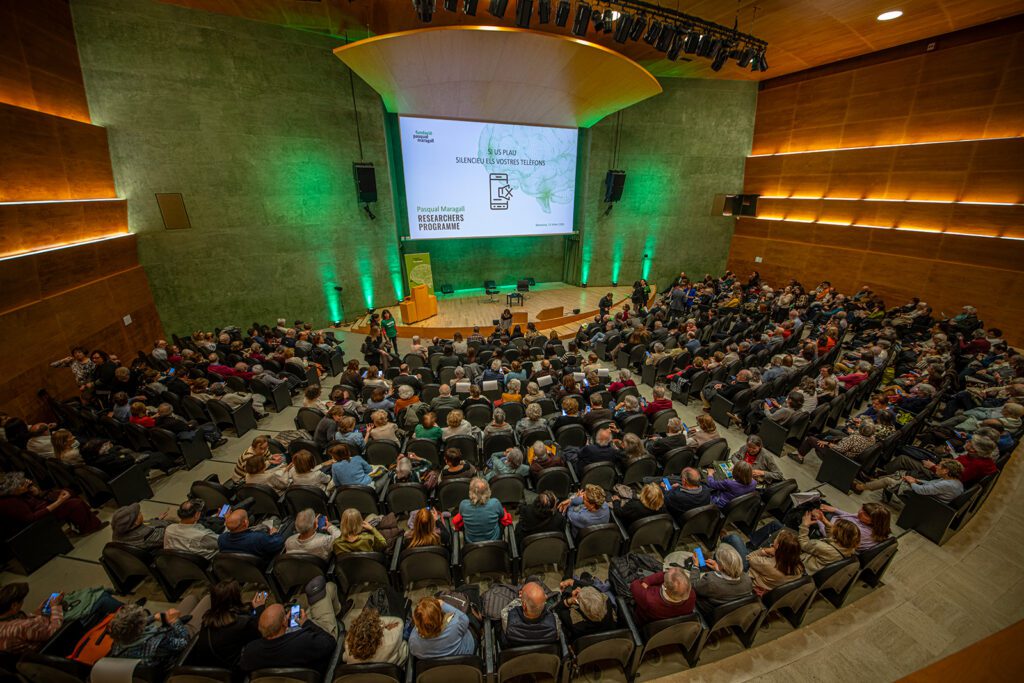
IBEC researcher Amayra Hernández-Vega has been awarded a grant from the Pasqual Maragall Researchers Programme to lead a project focused on studying the earliest stages of Alzheimer’s disease. The study will combine in vitro and human models of familial Alzheimer’s disease to identify age-related factors and potential inhibitors that could slow the early progression of the disease. The project was presented at an informative session on sleep and brain health, which was attended by around 500 people.
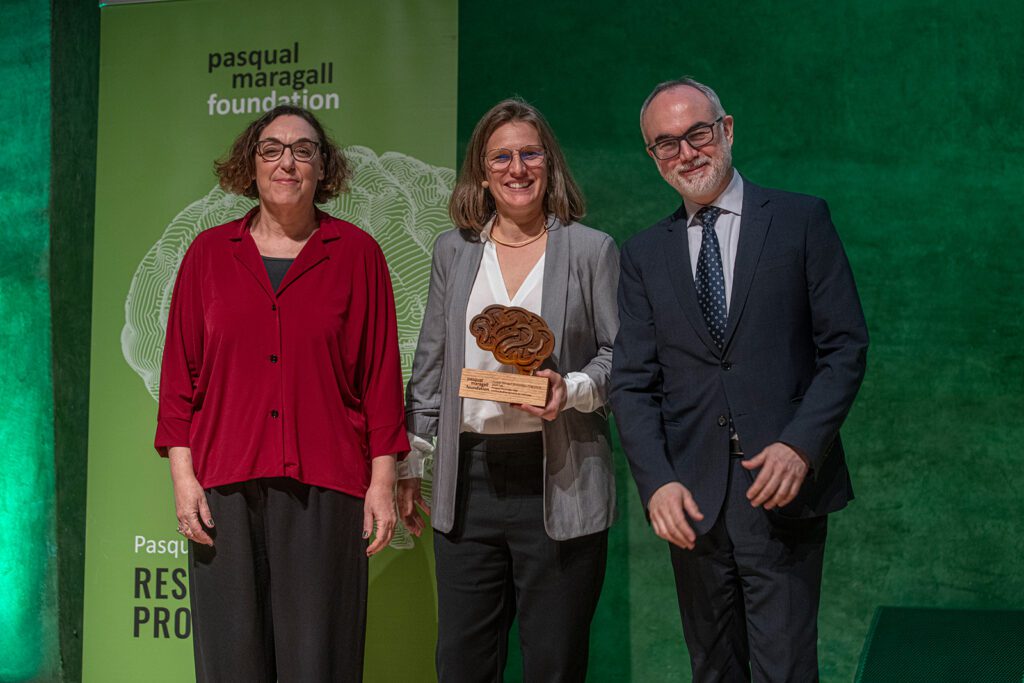
The Pasqual Maragall Foundation present yesterday one of the projects selected in the fourth edition of the Pasqual Maragall Researchers Programme (PMRP), the foundations’ research grant programme aimed at promoting innovative studies on Alzheimer’s and other age-related neurodegenerative diseases, at the Auditori L’Illa Diagonal in Barcelona.
The aim of the project is to generate new knowledge about the mechanisms that trigger the disease in its initial phases through complementary experimental models, with the goal of contributing to improving the prognosis and quality of life of those affected.
Amayra Hernández-Vega
In this edition, the grant has been awarded to the Dr. Amayra Hernández-Vega, a senior resercher in the Institute for Bioengineering of Catalonia (IBEC)’s Molecular Bionics group, for her project focused on studying the earliest stages of Alzheimer’s disease. The research analyses the initial changes in the tau protein, a key component of neuronal structure, as it begins to alter its behavior and form pathological aggregates, with the aim of identifying the mechanisms that trigger the disease and paving the way for future early intervention strategies before the appearance of clinical symptoms.
“The aim of the project is to generate new knowledge about the mechanisms that trigger the disease in its initial phases through complementary experimental models, with the goal of contributing to improving the prognosis and quality of life of those affected.”, said Dr. Hernández-Vega.
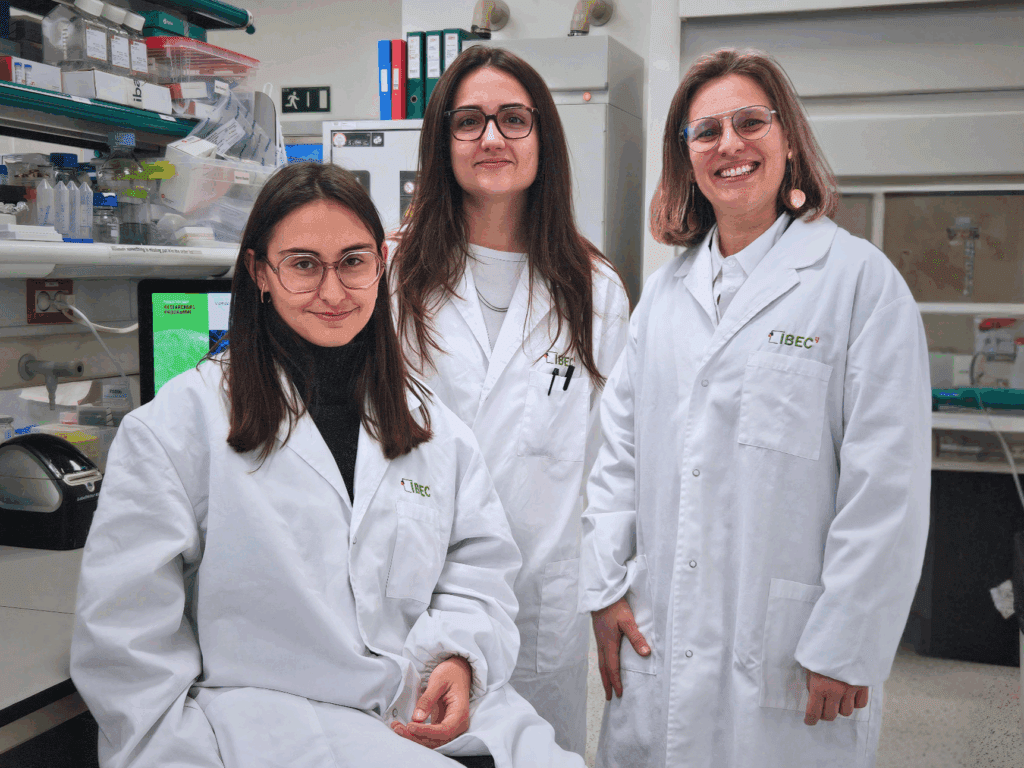
The project will be developed in collaboration with the Dr. Natalia Rodríguez-Muela, from the German Center for Neurodegenerative Diseases (DZNE), and will combine models in vitro and human models of familial Alzheimer’s to detect age-related factors and possible inhibitors that can slow down this pathological transition in the early stages of the disease.
During the grant presentation, Dr. Arcadi Navarro, director of the Pasqual Maragall Foundation highlighted that “the Foundation’s objective is to advance science, but also to strengthen science throughout the country, because we know we have the necessary talent, capacity, and experience. It is essential to nurture this talent, since the definitive solutions that will allow us to eradicate Alzheimer’s can only come from generating more and better research.”
In this fourth edition, co-financed by the Adey Foundation, we will allocate a total of 1.6 million euros to promote clinical or translational research projects focused on Alzheimer’s and other neurodegenerative diseases associated with aging.
The event featured an informative talk on sleep and brain health
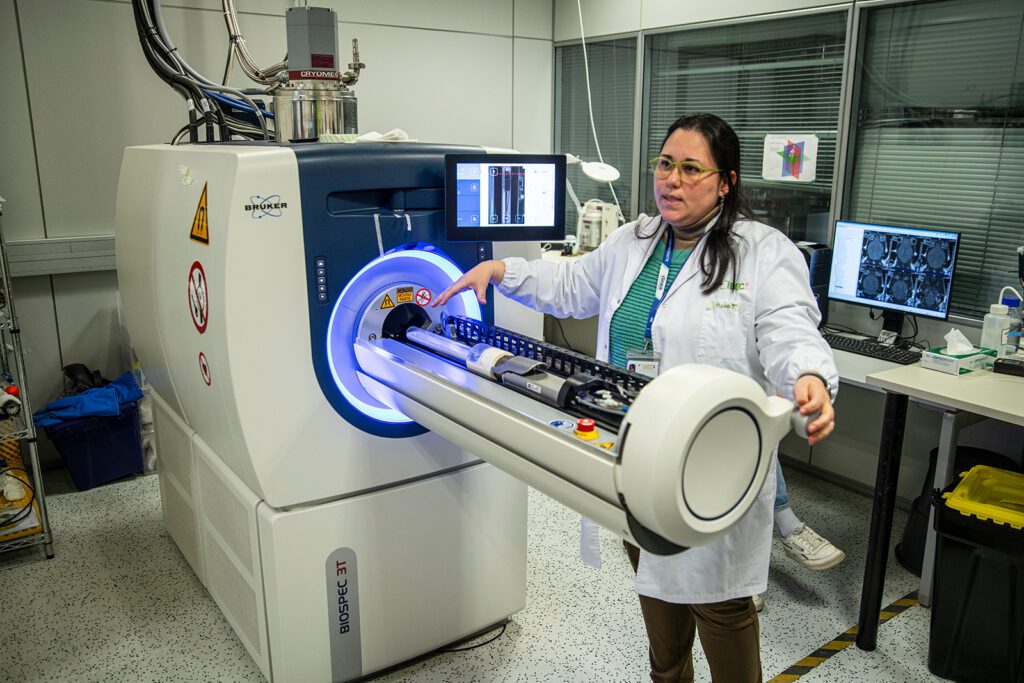
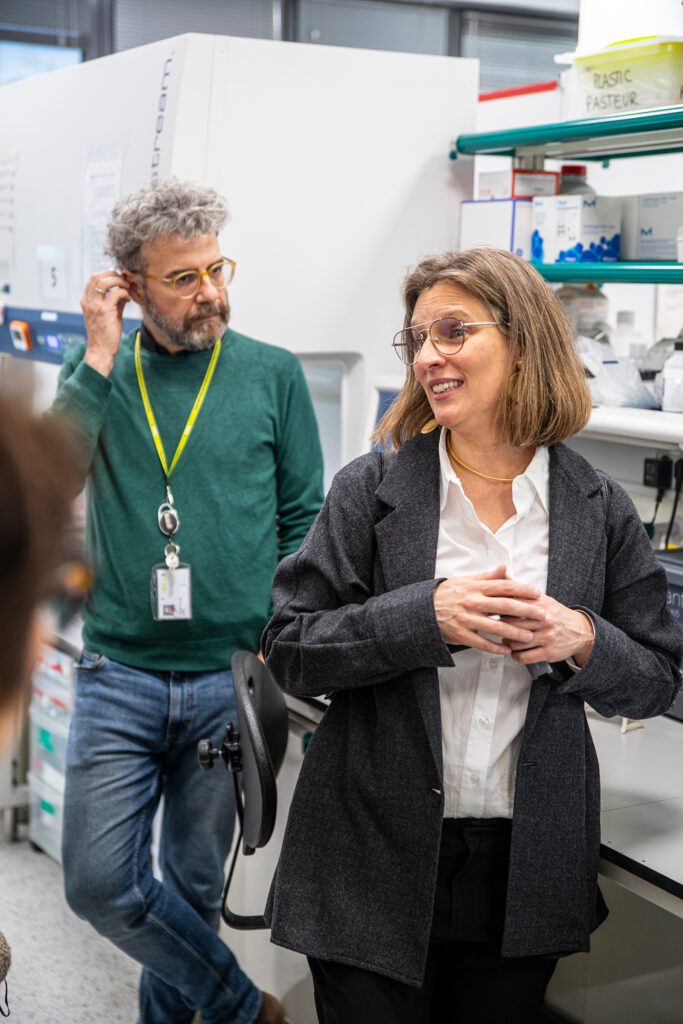
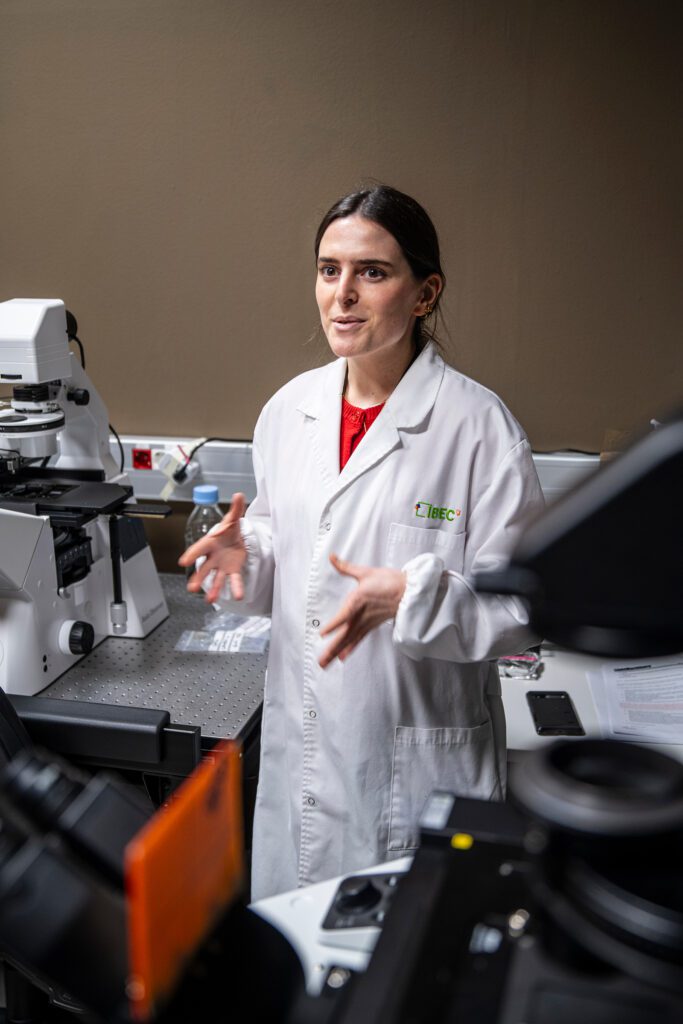
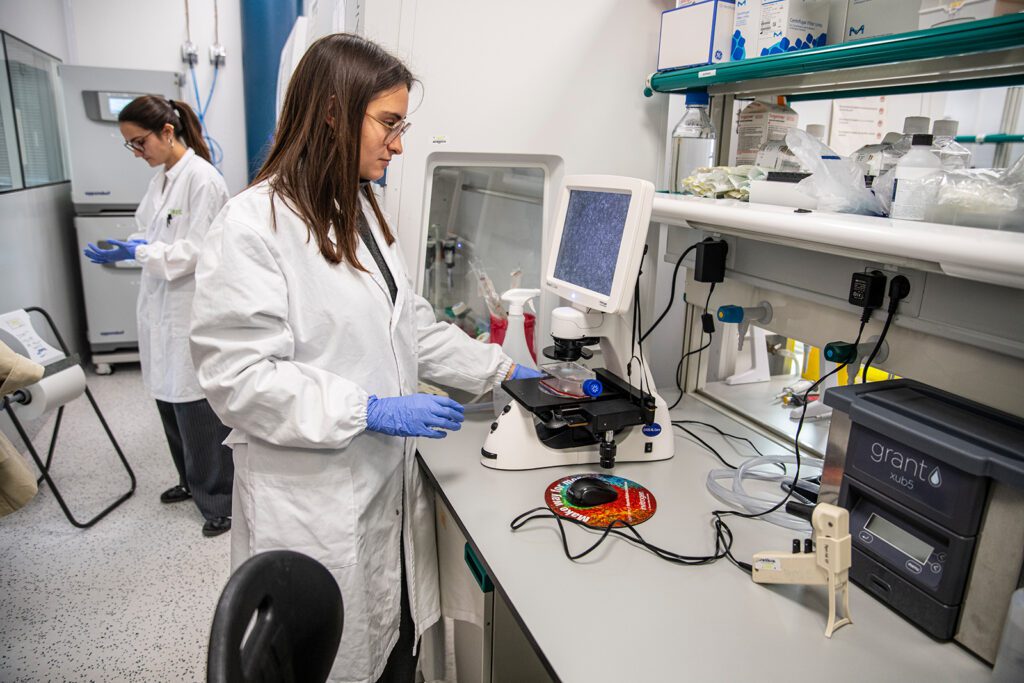
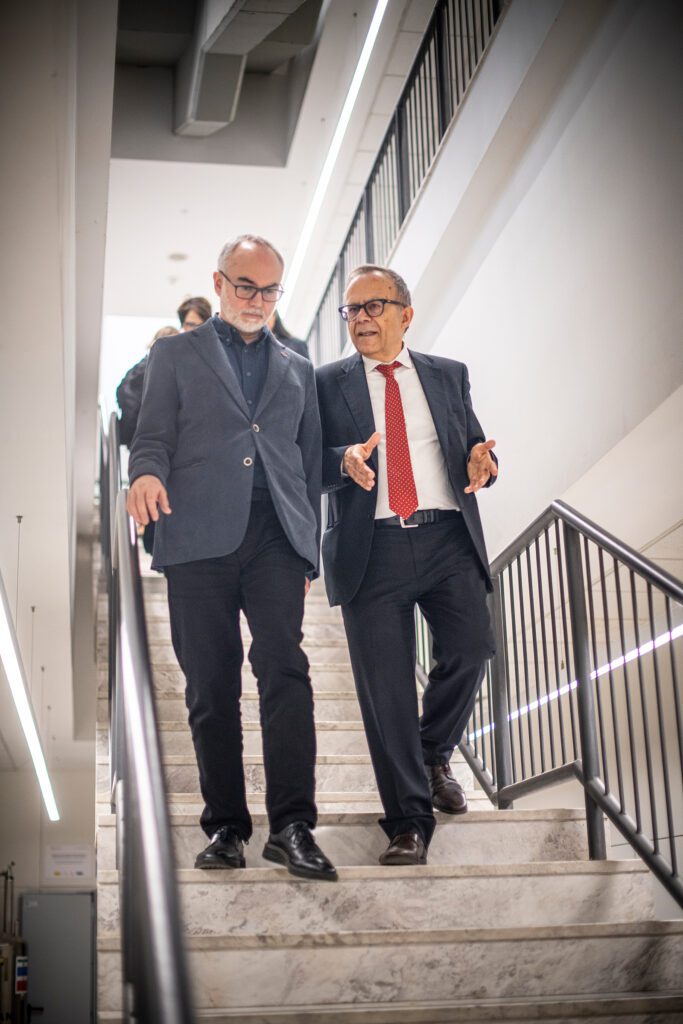
The day began with representatives of the Pasqual Maragall Foundation visiting the IBEC facilities in the morning. They were able to see the laboratories and meet the research team in person, as well as learning about the centre’s interdisciplinary approach.
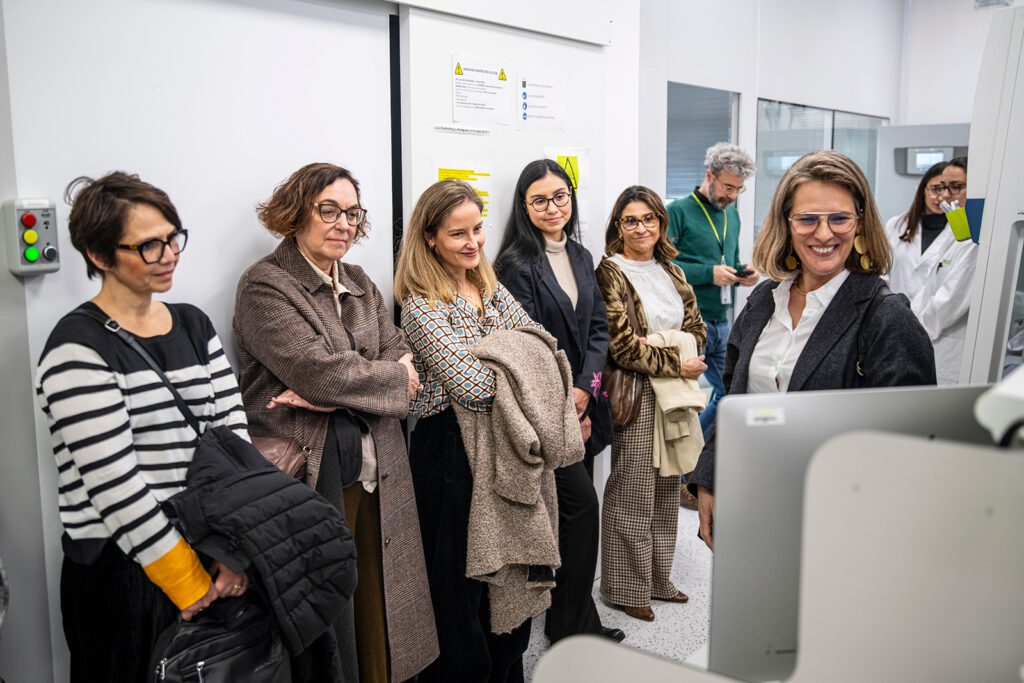
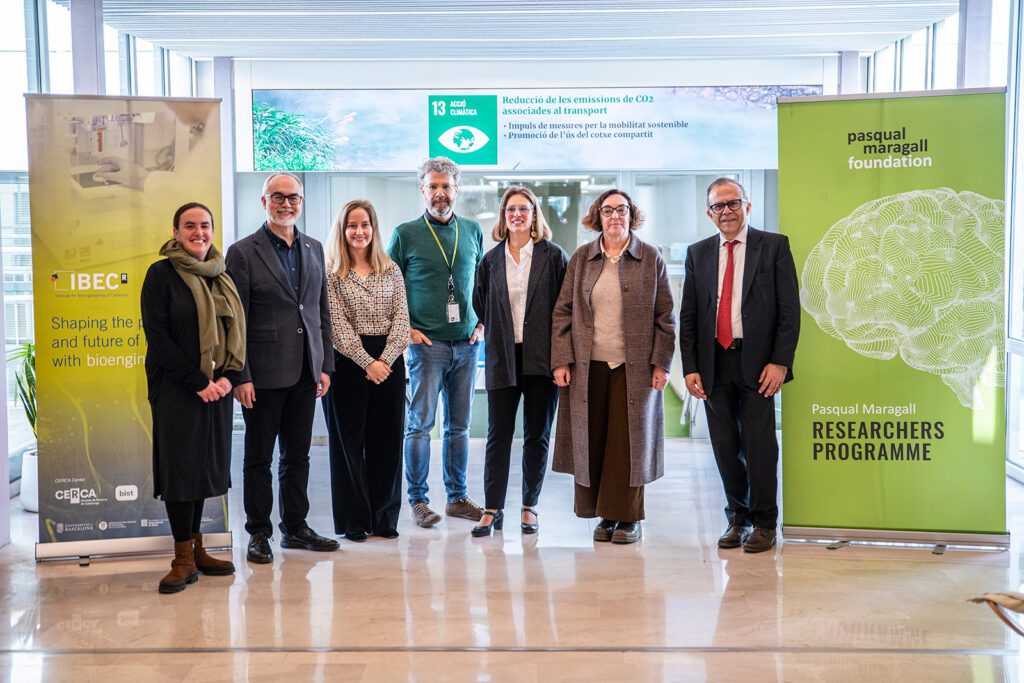
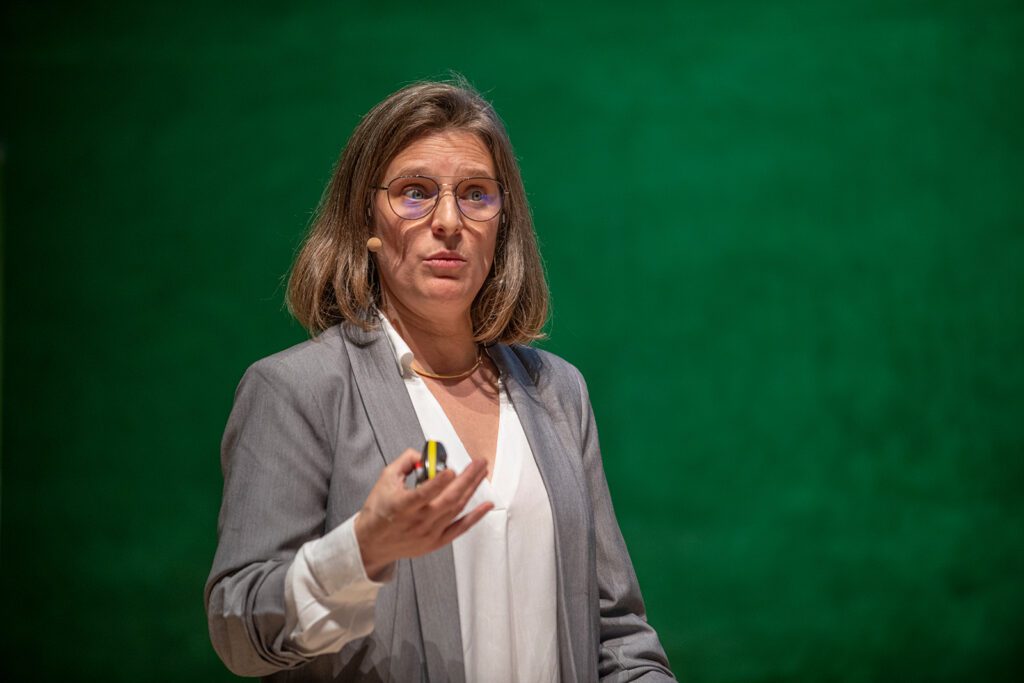
The award-winning project was presented that same afternoon, during an informative talk on sleep and brain health, entitled “Impact of sleep on brain health“, delivered by Dr. Ana Fernández Arcos, neurologist and medical coordinator of Clinical Operations and researcher in the Clinical Research Group and in Risk Factors for Neurodegenerative Diseases of the Barcelonaβeta Brain Research Center (BBRC), our research center.
“Insufficient or poor-quality sleep has a direct impact on cognitive function and can contribute to long-term brain decline, especially in people with risk factors associated with Alzheimer’s disease”, said Dr. Fernández Arcos.
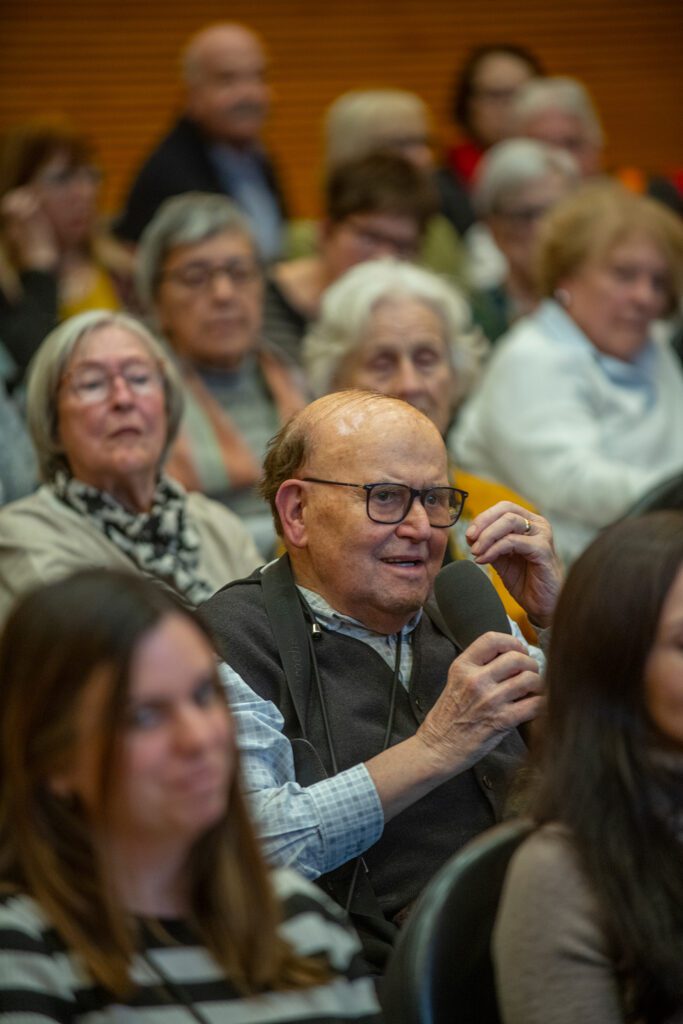
The session, which was attended by around 500 people, concluded with a question and answer period in which the audience could ask their questions, and with participation from the ambassadors of the Pasqual Maragall Foundation, Anna Ruiz and Jordi Guimerà, who have emphasised the importance of raising awareness and social consciousness about Alzheimer’s.

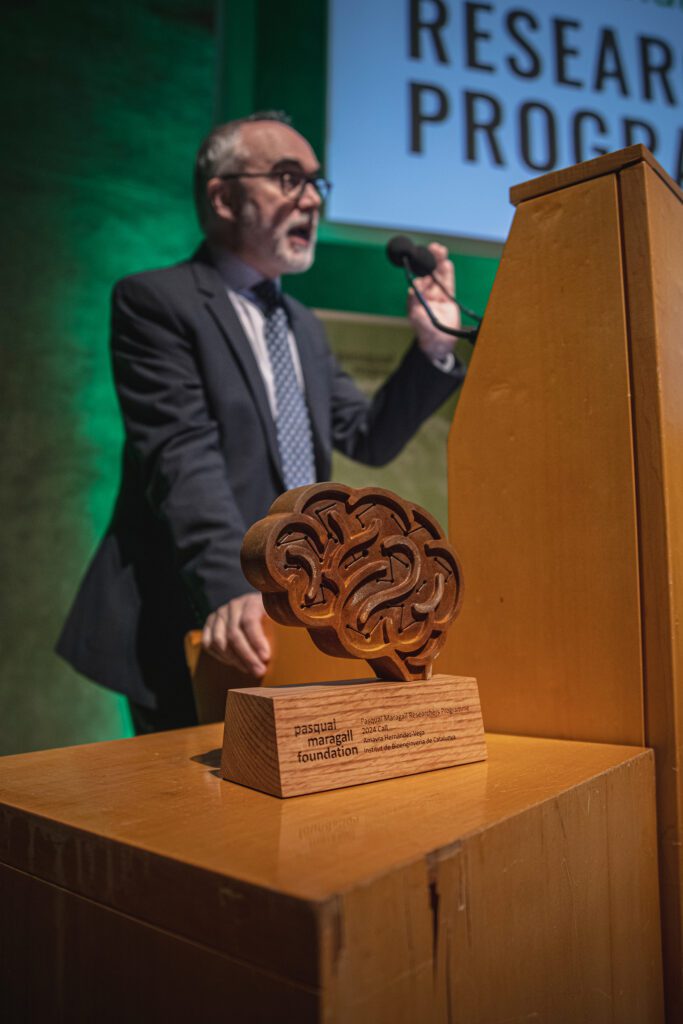


This news has been adapted from the Pasqual Maragall Foundation.


