
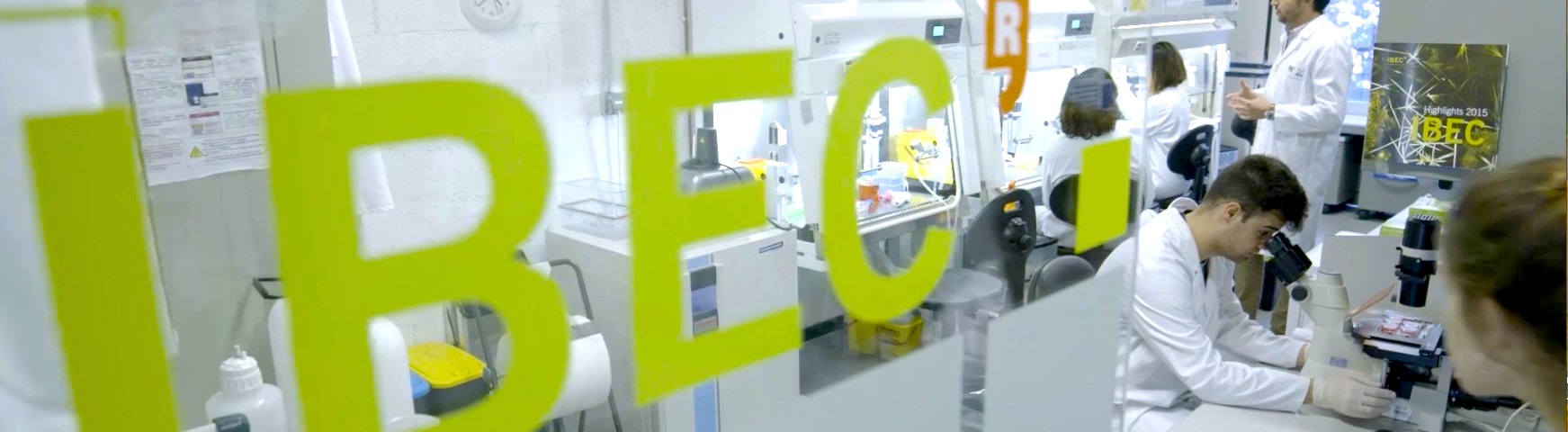
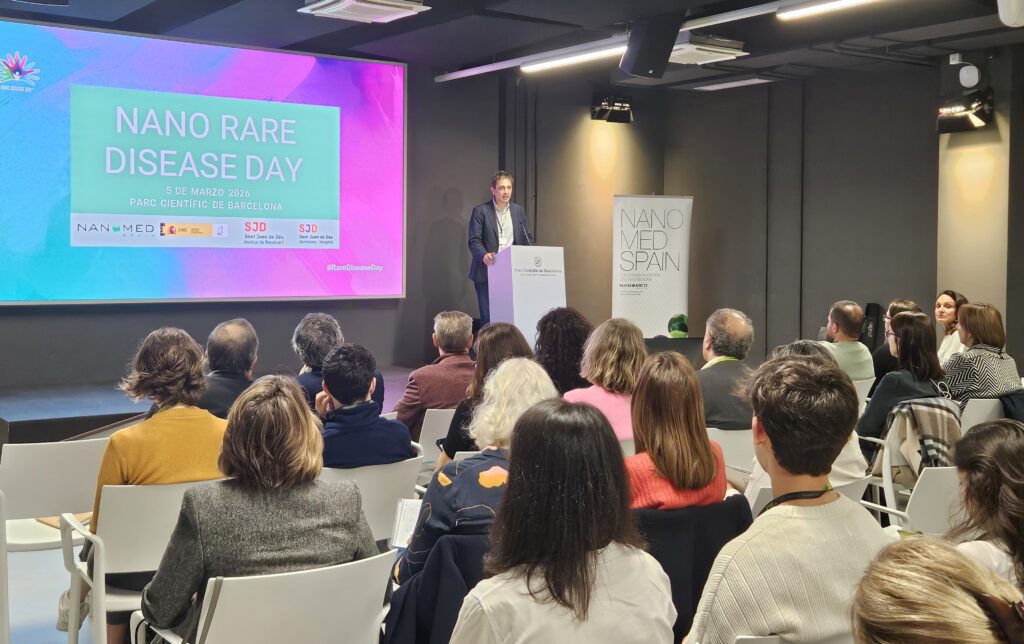
Experts in nanomedicine met yesterday, 5 March, to discuss the latest advances in the study, diagnosis and treatment of rare diseases. Nano Rare Diseases Day was organised once again to mark Rare Disease Day, celebrated on 28 February, and was promoted by NANOMED Spain, Sant Joan de Déu Hospital and the Sant Joan de Deu Research Institute, with the collaboration of the Institute for Bioengineering of Catalonia (IBEC).
Rare diseases are generally chronic, degenerative conditions that often appear in childhood. In Europe, a disease is considered rare when it affects fewer than five people per 10,000 inhabitants. It is estimated that there are between 5,000 and 7,000 such diseases, and nearly 4,000 still have no effective treatment. Overall, more than 300 million people worldwide live with one of these conditions.
This seventh edition of Nano Rare Diseases Day welcomed more than 70 attendees, including researchers, clinicians, industry representatives and patients. The meeting provided a forum for discussing the main challenges associated with these diseases and debating possible solutions. The presentations focused particularly on the role of nanomedicine in this field, highlighting its potential to improve early diagnosis and contribute to the development of new therapies.
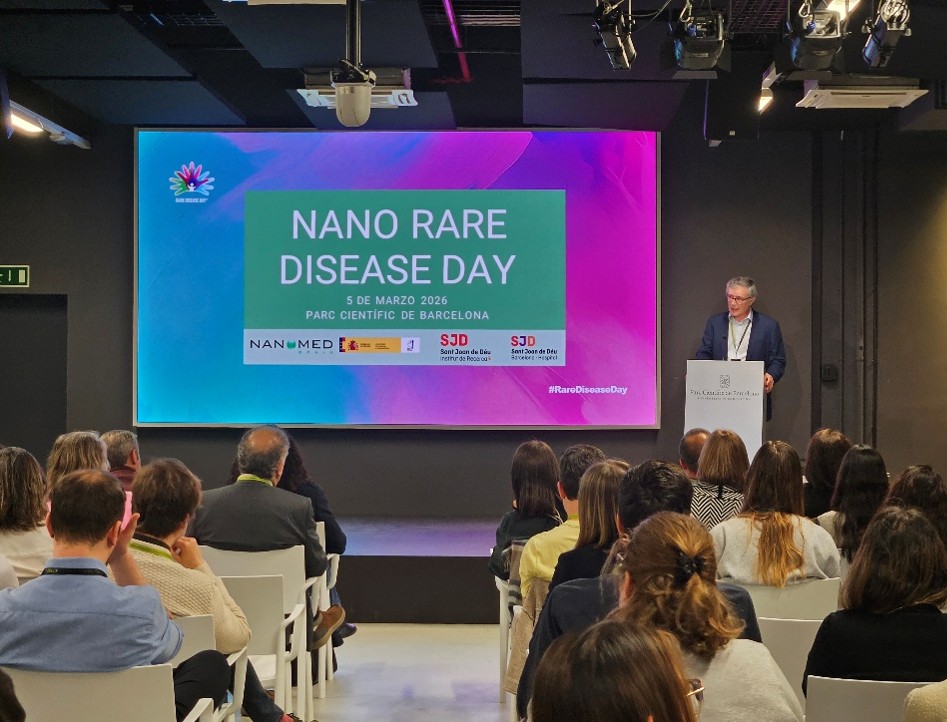
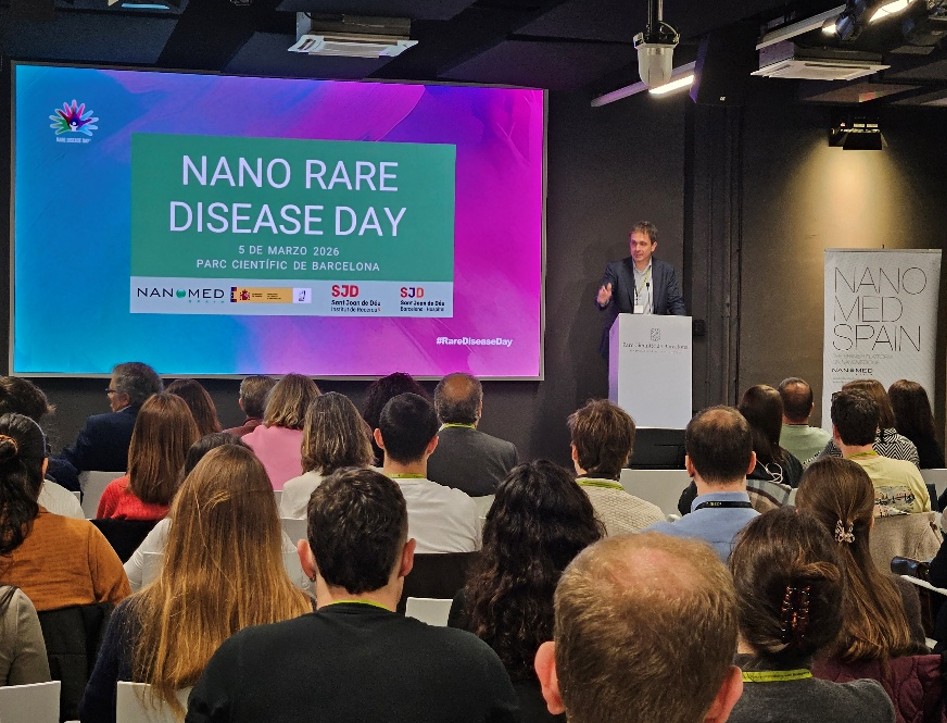
The conference was opened by Joan Comella, director of the Sant Joan de Déu Research Institute (SJD), and Manuel Salmerón, director of the Bioengineering Institute of Catalonia (IBEC). Both highlighted the strategic collaboration between the two institutions, whose goal is not simply to add projects, but to build a single joint project. In this regard, Nano Rare Diseases Day 2026 also served to mark the visible beginning of this alliance, which places patients and their families at the centre of priorities. In addition, both directors agreed that the union between nanomedicine and bioengineering opens up opportunities for IBEC and Sant Joan de Déu to share spaces, knowledge and projects.
In his speech, Comella stressed the importance of developing new research approaches that integrate different levels of biomedical knowledge: “We need functional bioengineering models that connect the different aspects of the disease, and, above all, that are linked to patients and their families. In this context, the collaboration between IBEC and Sant Joan de Déu can generate real advances and contribute to improving patients’ quality of life.‘ Salmerón also highlighted the potential of the collaboration between the two institutions to promote new therapeutic strategies: ’This collaboration is particularly exciting because it will enable us to advance towards the treatment and cure of rare diseases through the combination of nanomedicine and bioengineering.”
Next, there were presentations of scientific talks focusing on the latest advances in the field of rare diseases.
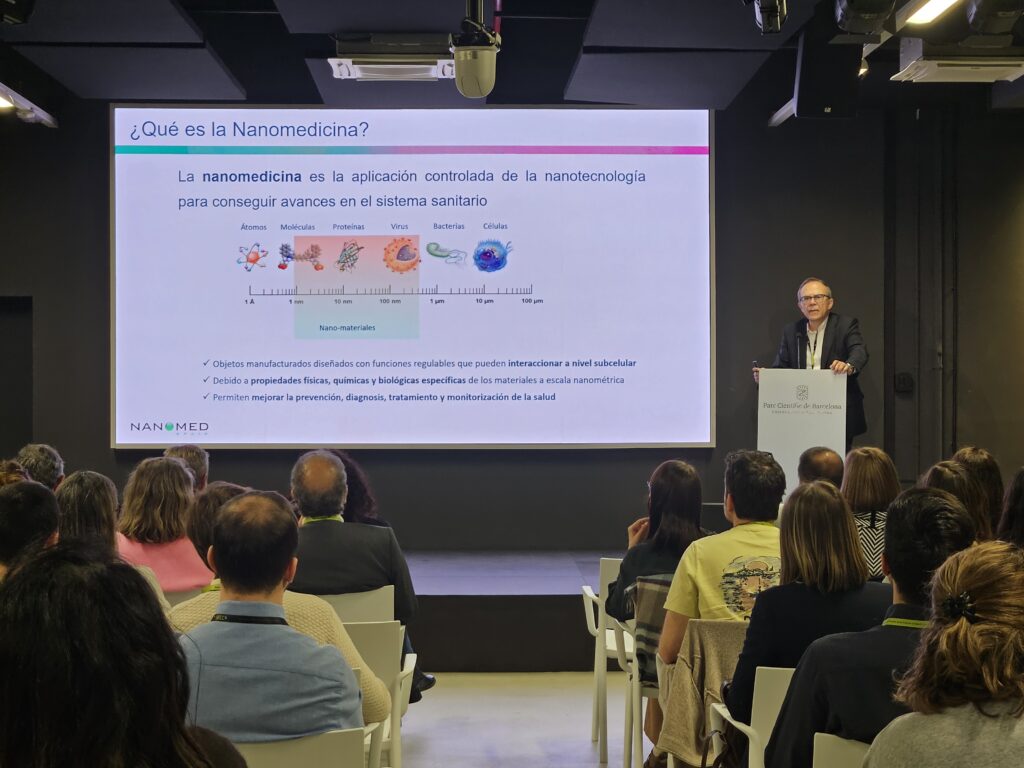
Josep Samitier, scientific coordinator of Nanomed Spain, reviewed the history of nanomedicine and the latest advances that have improved the diagnosis and treatment of certain diseases, highlighting its significant scientific development over the last 30 years. Specifically, Samitier highlighted the fundamental role of nanomedicine during the COVID-19 pandemic with RNA vaccines, which were used on a massive scale for the first time in history, demonstrating their safety and reliability. He also mentioned the role of Nanomed Spain as a valuable tool at the Spanish level. With more than 190 institutions, Nanomed Spain aims to promote dialogue and synergies between research centres, hospitals, companies and patients, as well as government bodies, in order to bring advances in nanomedicine to society.
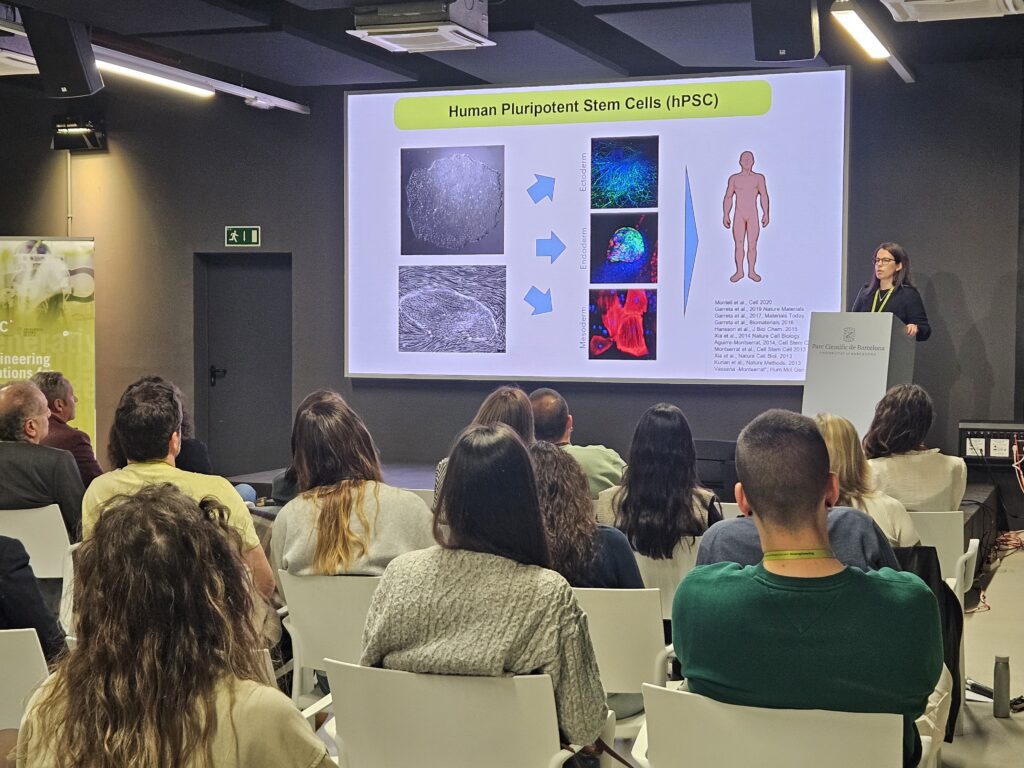
Elena Garreta, senior researcher at IBEC and coordinator of the ISCIII Biobanks and Biomodel Platform, presented pluripotent cells and organoids as tools for understanding how diseases develop and for promoting methodologies for producing biomodels that simulate the organ of origin. She also mentioned their great potential for drug screening and, in the future, for organ regeneration.
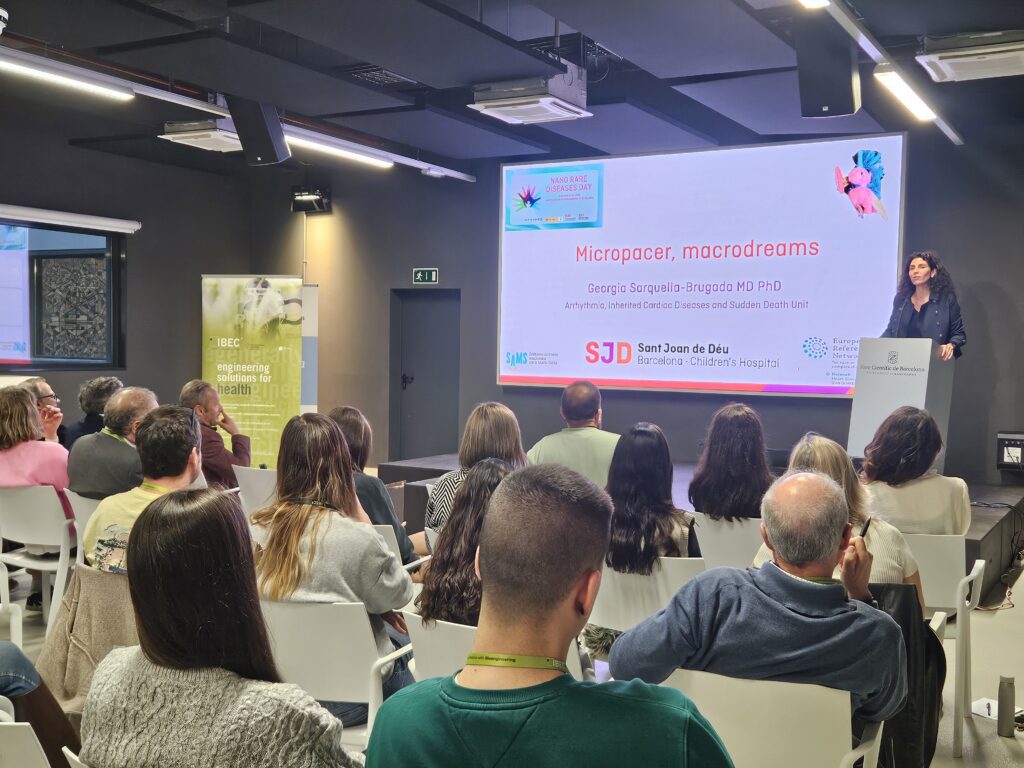
Georgia Sarquella, from SJD, explained the extraordinary results in the development of pacemakers adapted to babies and children, mentioning the difficulties they face daily in providing children with the solutions they need, adapted to their age and physiology.
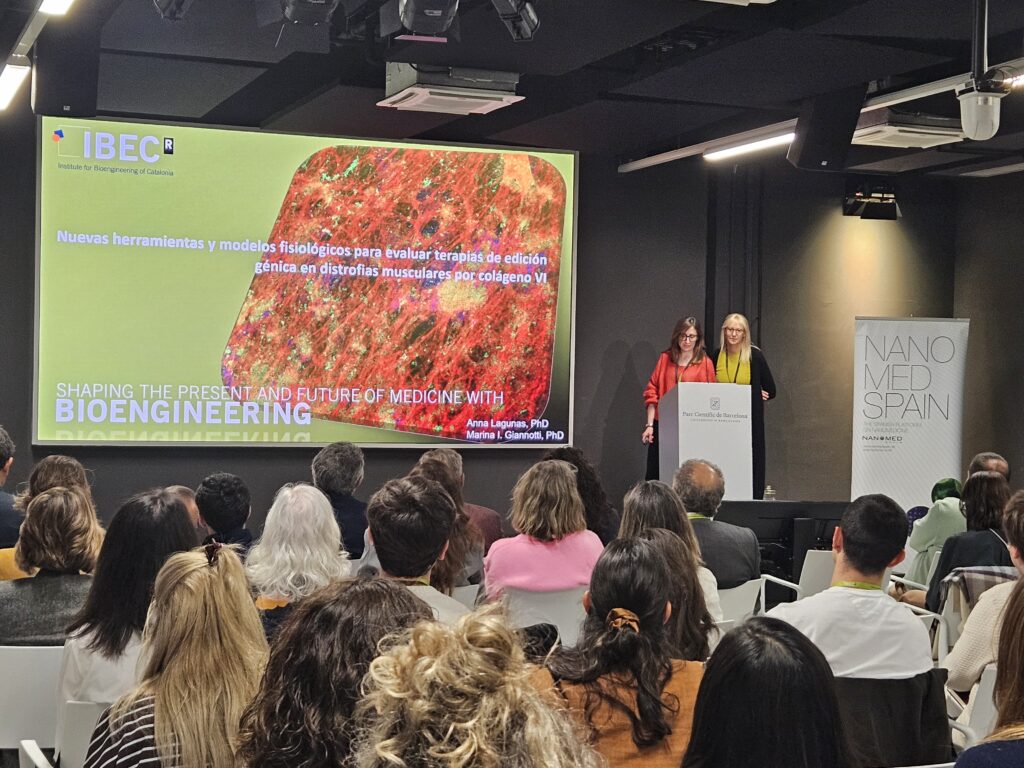
Anna Lagunas and Marina Inés Gianotti, from IBEC, highlighted new strategies and physiological models for evaluating gene editing therapies in collagen VI deficiency muscular dystrophies.
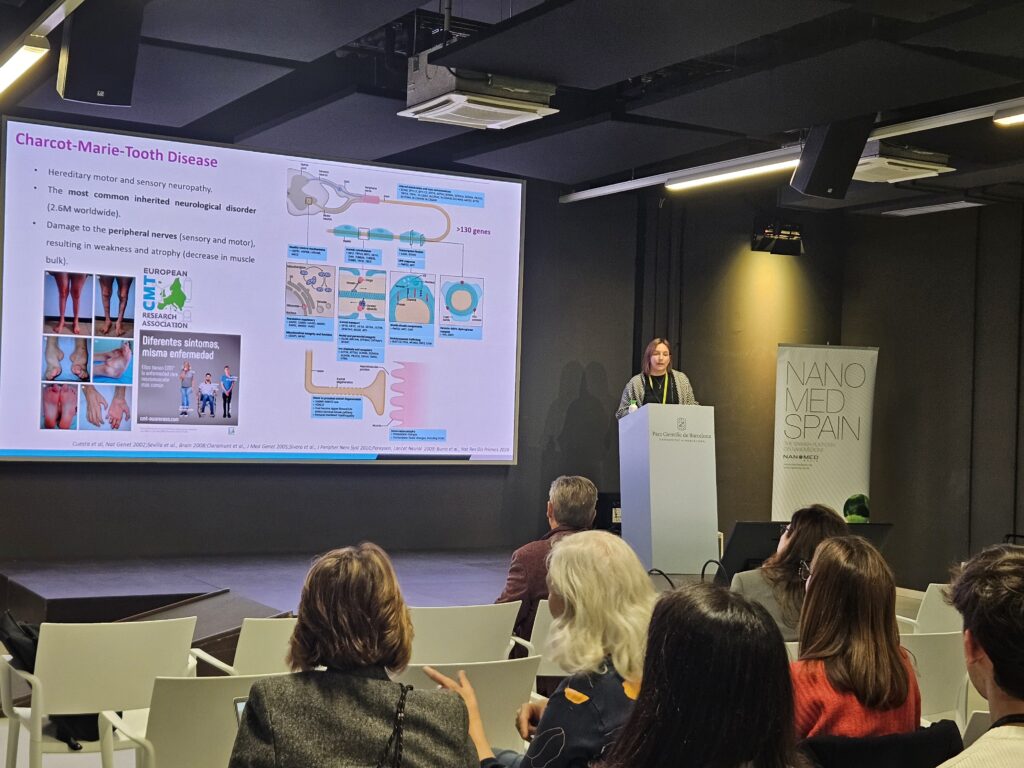
Lara Cantero, from SJD, focused her presentation on Charcot-Marie Tooth disease, a group of hereditary and very aggressive neurological disorders that damage the peripheral nerves, causing muscle weakness, atrophy and loss of sensitivity. Her study focuses on gaining a better understanding of the sites of contact between membranes associated with this disease in order to identify possible therapeutic targets.
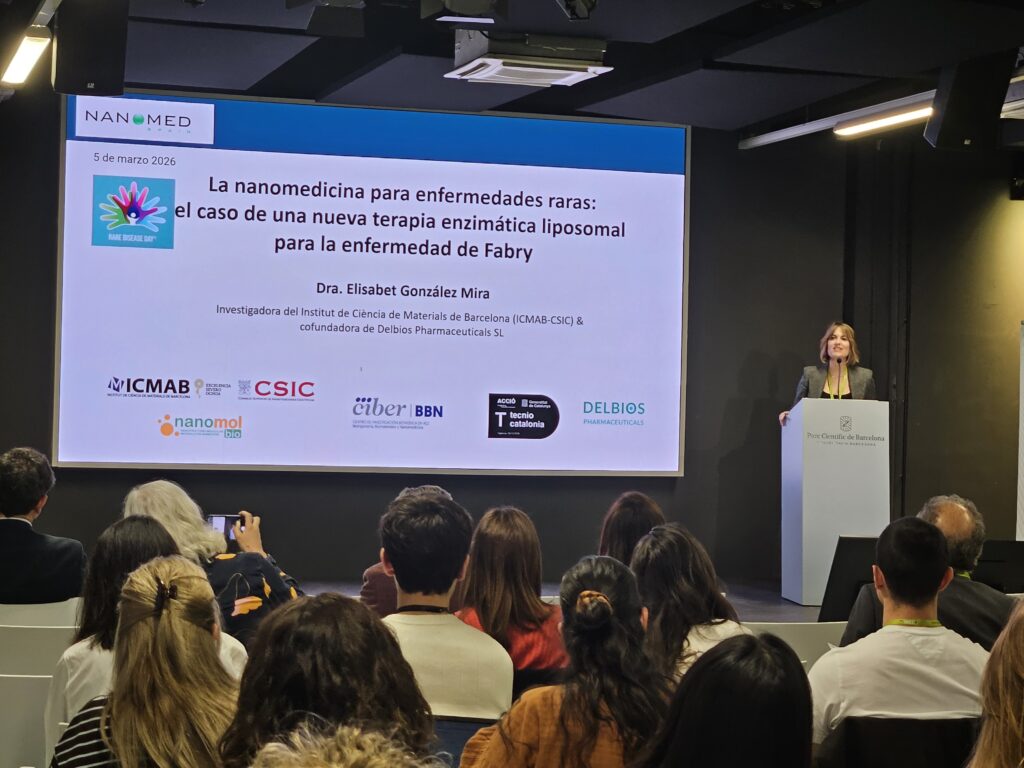
Elisabet Gonzalez from ICMAB-CSIC and Delbios Pharmaceuticals presented the advances of a new liposomal enzyme therapy for Fabry disease. Specifically, she described ‘nanoGLA’, a functionalised liposome containing a recombinant human protein. This new nanotechnology approach is presented as an alternative to the current treatment, which is non-specific and inefficient, and allows the enzyme’s useful life to be increased and directed to the targets of interest within the body.
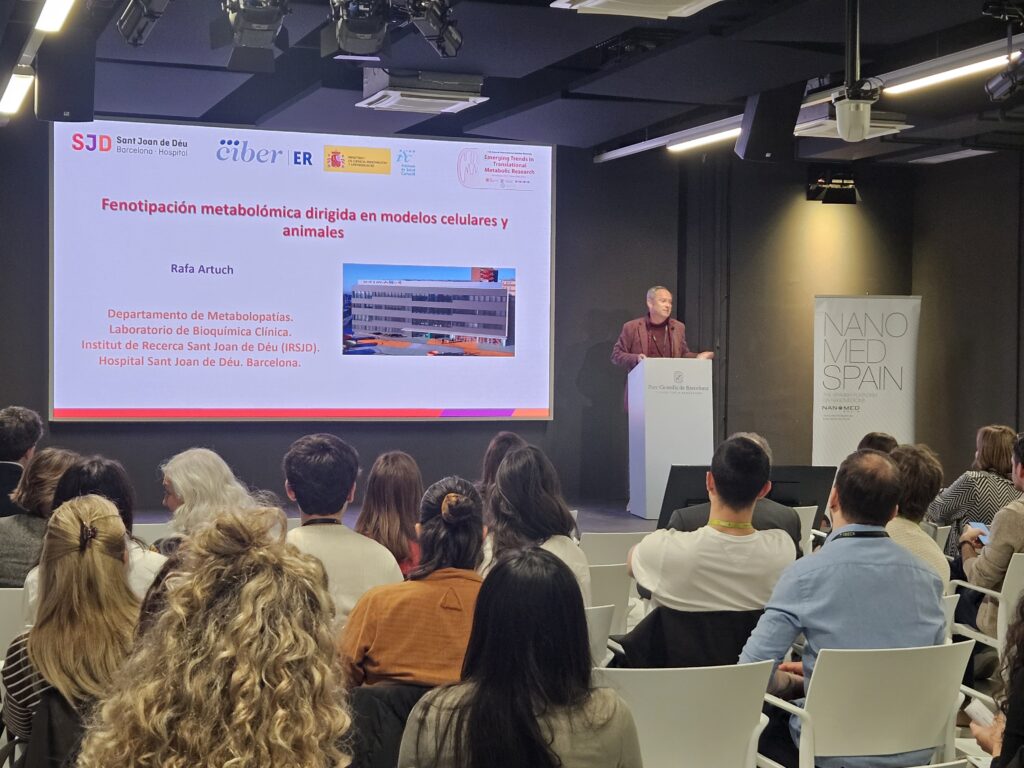
Rafael Artuch from SJD explained how metabolism phenotyping in animal and cell models can help to better understand certain diseases and identify potential targets for treatment.
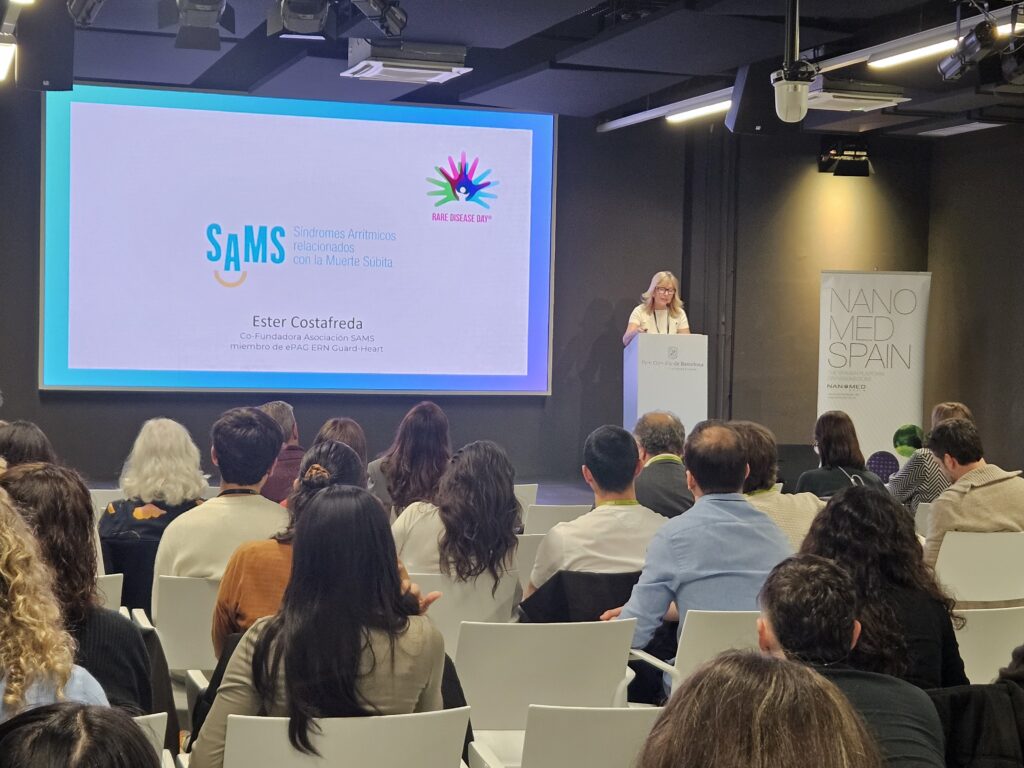
The conference concluded with a presentation by Ester Costafreda from the SAMS Association (Sudden Arrhythmia Syndrome). Her presentation highlighted the perspective of patients and their families, and the importance of working together. Costafreda placed particular emphasis on the importance of integrating patients’ experiences with science and understanding their concerns and expectations to better guide research and find solutions tailored to real needs, and in less time.
Events such as Nano Rare Diseases Day help raise awareness of rare diseases and promote research aimed at developing new diagnostic strategies and therapies. In this context, nanomedicine is emerging as a tool with remarkable potential for addressing some of the challenges associated with these diseases. Collaborations such as that between the Sant Joan de Déu Research Institute and IBEC reflect the importance of strengthening synergies between basic research and clinical practice to achieve improvements in diagnosis and the design of more specific treatments. We will only be able to transfer the results to the healthcare sector and society through partnerships such as this, with close collaboration with the industrial sector and patient associations.


