DONATE

An unprecedented mutation map reveals how amylin mutations influence type 2 diabetes

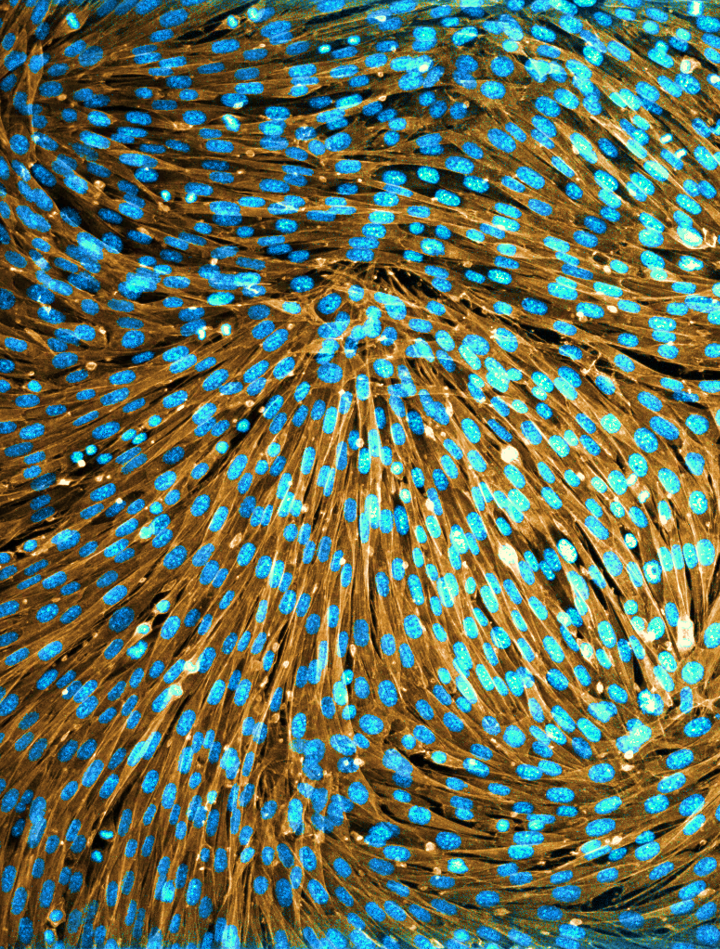
A study by the Institute for Bioengineering of Catalonia (IBEC) has created a mutational map of the hormone amylin, the aggregation of which can damage pancreatic cells and lead to type 2 diabetes. The team analysed 1,916 variants of the protein and compared the results of this mutational map with genetic and clinical data from 500,000 individuals. The study, published in Nature Communications, sheds new light on the role of genetics in diabetes and could lead to the development of safer and more effective drugs.

A new generation of therapeutic nanorobots set to transform the medicine of the future

Samuel Sánchez

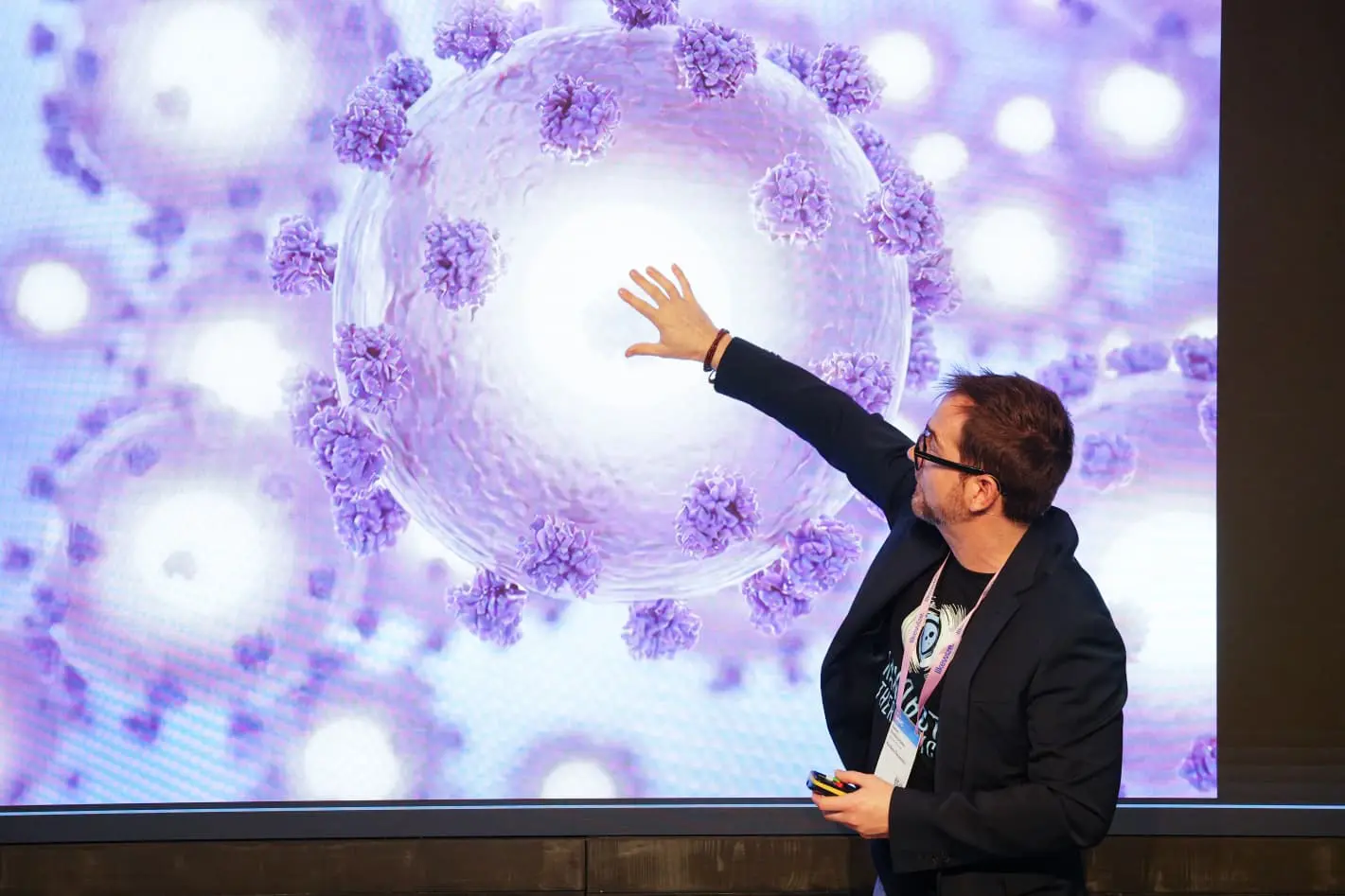
Research carried out at IBEC by Samuel Sánchez and his team has led to the development of a new generation of therapeutic nanorobots. These nanorobots can move through the body, reach tumours and deliver drugs with great precision. These nanorobots have already reduced bladder tumours by up to 90% in preclinical models and are being investigated for use in treating other diseases. They were presented to the public at MWC26 through an immersive experience demonstrating how this technology could transform future treatments.

IBEC participates in the first Workplace Travel Plan launched by the Barcelona Science Park to promote more sustainable mobility

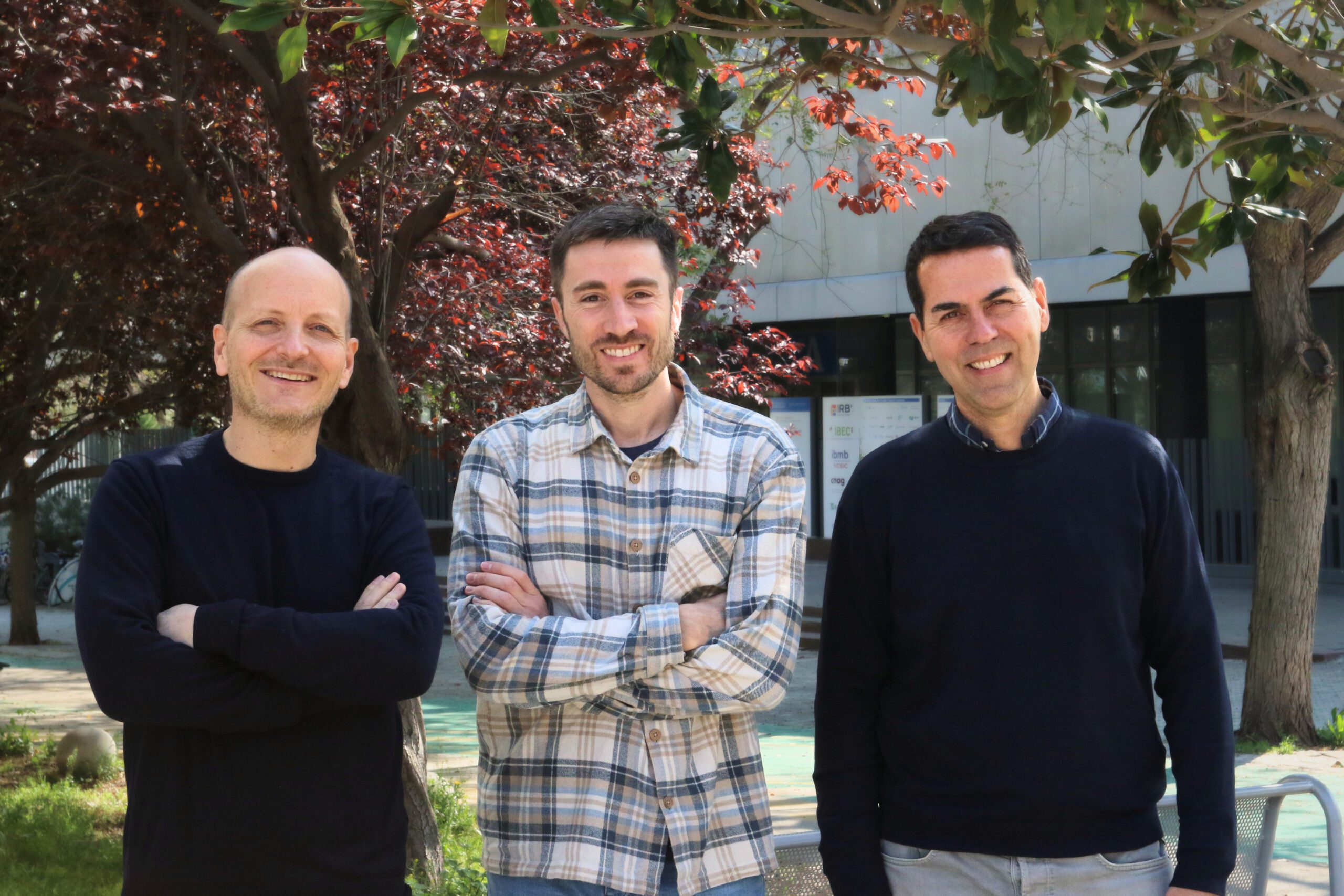
The University of Barcelona Science Park (PCB-UB) has launched its first Workplace Travel Plan (PDE), a joint initiative by the Institute for Bioengineering of Catalonia (IBEC), the Institute for Research in Biomedicine (IRB Barcelona), Biocat, the Scientific and Technological Centers of the UB (CCiTUB), and the PCB itself, aimed at improving commuting mobility and reducing the environmental impact of daily travel.

Barcelona hosts the fourth edition of the EMBL-IBEC Conference

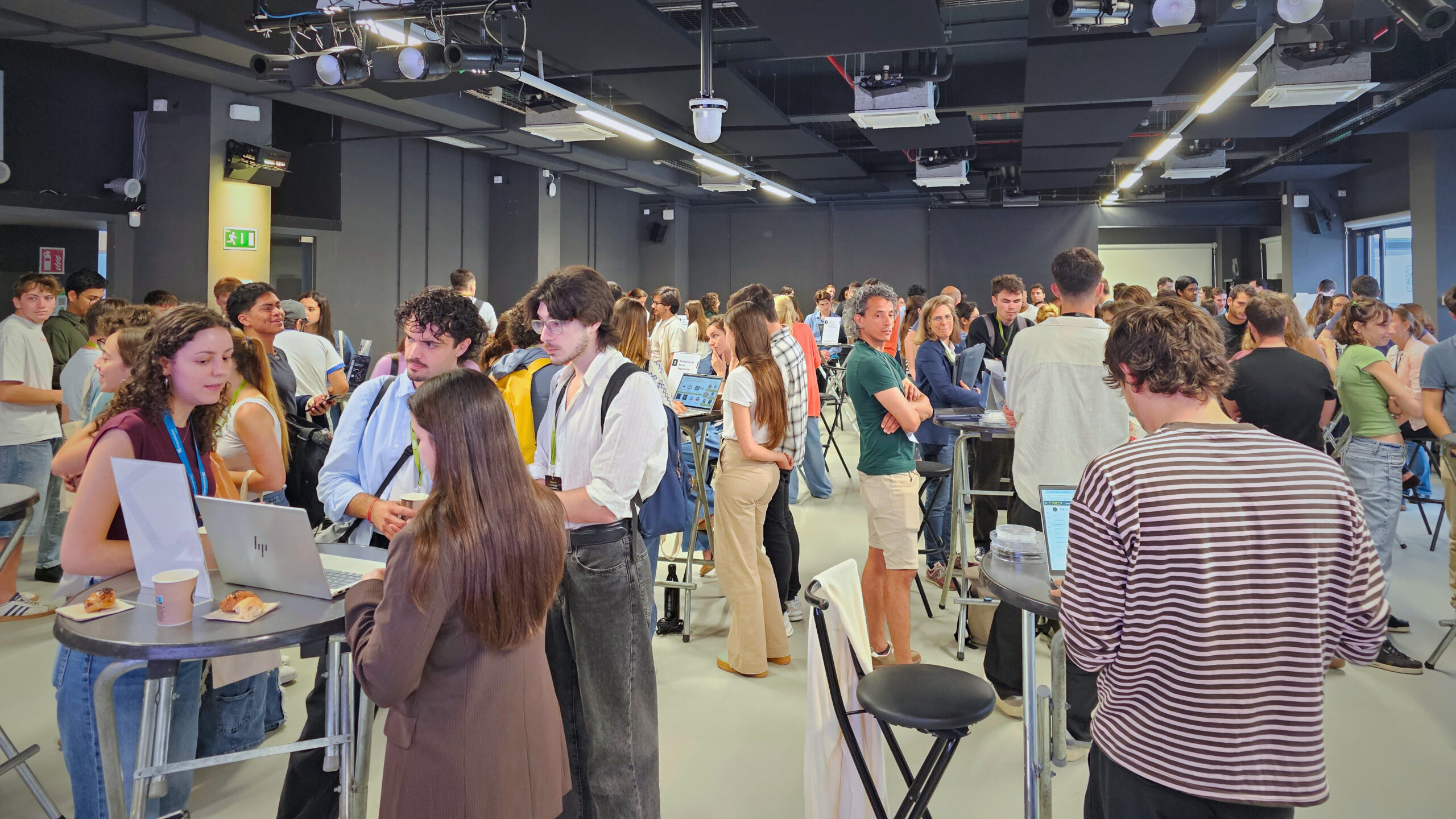
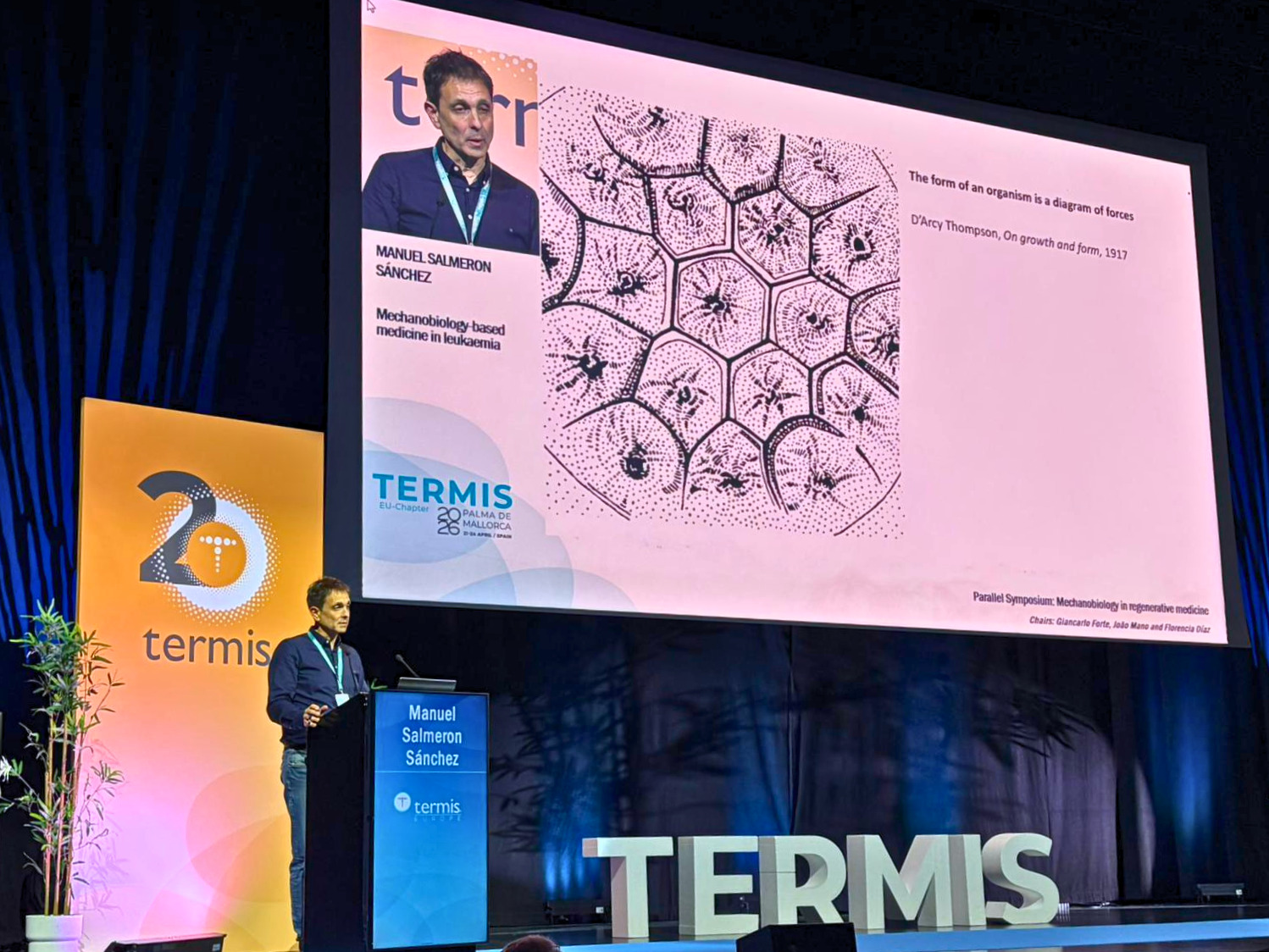
The fourth EMBL-IBEC Conference, organised by the Institute for Bioengineering of Catalonia (IBEC) and the European Molecular Biology Laboratory (EMBL), focused on disease modelling, developmental biology, and regenerative medicine. The event brought around 130 international bioengineering experts together at the PRBB in Barcelona this week.

IBEC welcomes a new international cohort of doctoral students in collaboration with hospitals and centres of excellence

The Institute for Bioengineering of Catalonia (IBEC) is pleased to welcome new international students to its PhD programme. This initiative offers excellent training and research opportunities in bioengineering, as well as strong collaboration with leading hospitals and institutions.

IBEC showcases its leadership in biomedical innovation at MWC26 with three disruptive projects

Last week, Barcelona played host to MWC26, the world’s premier technology and connectivity event. The Institute for Bioengineering of Catalonia was in attendance, showcasing some of its spin-offs and state-of-the-art biomedical technologies, including: Nanobots Therapeutics, Lumiris Spectral Solutions, and Drug4Sight.

BIST calls for reforms to turn scientific discoveries into European industry

The BIST Forum 2026 brought together scientists and representatives from academic, economic and social institutions to discuss how frontier research can help build Europe’s industries of the future. The event also announced the recipients of the BIST To the Mothers of Science and Ignite programmes.

LA VANGUARDIA: Nanobots para redefinir la medicina del mañana

En el stand de Mobile World Capital Barcelona, una experiencia desarrollada conjuntamente con Nanobots Therapeutics muestra el potencial de los nanobots terapéuticos como nueva herramienta para el tratamiento de enfermedades como el cáncer. La empresa es una derivada del Institut de Bioenginyeria de Catalunya y de ICREA, y representa un paso adelante en la transferencia de investigación hacia la práctica clínica.