LA VANGUARDIA: ¿Cómo mejorar el desarrollo de fármacos que lleguen al cerebro?
El IBEC diseña un chip que simula la barrera hematoencefálica.
The Institute for Bioengineering of Catalonia (IBEC) and the Spanish Society of Regenerative Medicine and Tissue Engineering (SEMIT) organized the inaugural SEMIT 2025 Congress. The event gathered leading national and international experts in regenerative medicine and tissue engineering, creating a unique platform for knowledge exchange among researchers, clinicians, and industry.
A study led by the Institute for Bioengineering of Catalonia (IBEC) has revealed that protons and reactive oxygen species mediate long-distance charge transport in the mitochondrial respiratory chain — a fundamental process in cellular respiration in organisms. Understanding these mechanisms is crucial, given that mitochondria are the powerhouses of all cells and alterations to them are associated with numerous diseases.
The presentation ceremony for the Solidarity Nougat Grants by RAC1 and Torrons Vicens took place yesterday. In this second edition, the Institute for Bioengineering of Catalonia (IBEC) has been selected to co-lead two of the four winning projects. The 2025 call aims to stimulate research and innovation in rare paediatric diseases at the SJD Barcelona Children’s Hospital, as part of the ‘ÚNICAS’ project.
A study led by the CIBER Diabetes and Associated Metabolic Diseases Area (CIBERDEM), in collaboration with the Institute for Bioengineering of Catalonia (IBEC), has shown that high-fat diets alter gene expression in key tissues for metabolic control in different ways depending on sex. These results provide a new perspective on how obesity affects people differently depending on their sex.
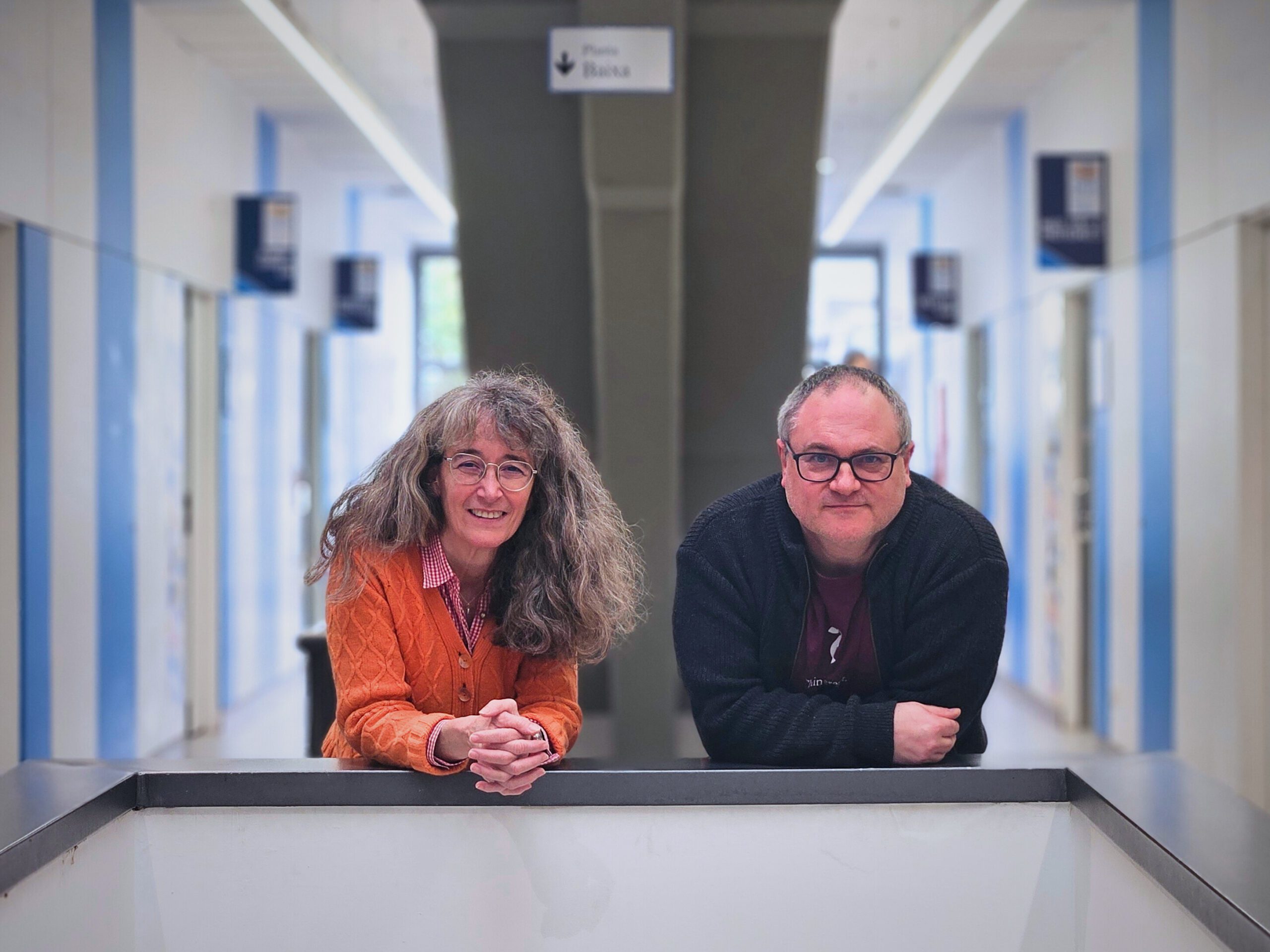
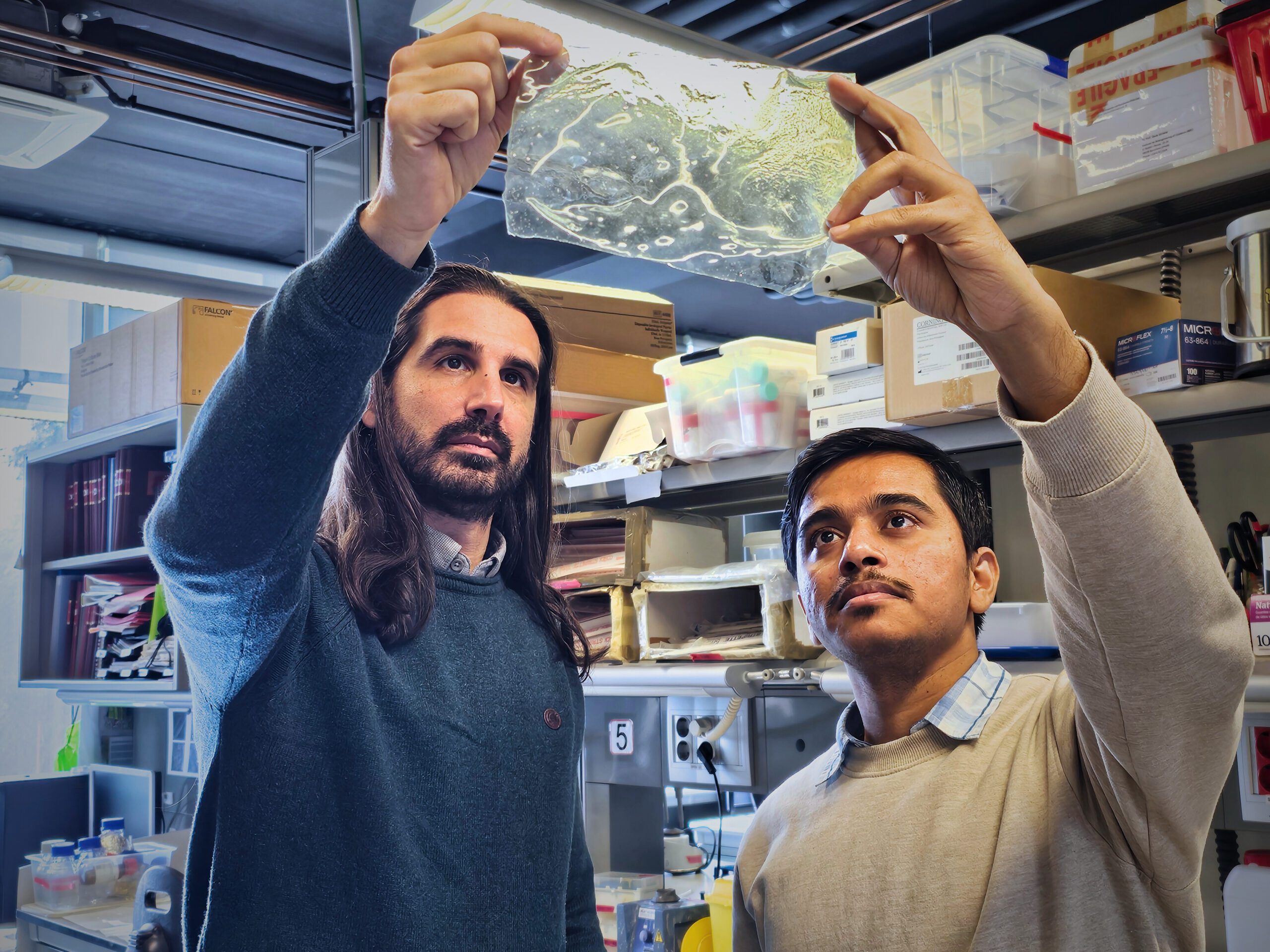
Anna Lagunas and Daniel González-Carter, who are both senior researchers at the Institute of Bioengineering of Catalonia (IBEC), will be leading these projects as part of the 2025 edition of the programme. This initiative by the “la Caixa” Foundation aims to accelerate the commercialisation of biomedical innovations to make them available to patients who need them more quickly. The two IBEC projects focus on treating diseases that affect the brain.
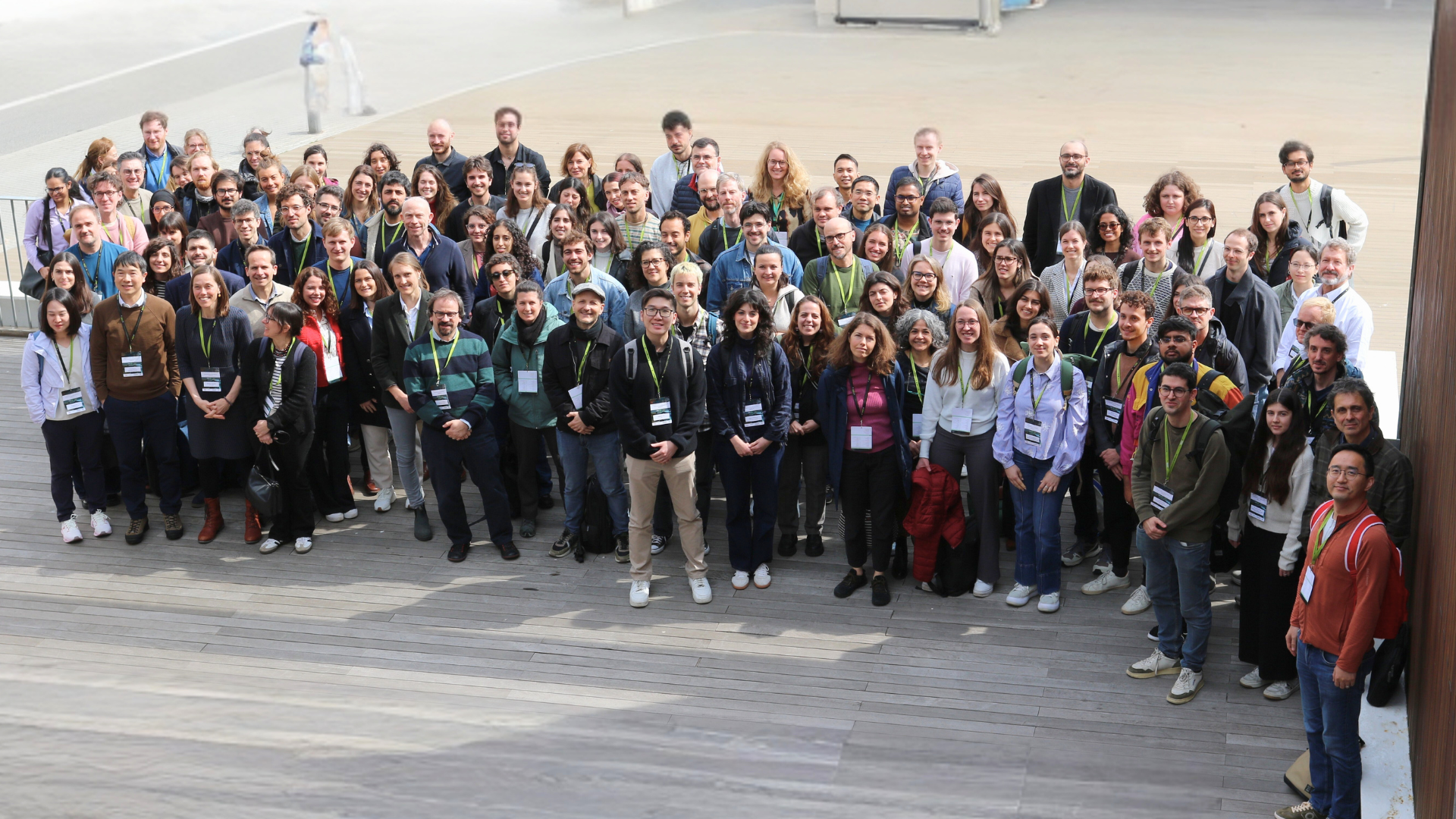
Today took place the Forum on Next-generation Bioengineering organized by the Institute for Bioengineering of Catalonia (IBEC) and Ulsan National Institute of Science & Technology (UNIST) in South Korea. The event highlighted cutting-edge research in bioengineering and reinforced the collaborative ties between the two institutions.
Today, the Institute for Bioengineering of Catalonia (IBEC) and the European Molecular Biology Laboratory (EMBL) held a matchmaking workshop. The event brought together leading researchers from both centres to encourage the formation of new connections and promote scientific dialogue.
Researchers at the Soft Robotics Lab at ETH Zurich in collaboration with the Institute for Bioengineering of Catalonia have developed a biohybrid system that mimics the biological interface between bones and muscles, enabling improved force transmission. This technology could be applied not only in robotics but also in the development of medical implants.
Un vídeo hecho en Barcelona documenta por primera vez en un modelo artificial de matriz la implantación, momento crítico y gran desconocido del embarazo humano.