
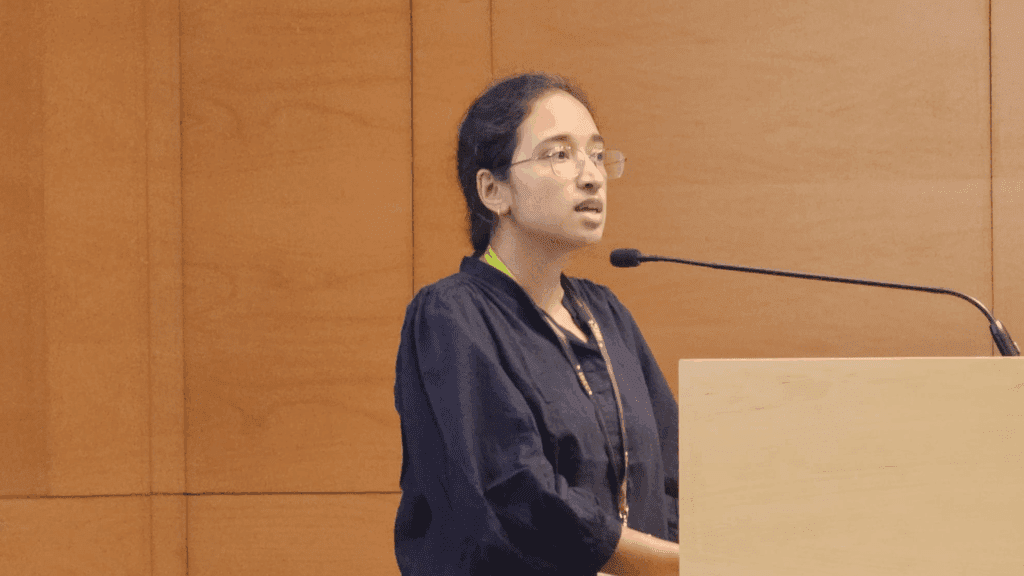
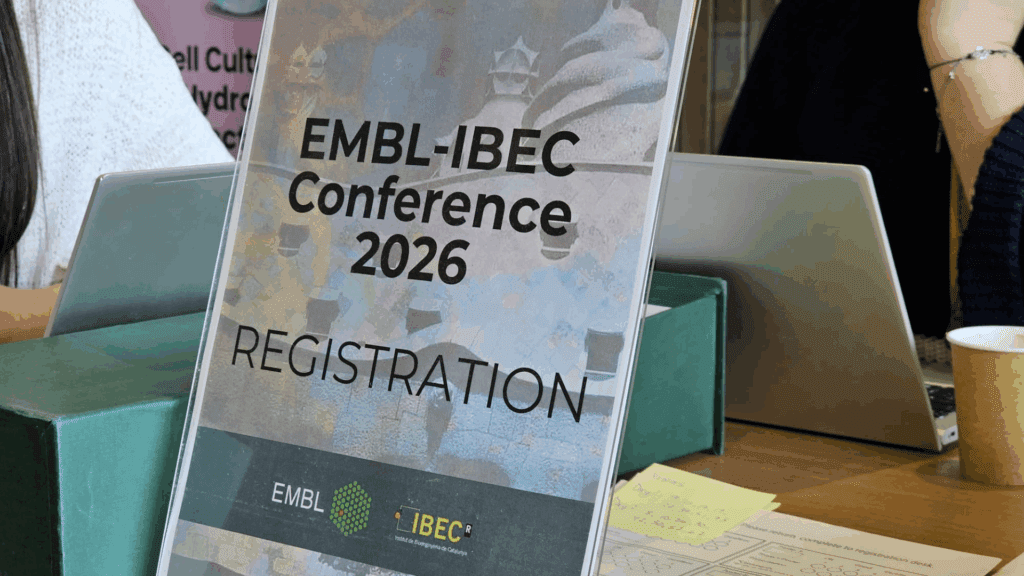
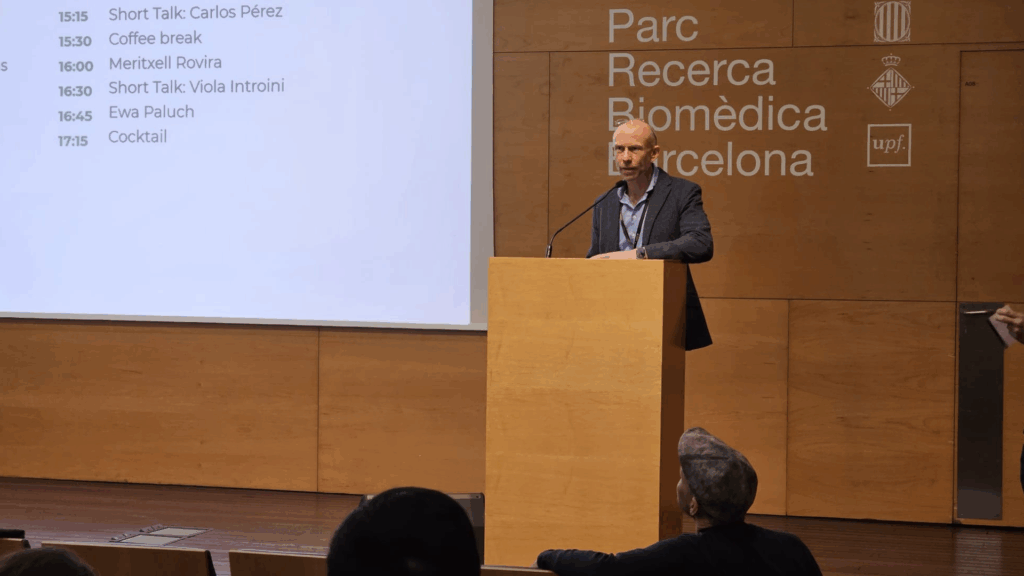
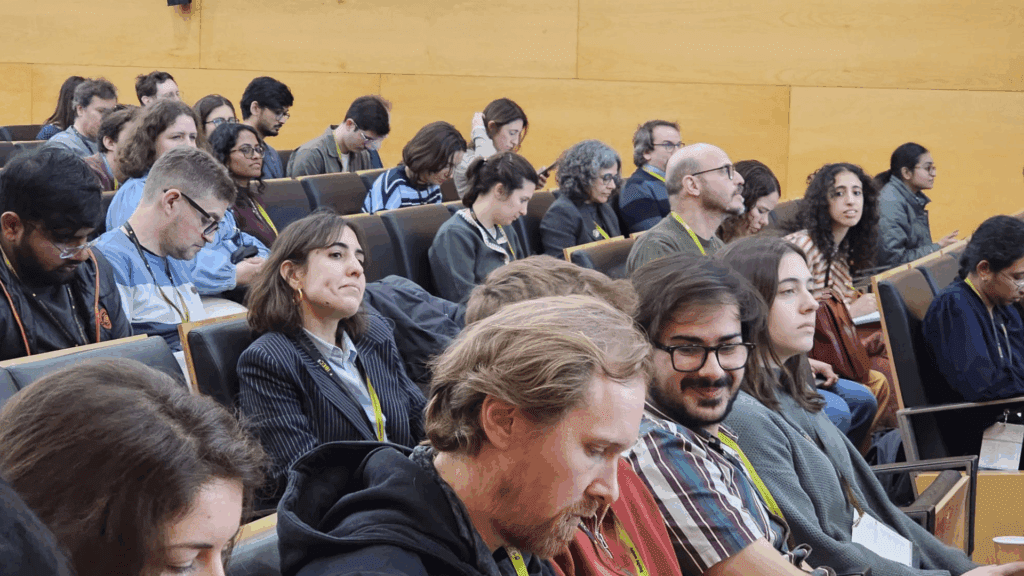
The fourth EMBL-IBEC Conference, organised by the Institute for Bioengineering of Catalonia (IBEC) and the European Molecular Biology Laboratory (EMBL), focused on disease modelling, developmental biology, and regenerative medicine. The event brought around 130 international bioengineering experts together at the PRBB in Barcelona this week.
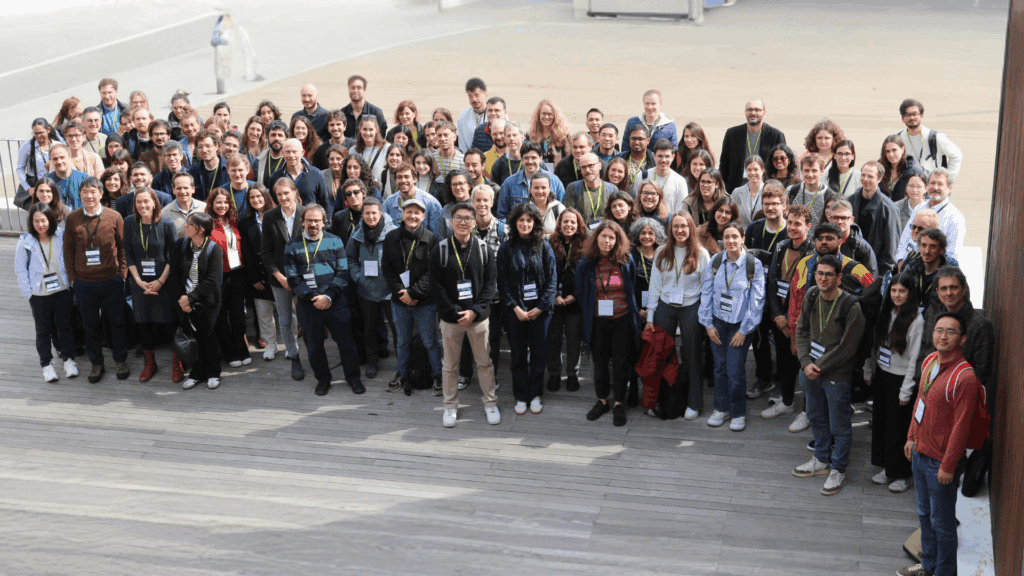
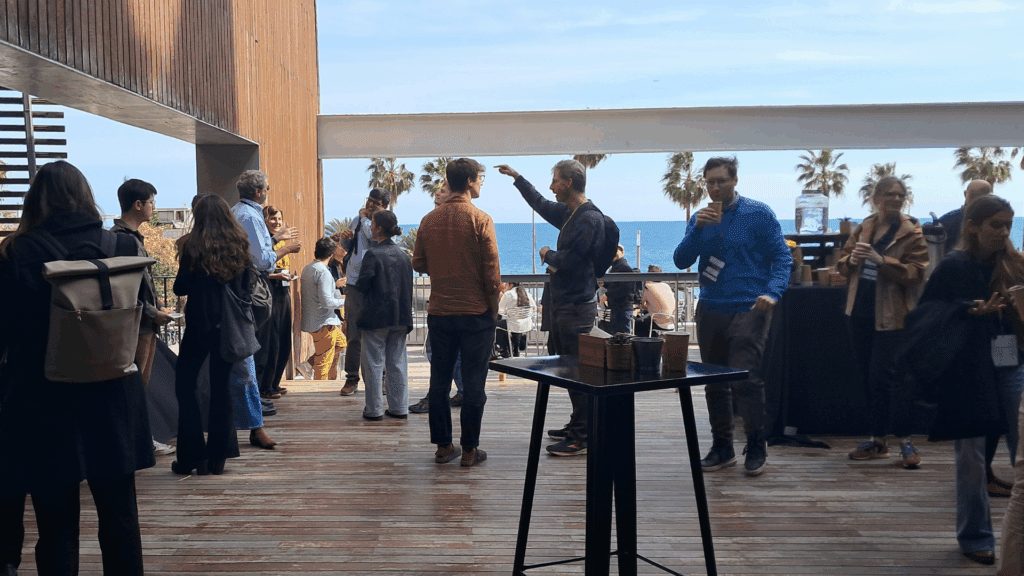
The fourth edition of the EMBL-IBEC Conference, organised by the Institute for Bioengineering of Catalonia (IBEC) and the European Molecular Biology Laboratory (EMBL), took place this week at the PRBB in Barcelona, bringing together around 130 international experts in the field of bioengineering and multicellular systems.
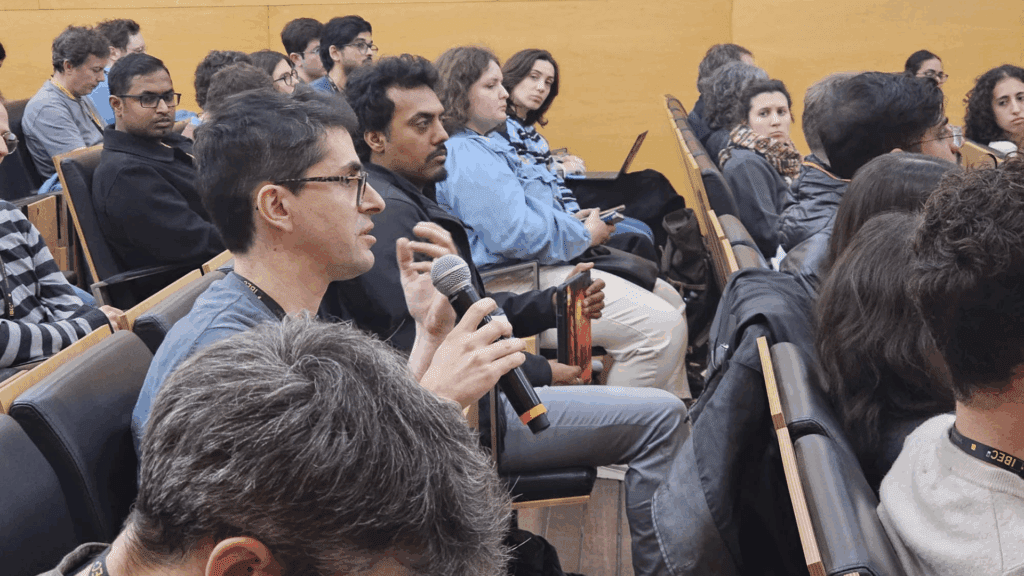
During this edition of the “EMBL IBEC Conference on Engineering Multicellular Systems”, attendees explored the latest advances in organoids, in vitro vascular systems, cellular biomechanics, embryonic engineering and 3D bioprinting, as well as new approaches to understanding tissue self-organisation, regeneration and disease modelling using experimental and computational tools. The meeting once again demonstrated why this biennial event has established itself as a benchmark in the study and engineering of living multicellular systems.
Driving the Future of Medicine Through Bioengineering
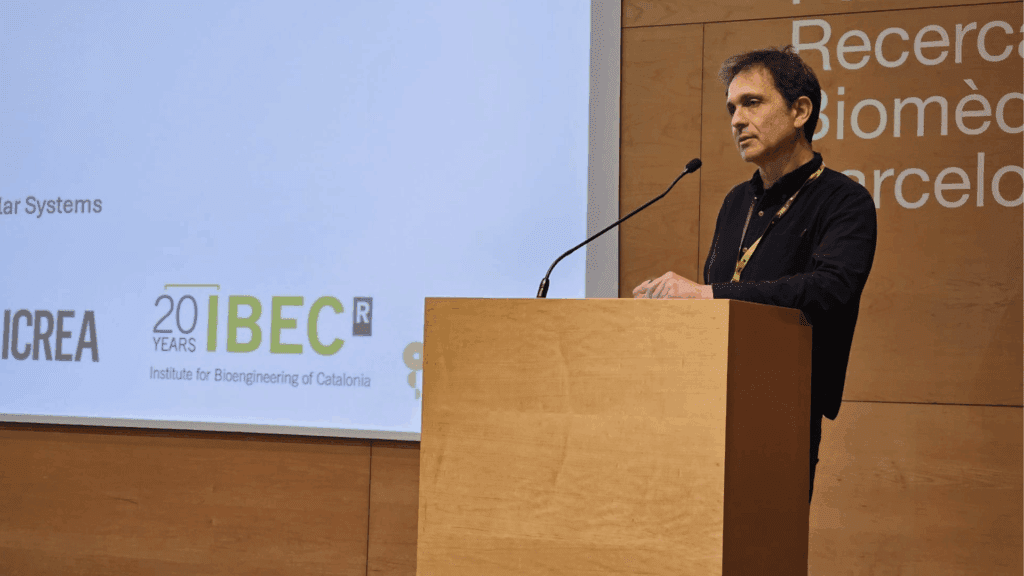
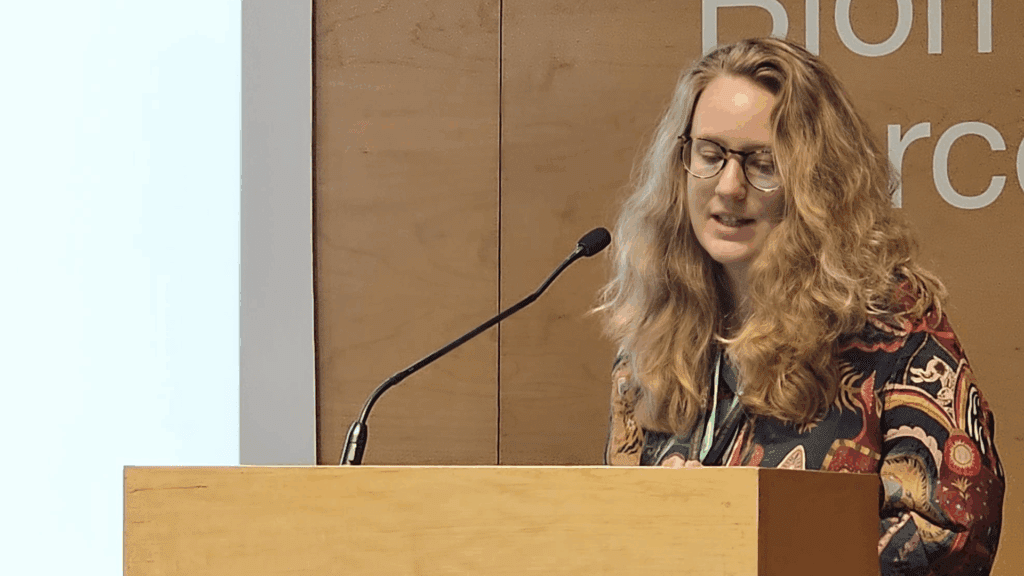
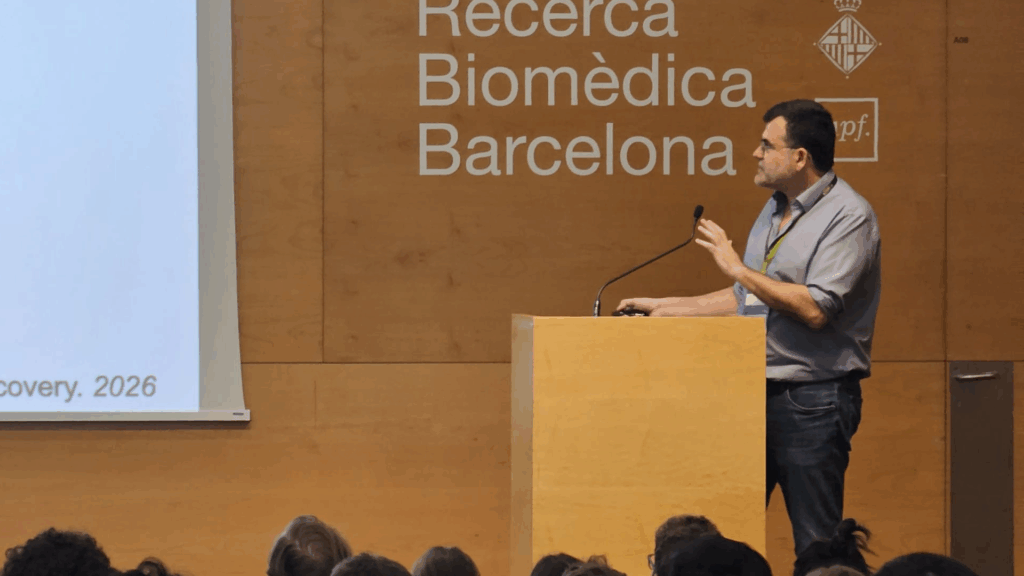
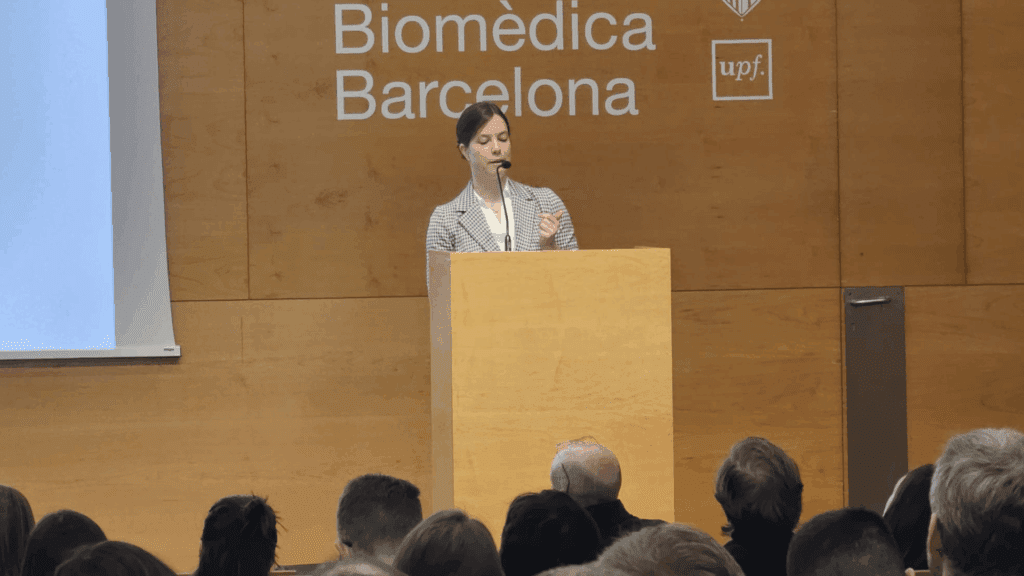
The scientific sessions brought together sixteen guest speakers whose contributions provided a multidisciplinary overview of the current state of the field and its frontiers. Researchers such as Scott Fraser (Chan Zuckerberg Biohub) and Eduard Hannezo (Institute of Science and Technology Austria) provided in-depth insights into the physical processes that govern tissue and organ organisation, drawing on imaging techniques and quantitative models. Nicolas Rivron (Institute of Molecular Biotechnology of the Austrian Academy of Sciences), Hannah Stuart (EMBL Barcelona), Elena Camacho (Andalusian Centre for Developmental Biology) and Lauren Saunders (Heidelberg University) presented work exploring various aspects of early developmental biology, including blastocyst implantation and cellular decision-making in the early stages of human embryo development.
Significant attention was also devoted to organoid models and in vitro systems, thanks to contributions from Meritxell Rovira (Bellvitge Biomedical Research Institute), Mingxia Gu (UCLA School of Medicine), Barbara Treutlein (ETH Zurich) and Jianping Fu (University of Michigan). These experts demonstrated how these advanced platforms enable the study of pancreatic regeneration, vascular development, and the formation of human embryonic structures. Meanwhile, Manuel Salmerón (IBEC) and Ewa Paluch (Cambridge University) examined the function of cell mechanics and the extracellular matrix in tissue formation. In the field of translational medicine, Eduard Batlle (IRB Barcelona) discussed tumour plasticity and therapeutic resistance in colorectal cancer, while Lorenzo Moroni (Maastricht University) presented new biomaterials designed to guide tissue regeneration through mechanical cues.
Overall, the presentations encouraged us to consider how integrating experimental approaches, bioengineering and modelling is changing our ability to create, manipulate and understand multicellular living systems. This has applications in regenerative medicine, disease modelling and designing future advanced therapies.
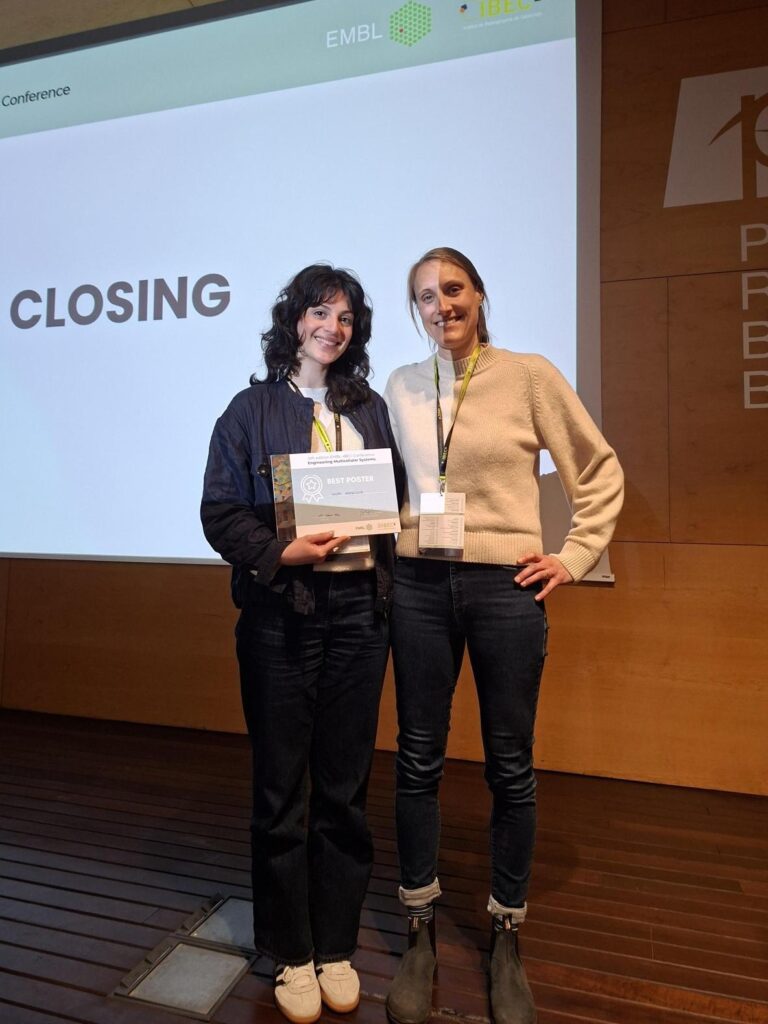
Awards for the Best Posters
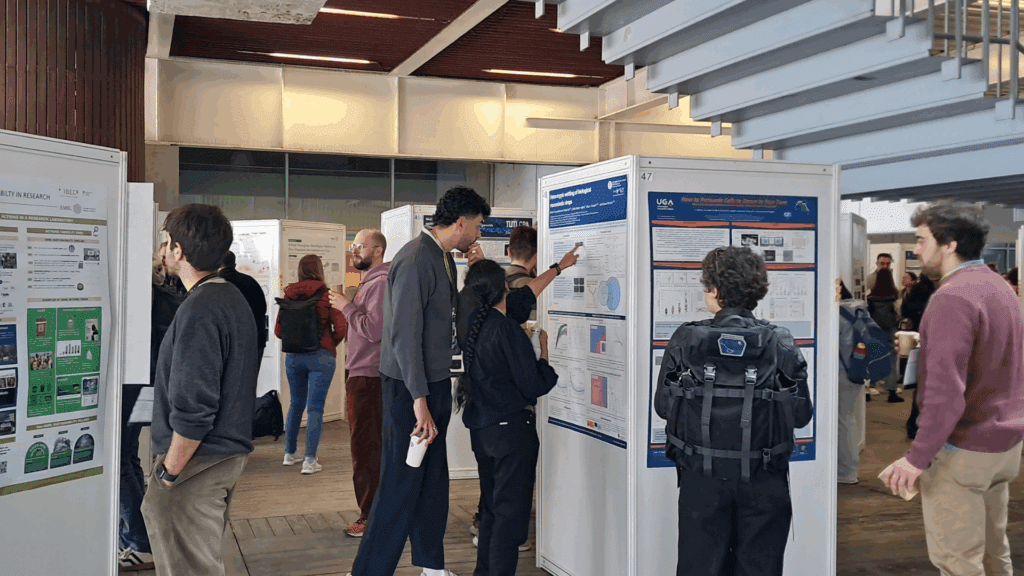
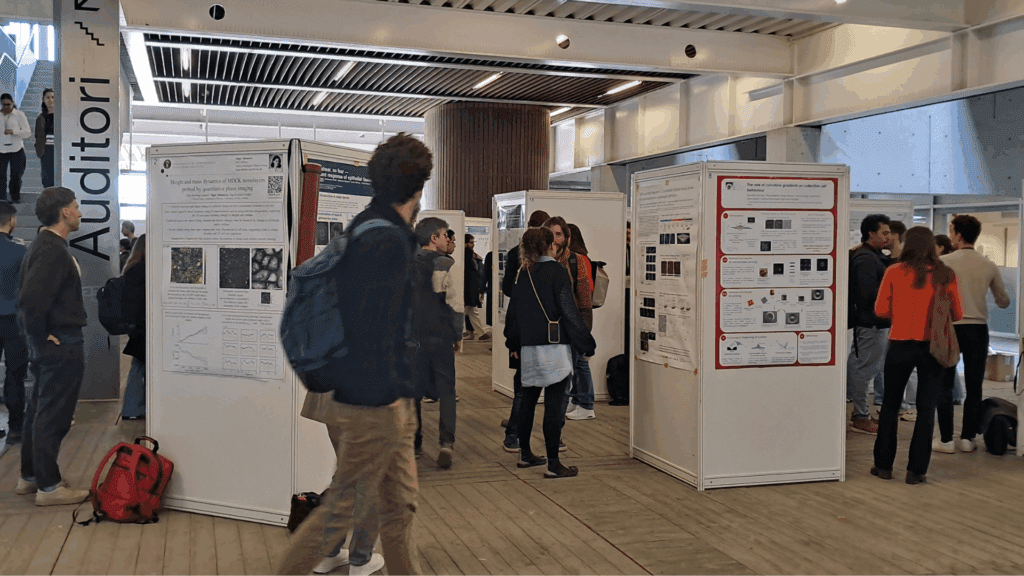
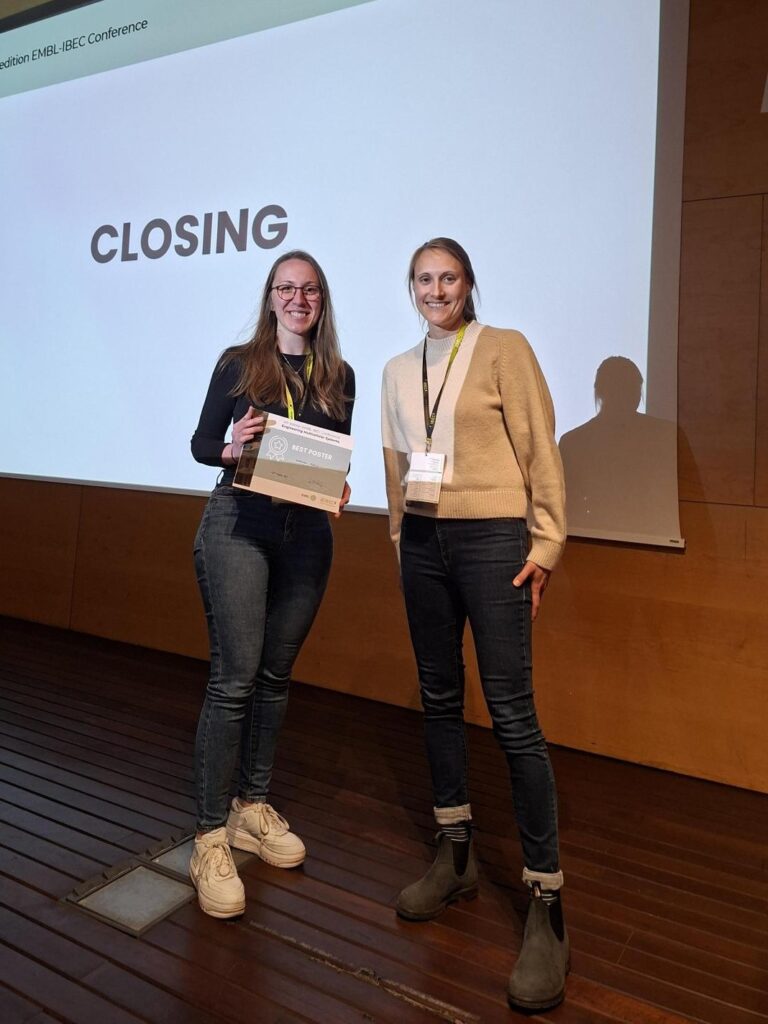
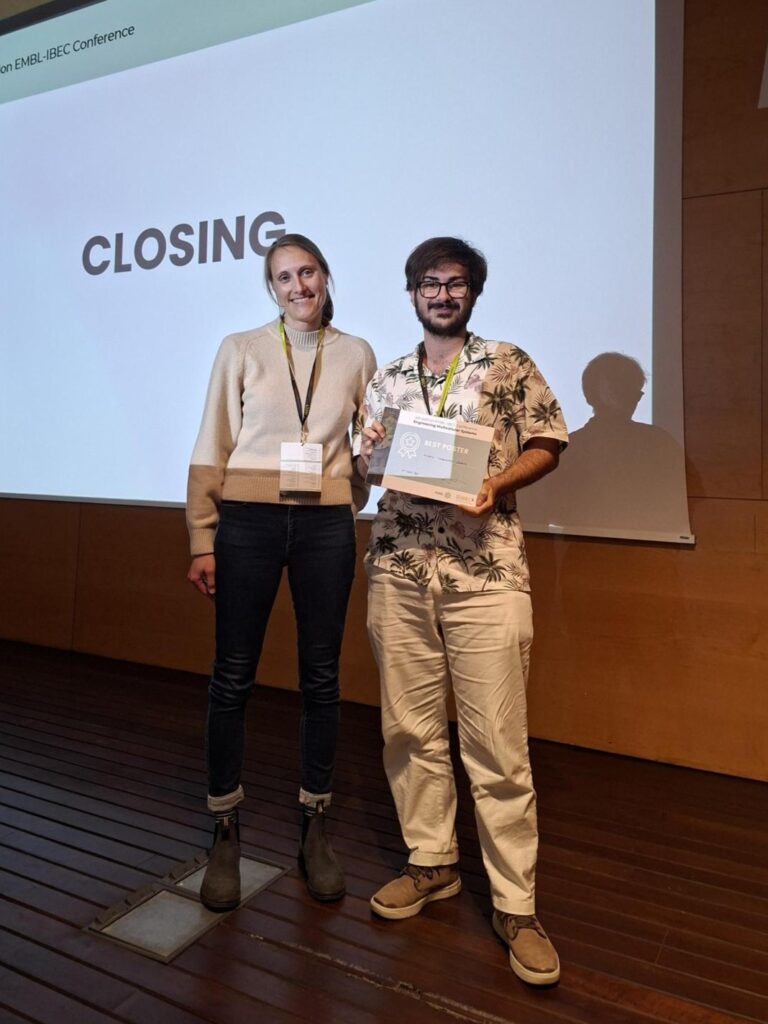
The traditional awards ceremony for the best posters took place on the final day. The winners were:
- Nigar Abasova, from the Niels Bohr Institute
- Marion Raich, from the Technical University of Munich
- Ricard Casanova, from the Integrative Cell and Tissue Dynamics group at IBEC.
Strategic collaboration between EMBL and IBEC
This year’s conference was organised by an organising committee comprising researchers Xavier Trepat, Josep Samitier and Zaida Álvarez (IBEC), as well as James Sharpe, Kristina Haase and Vikas Trivedi (EMBL Barcelona). The conference stems from the collaboration agreement between EMBL and IBEC. Both institutions are committed to conducting excellent, responsible research aimed at developing new technologies for precision medicine and generating fundamental knowledge to improve people’s health.


