
Nanovectors Could Improve the Combined Administration of Antimalarial Drugs
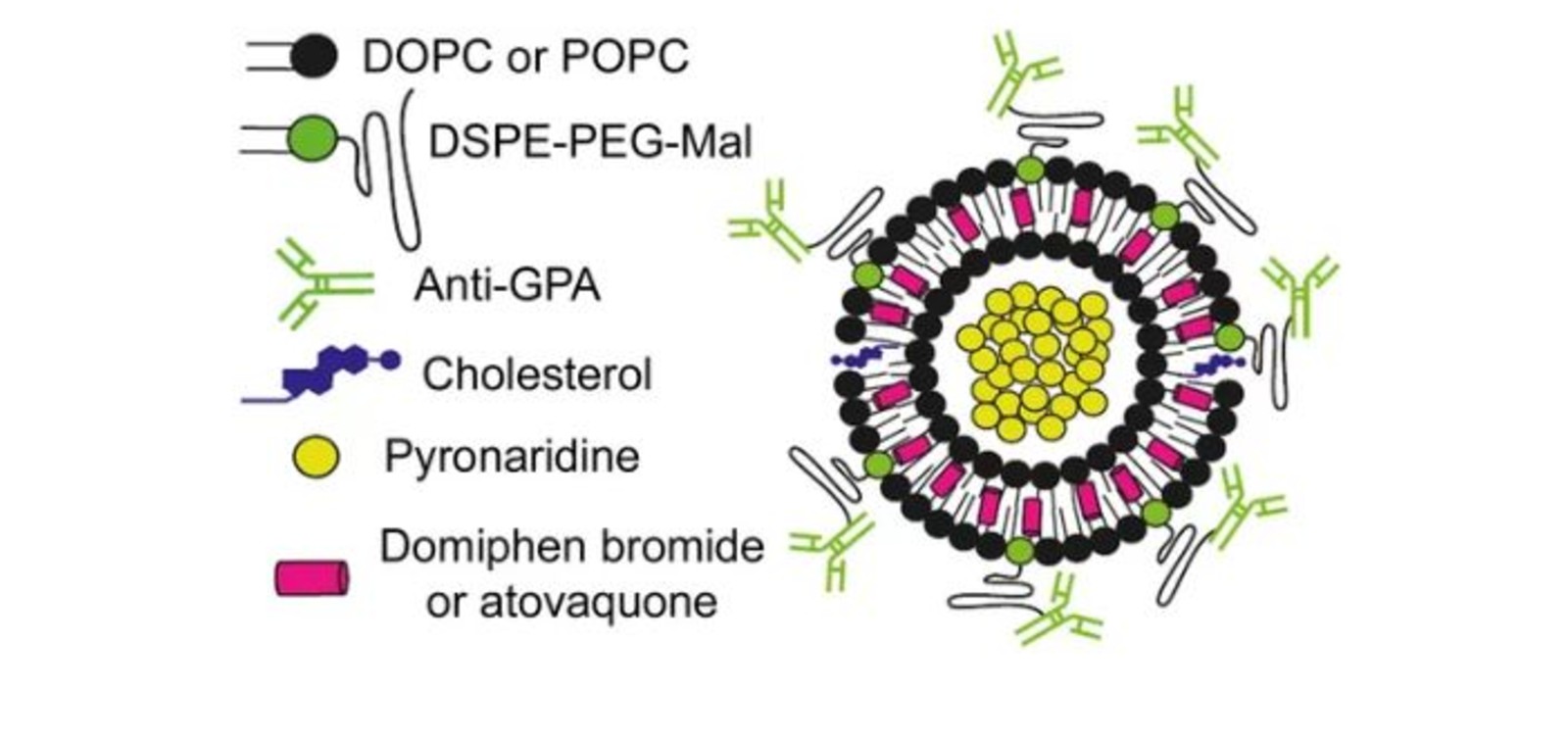
 According to the study, the strategy has the added advantage of targeting the transmissible phase of the parasite- the gametocyte. Encapsulating two drugs with different properties into nanovesicles surrounded by antibodies can greatly improve their delivery and efficacy, according to a study led by Xavier Fernández Busquets, director of the joint Nanomalaria unit at the Institute for Bionengineering of Catalonia (IBEC) and the Barcelona Institute for Global Health (ISGlobal), an institution supported by ”la Caixa”.
 According to the study, the strategy has the added advantage of targeting the transmissible phase of the parasite- the gametocyte. Encapsulating two drugs with different properties into nanovesicles surrounded by antibodies can greatly improve their delivery and efficacy, according to a study led by Xavier Fernández Busquets, director of the joint Nanomalaria unit at the Institute for Bionengineering of Catalonia (IBEC) and the Barcelona Institute for Global Health (ISGlobal), an institution supported by ”la Caixa”.
 Combining two drugs that act through different mechanisms is one of the most efficient approaches currently used to treat malaria. However, differences in the drugs’ physichochemical properties (solubility, half-life, etc.) often affect treatment efficacy.

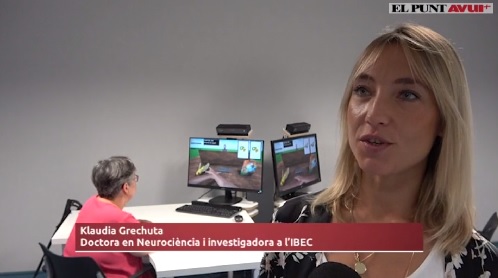
 The SPECS group, together with the physical medicine and rehabilitation department of the hospital Sant Joan de Barcelona, explain us in the news of Punt Avui television, their study in virtual reality for patients who have suffered a stroke. The study began in 2014 and is a reinforcement of the basic rehabilitation treatment. In this case, a study has been done with 18 patients and a clear improvement has been observed after two months thanks to this system.
 Application Deadline: 04/10/2019


