DONATE

New insights into how bacteria control DNA synthesis open the door to next‑generation antimicrobials 
A study led by the Institute for Bioengineering of Catalonia (IBEC) and the Molecular Biology Institute of Barcelona (IBMB) provides the most detailed picture to date of NrdR — the master regulator of ribonucleotide reductases (RNRs) in bacteria. Researchers obtained the first detailed images of the complete NrdR protein structure and showed how changes in the shape and grouping of this protein affect the way it controls key processes inside the cell. The findings, recently published in International Journal of Biological Macromolecules, increase our understanding of how bacteria regulate the production of the molecular building blocks of DNA, a crucial aspect for both fundamental microbiology and the development of new antimicrobial strategies.
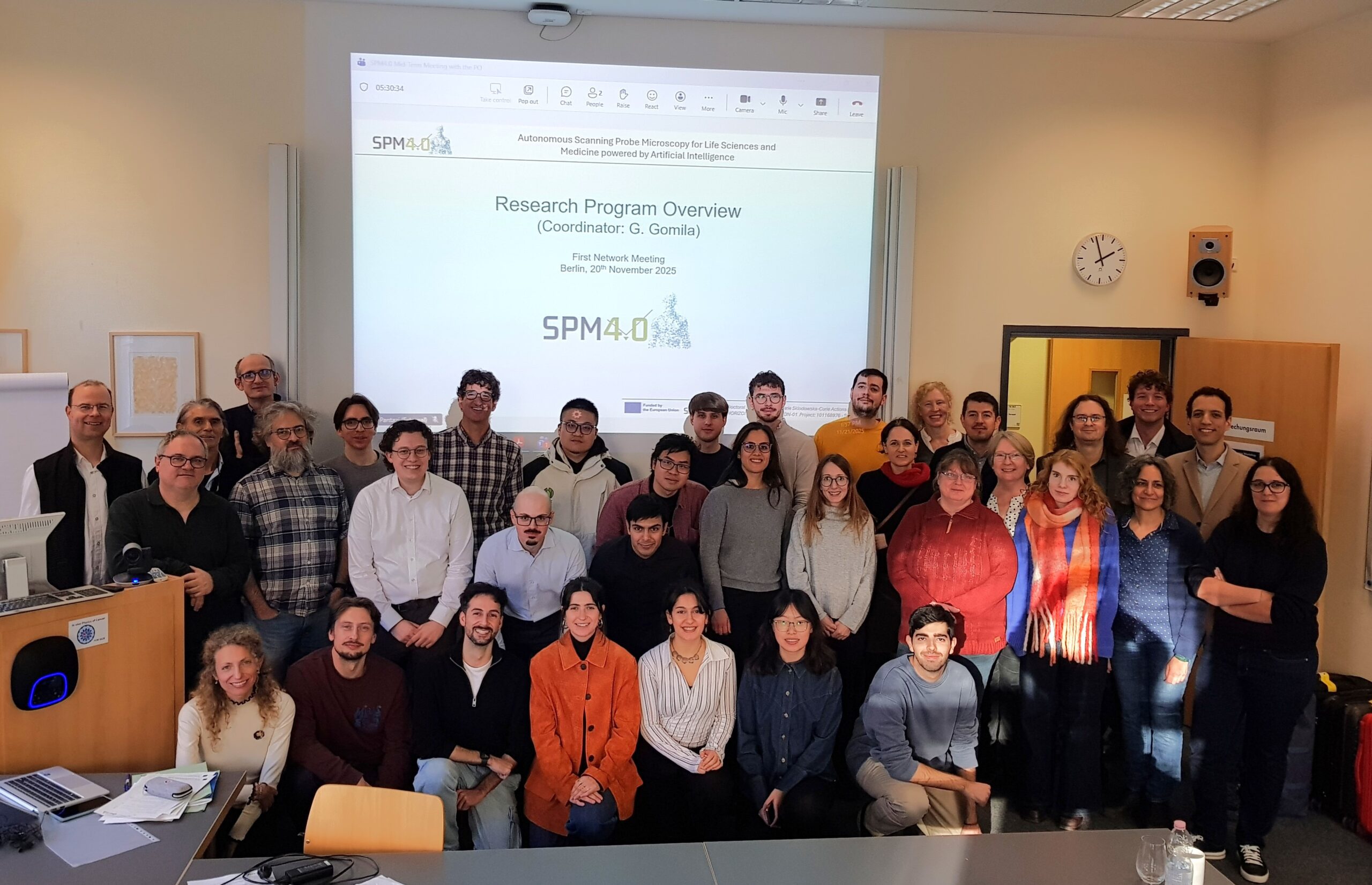
Berlin Hosts the Mid-Term Meeting and First Workshop of the SPM4.0 Network coordinated by IBEC

The SPM4.0 consortium convened at Charité–Berlin for its first training workshop and mid-term meeting, reinforcing scientific collaboration and supporting the development of the project’s doctoral researchers. The sessions offered a comprehensive overview of ongoing scientific progress and future training activities. This milestone moment further strengthened coordination across the network and set the pace for upcoming project objectives.

Two projects with IBEC participation selected in the MSCA call for PhD networks

IBEC will coordinate SPM4.0 and participate as a partner in ENTRY-DM, two of the projects selected in the 2023 call for PhD networks within the Marie Skłodowska-Curie Actions (MSCA). Thanks to these two projects, IBEC will add three new PhD students to its staff.

New Methodology for Studying Organic Transistors in Operation with Applications in Bioelectronics

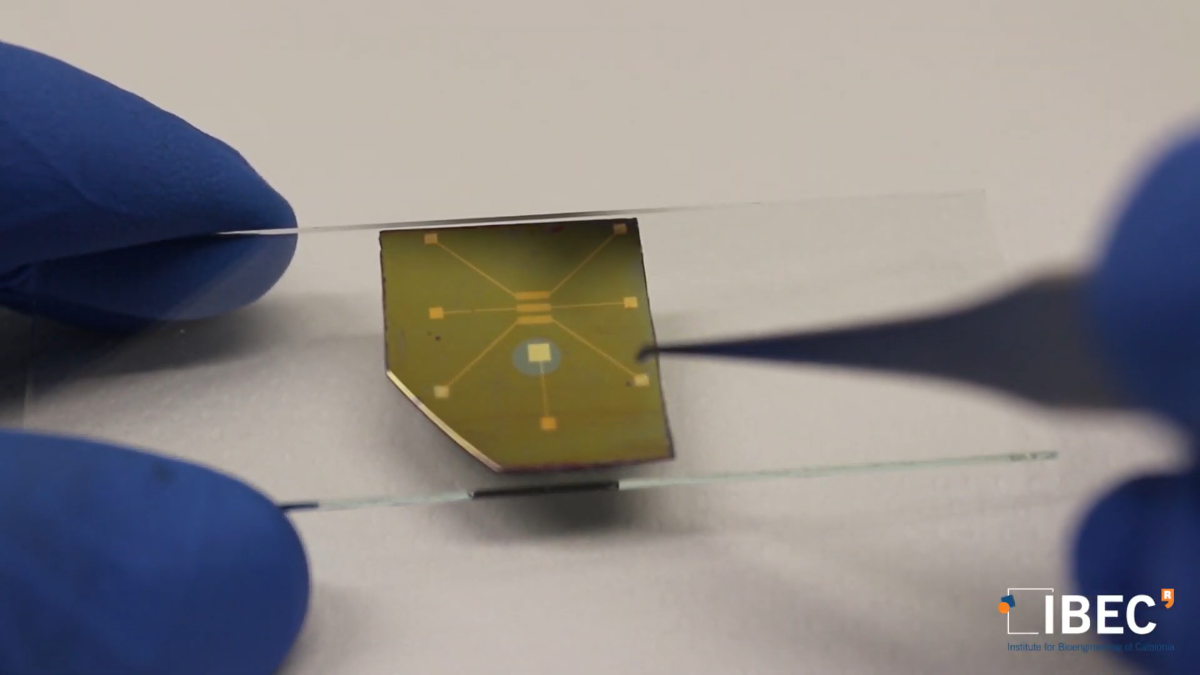
A study led by IBEC has successfully mapped the local electrical potential along the structure of organic transistors used in bioelectronics, enabling a detailed assessment of bottlenecks in charge transport. The goal of this study is to deepen the understanding of the properties of charge transport in materials used in organic electronics when in contact with liquid media, aiming to enhance their applications in biosensors or bioelectrical recordings.