La Razón: Trasplantan a cerdos riñones modificados con organoides humanos
El objetivo es reparar o regenerar un órgano antes del implante para disponer de más que sean viables.

Group
El objetivo es reparar o regenerar un órgano antes del implante para disponer de más que sean viables.
Los bioingenieros descubren cómo obtener los tejidos de manera rápida y asequible.
Científicos españoles demuestran la viabilidad de una tecnología celular con la que abordar las complicaciones en los trasplantes. El experimento ha demostrado que “la producción es escalable y segura”.
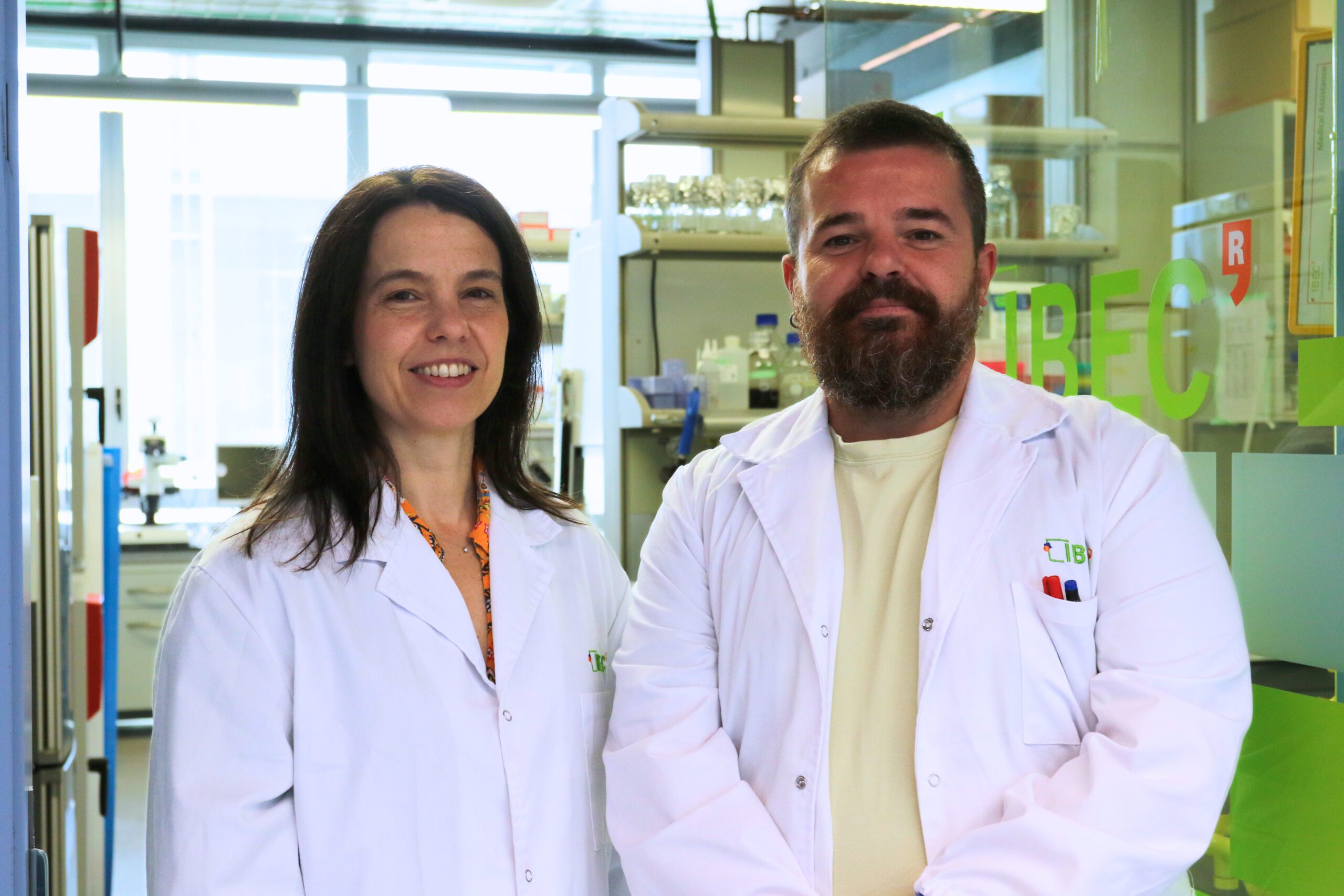
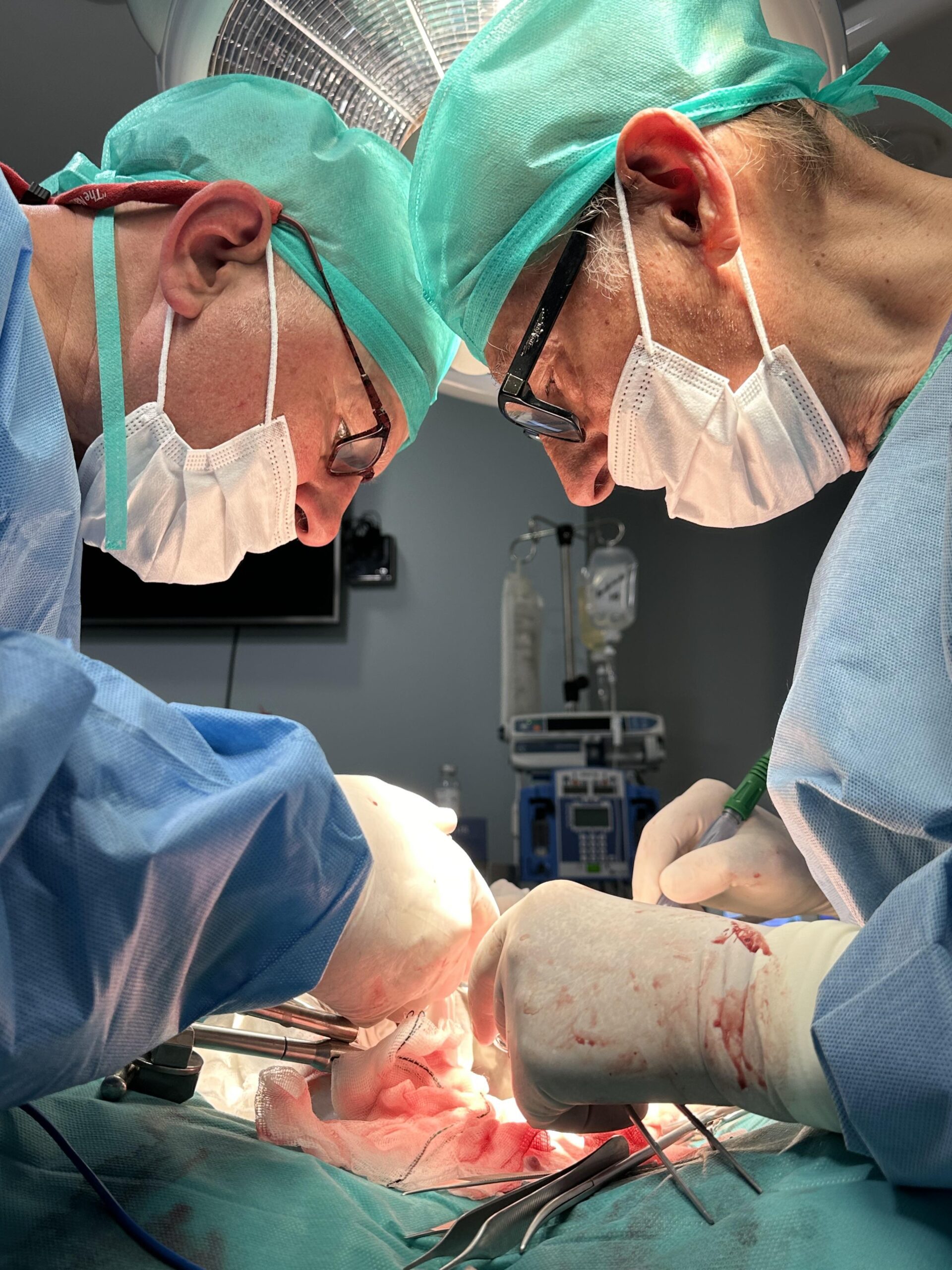
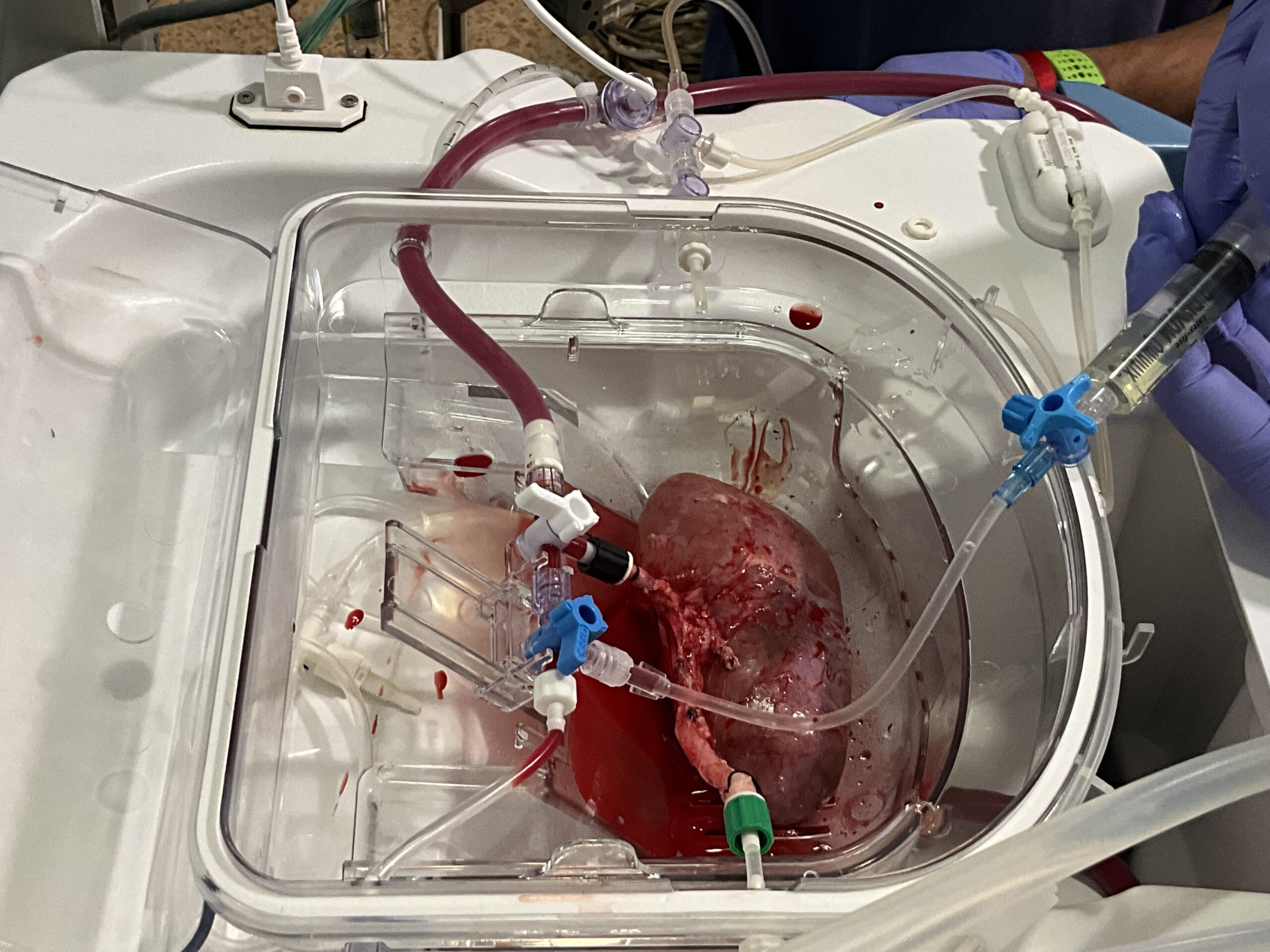
A research team has developed pioneering technology that enables human kidney organoids to be produced on a scalable basis. These organoids can then be combined with pig kidneys outside the body and transplanted back into the same animal in a viable manner. The experiment, led by the Institute for Bioengineering of Catalonia (IBEC), is in the preclinical phase. It confirms the safety and viability of the procedure, paving the way for future trials involving humans. In the long term, this approach could help to extend the useful life of organs intended for transplantation and provide an alternative therapy for patients with chronic kidney disease.
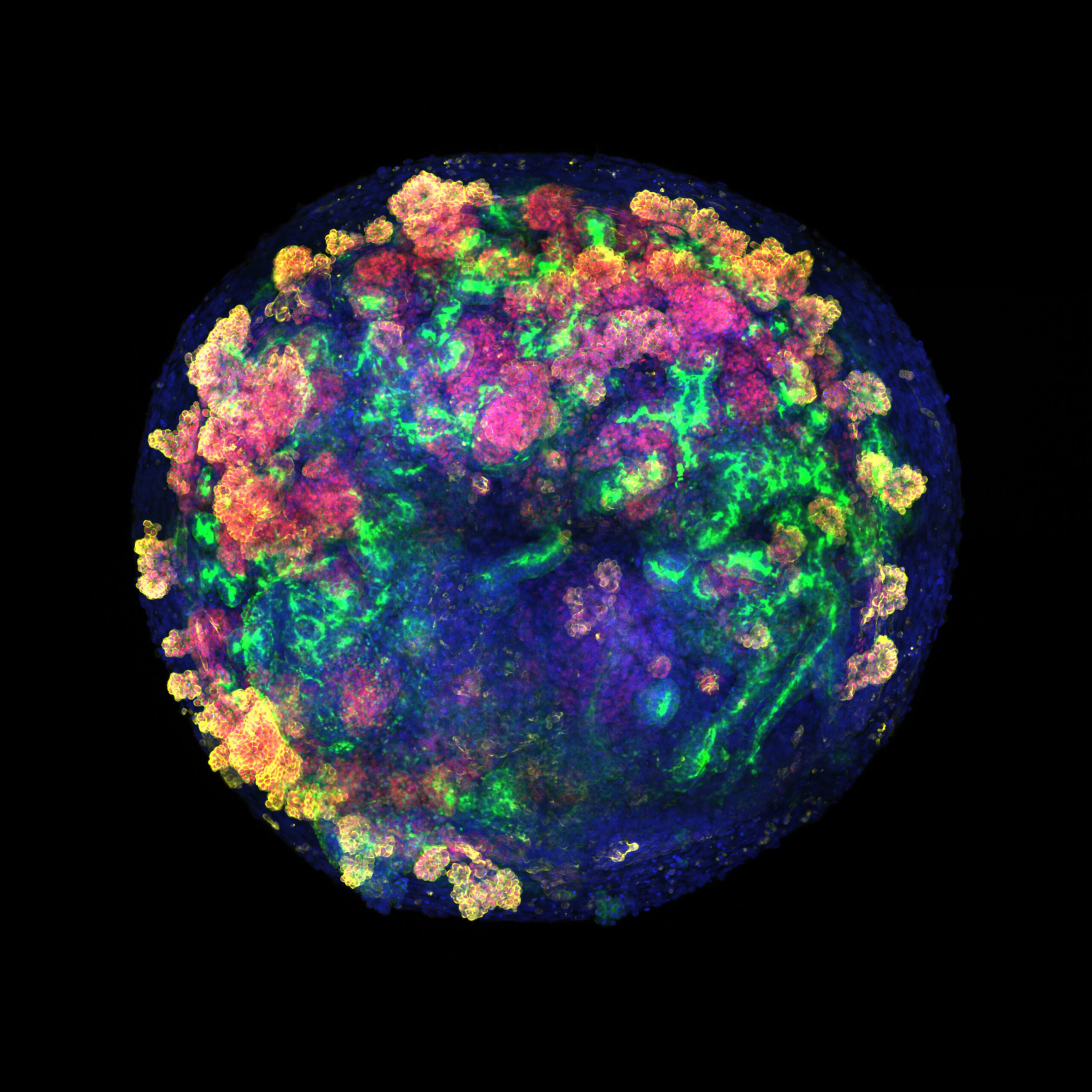
El avance puede facilitar la recuperación de vísceras dañadas para reducir las listas de espera de trasplantes, que no dejan de crecer

Núria Montserrat, ICREA Research Professor at the Institute for Bioengineering of Catalonia (IBEC), has been awarded two significant grants totaling 50,000 euros. These funds are intended to support an innovative … Read more
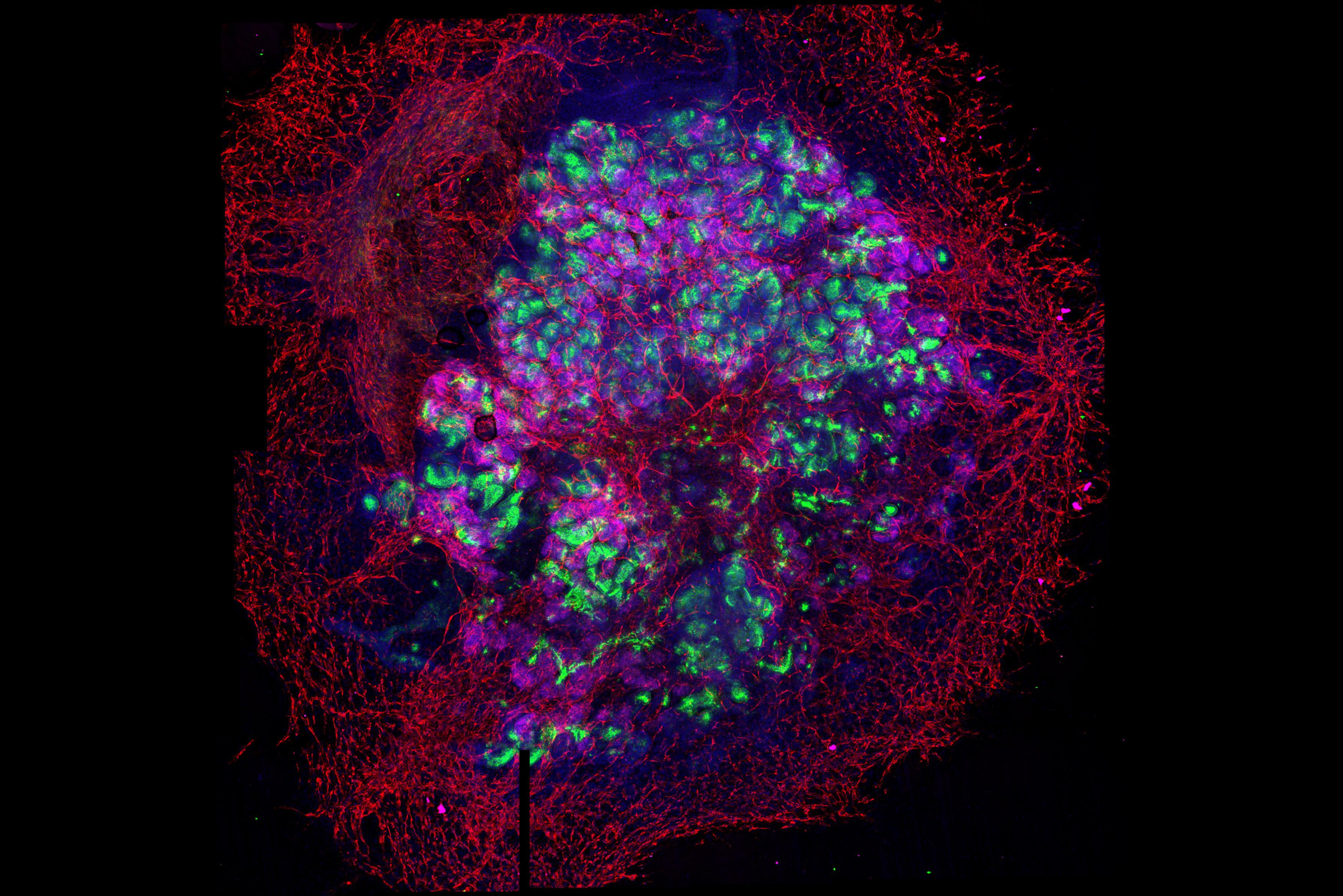
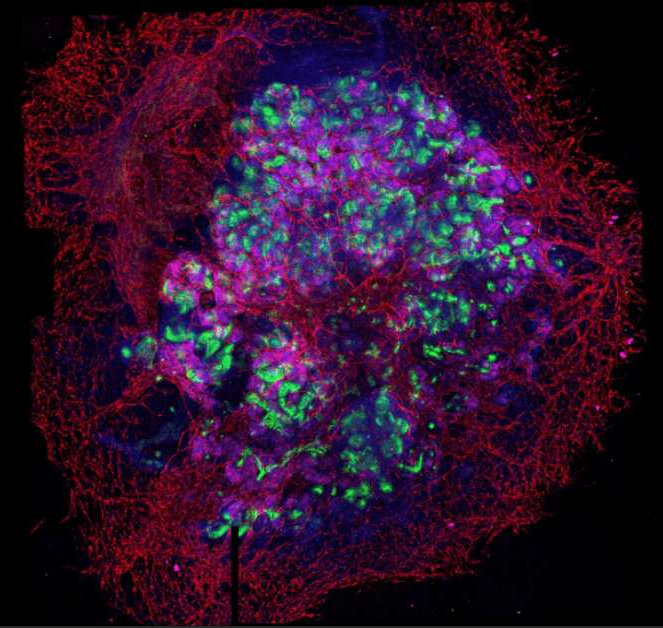
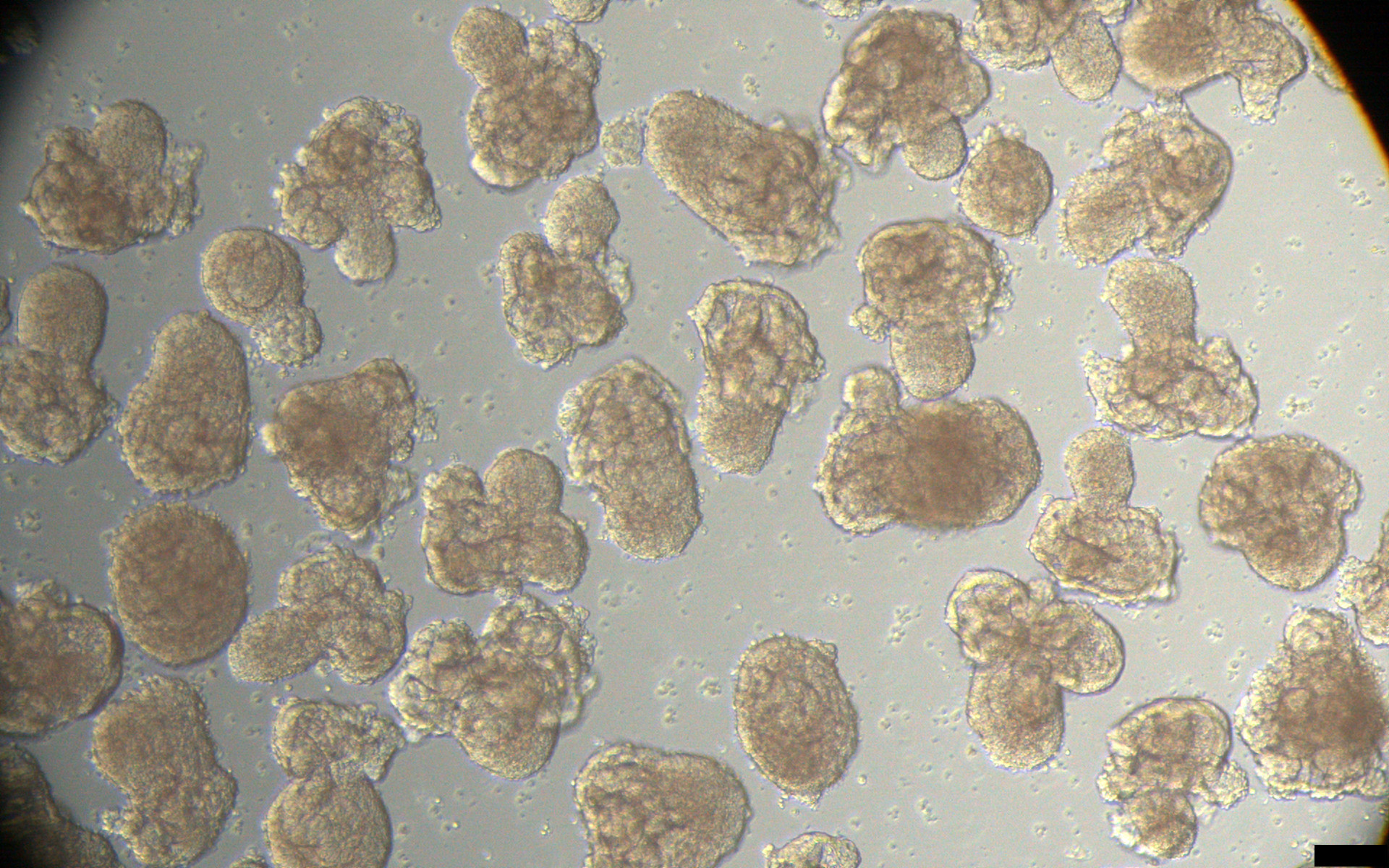
These are asembloids, micrometric organoids formed by the union of kidney organoids with vascular organoids in 3D. These small culture systems are useful for disease modelling and drug screening. The study, led by IBEC, describes an approach that has not been tried before.