

Your face is pushed forward from the back of your head
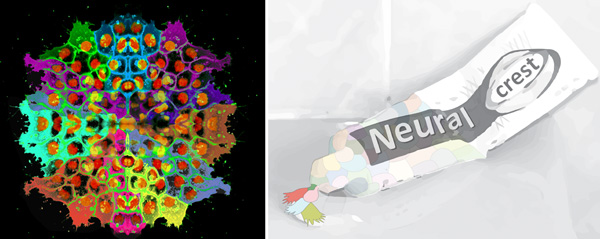
 The embryonic stem cells that form faces – neural crest cells – use an unexpected mechanism to develop our facial features, according to a new UCL-led study involving IBEC researchers.
 The embryonic stem cells that form faces – neural crest cells – use an unexpected mechanism to develop our facial features, according to a new UCL-led study involving IBEC researchers.
By identifying how these cells move, the researchers’ findings could help understand how facial defects, such as cleft palate and facial palsy, occur.
This newly described mechanism is likely to be found in other cell movement processes, such as cancer invasion during metastasis or wound healing, so the findings may pave the way to developing a range of new therapies for these, too.

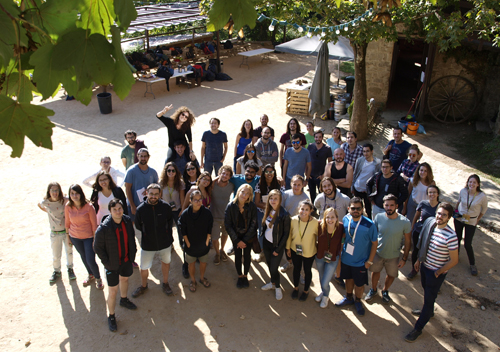
 Last week IBEC’s PhD students headed off to Mas Colltort in Sant Feliu de Pallarols for the first ever IBEC PhD retreat.
 The Signal and Information Processing for Sensing Systems group have revealed a new analytical technique that can be used to measure cannabinoids in plants and tobacco.
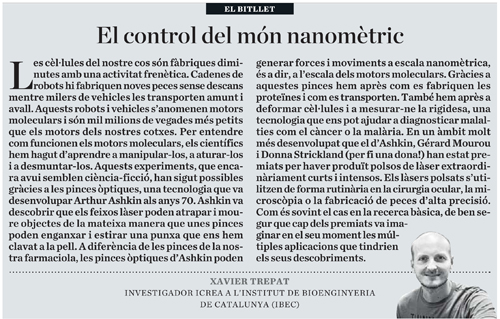
 IBEC group leader Xavier Trepat penned a short article for ARA magazine in which he discusses the research of Arthur Ashkin, Gérard Mourou and Donna Strickland, winners of the the Nobel Prize for Physics.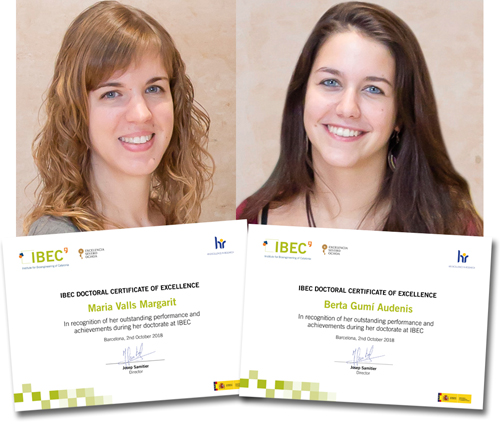
 Yesterday’s 11th IBEC Symposium closed with the bestowing of IBEC Doctoral Certificates of Excellence on two PhD fellows, the first time the recognition has been awarded since the initiative’s inception in 2017.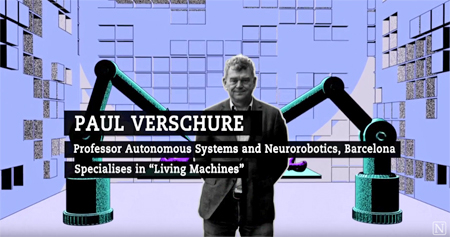
 The five-part series ‘A Bright New World’ in Dutch current affairs program Nieuwsuur (Newshour) by public broadcaster NTR/NOS asks how artificial intelligence will determine the future of love, work, care and war.
 Tueday 2nd October will see the Institute for Bioengineering of Catalonia’s 11th Annual Symposium take place at Barcelona’s AXA Auditoritum, the first symposium in the insitute’s second decade of activity.