Predoctoral Researcher in Bioengineering for Personalized Pediatric Oncology (Project Magneto)

Ref: FPI-AV // Deadline: 02/01/2026

Ref: FPI-AV // Deadline: 02/01/2026
Ref: RA-RJ // Deadline: 02/01/2026
Ref: RA2-RJ // Deadline: 2/1/2026

Thanks to the project carried out during 2 years after obtaining the María de Guzmán grant from FECYT, received in 2023, IBEC has published its IBEC CRIS scientific production portal … Read more
Ref: Phd-SS // Deadline: 29/12/2025
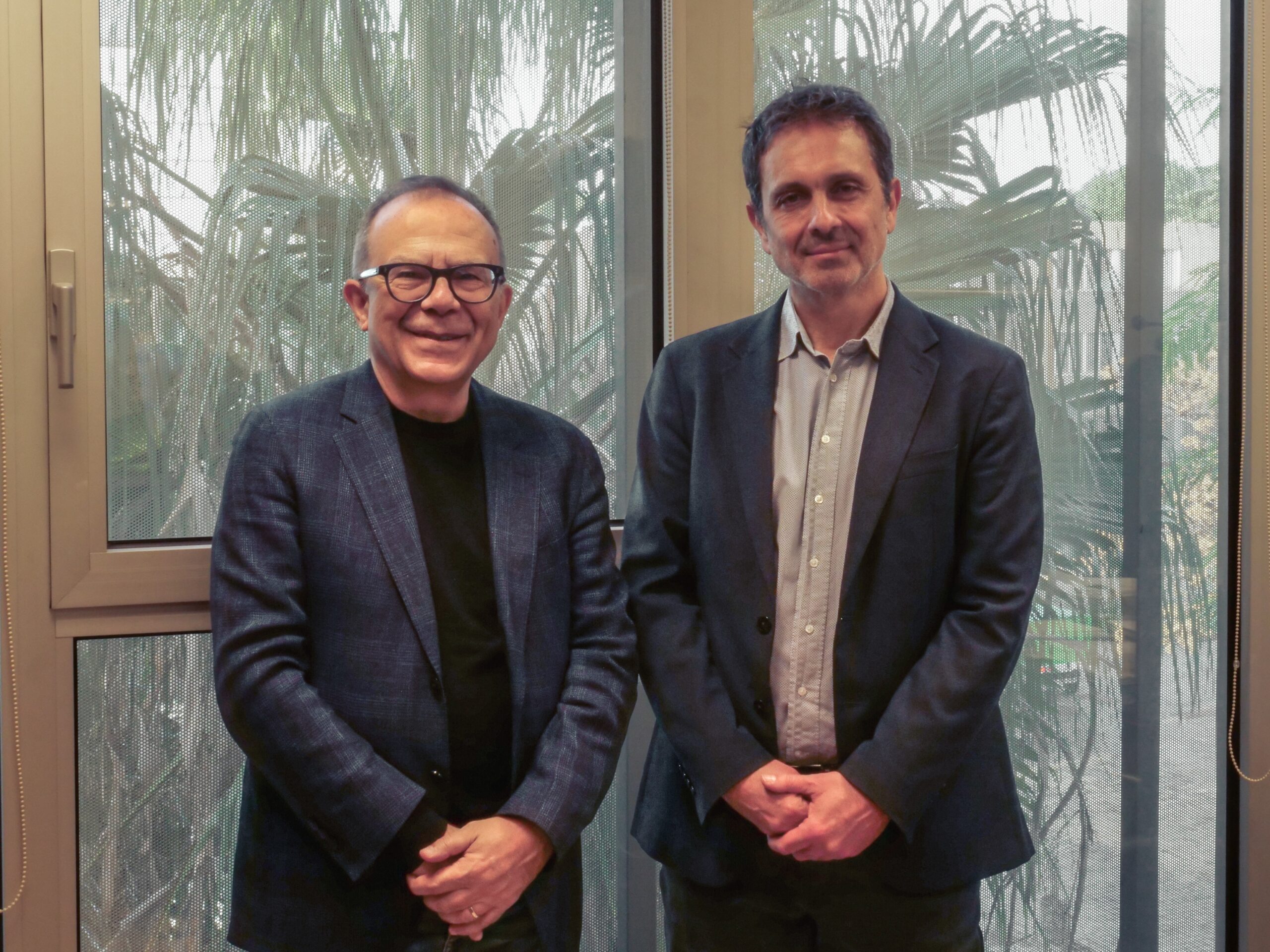
Josep Samitier will step down as Director of the Institute for Bioengineering of Catalonia (IBEC) on 31 December 2025. Under his leadership since 2013, IBEC has become a leading institution in Spain for research excellence in bioengineering. Manuel Salmeron, an ICREA Research Professor at IBEC, will take over as interim director at the request of the Institute’s board of trustees.
Ref: FPI_EG // Deadline: 30/01/2026
Ref: PR-XT // Deadline: 21/12/2025
Ref: RT-IM // Deadline: 21/12/2025
Ref: PR-PG // Deadline: 22/12/2025