Molecular Bionics
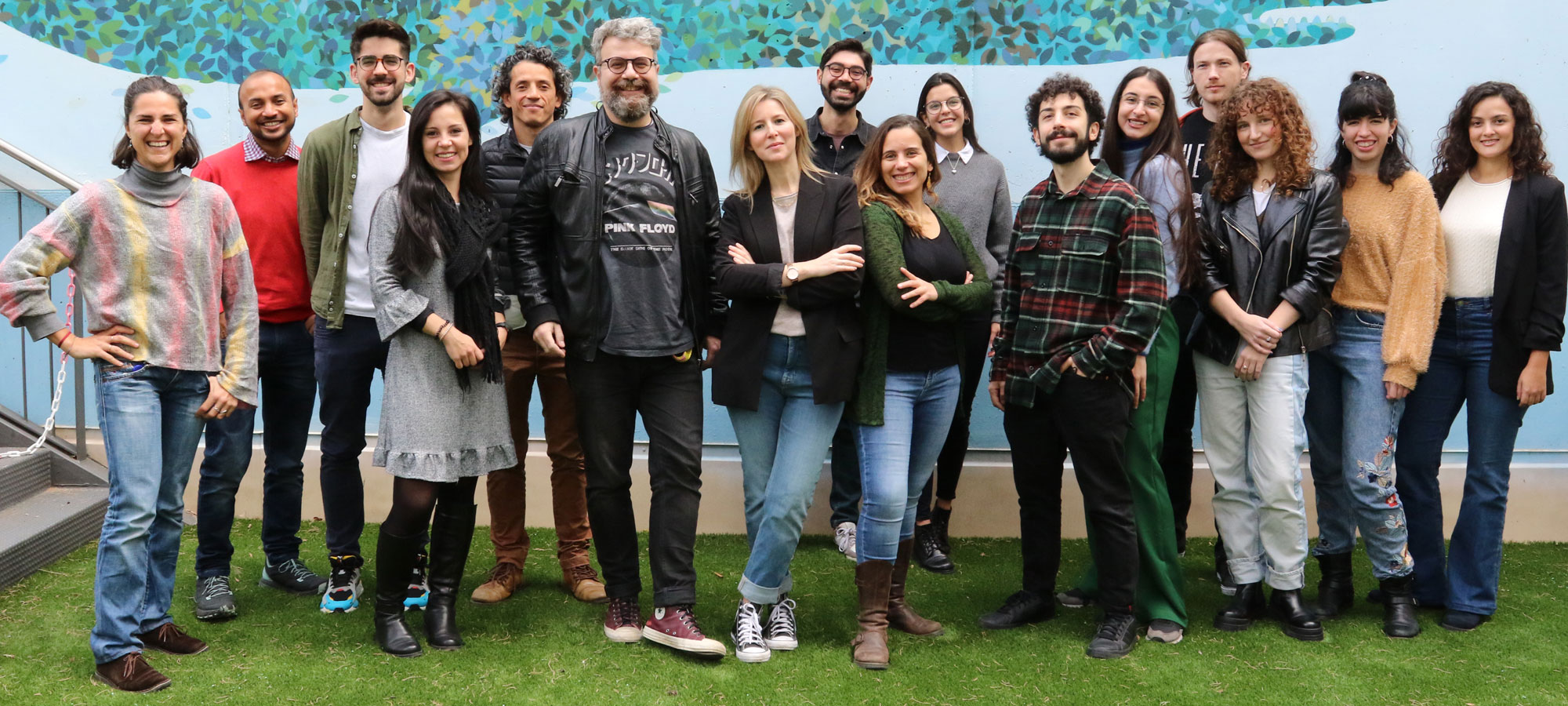
We are chemists, physicists, mathematicians, engineers, biologists who work alongside to design bionic units that mimic specific biological functions and/or introduce operations that do not exist in Nature. We apply … Read more
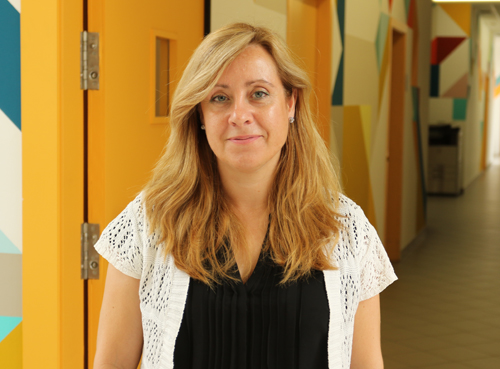
 IBEC group leader Silvia Muro has been granted funding in MINECO’s ‘Explora Ciencia’ and ‘Explora Tecnología’ 2017 call.

 The Institute for Bioengineering of Catalonia (IBEC), a cutting-edge research center based in Barcelona, is looking for a Project Manager in Research. His/her role will be to oversee and manage the research projects of several research lines, liaising with other sites and institutions across Spain and Europe.
 Collaborating IBEC groups have published a study in Nature Communications that reveals that electron transfer can take place while a protein is approaching its partner site, and not only when the proteins are engaged, as was previously thought.
 The biotechnology company Iproteos, IBEC and the Vall d’Hebron Research Institute (VHIR) are set to develop an innovative treatment to slow down, stop and even reverse the growth of solid tumors, which represent more than 90% of cancer cases.