
IBEC receives a visit from the Mayor of Barcelona interested in our research against Covid19
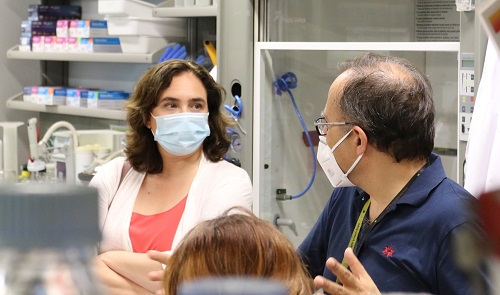
 The Mayor of Barcelona, Ada Colau, visited IBEC facilities last Friday to learn, by our Director and a group of researchers, how bioengineering can help find solutions to health problems such as COVID19, cancer, or degenerative diseases.
 The Mayor of Barcelona, Ada Colau, visited IBEC facilities last Friday to learn, by our Director and a group of researchers, how bioengineering can help find solutions to health problems such as COVID19, cancer, or degenerative diseases.
When in early 2020, more than 200 scientists gathered in La Pedrera in Barcelona to discuss the present and future of bioengineering, no one imagined that the world would experience the first pandemic of the 21st century and that science would take on more importance than ever.
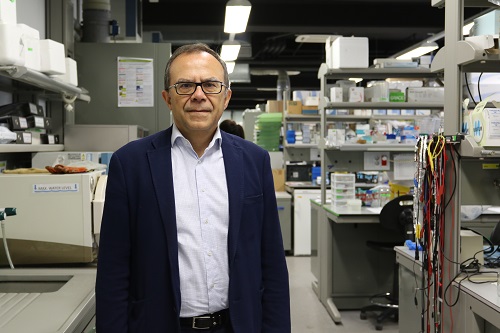
 On May 13, the new National Agreement for a Knowledge-based Society was presented at the appearance of the President of the Catalan Government and the Minister for Business and Knowledge.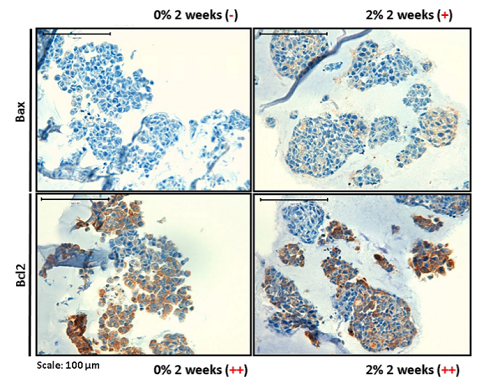
 IBEC contributes to elucidate how the rigidity of the tumor extracellular matrix affects the aggressiveness of neuroblastoma, a cancerous tumor that affects mainly children. This opens the door to generate more accurate models to predict tumor development in patients and to work in the design of new treatments.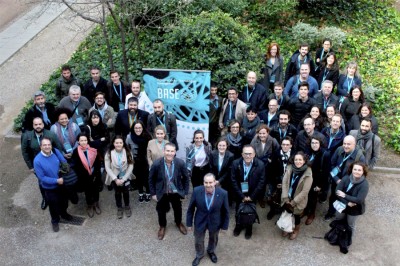
 The Institute for Bioengineering of Catalonia (IBEC) will contribute its extensive experience in 3D printing and bioprinting to the BASE 3D community, an entity that brings together research centers and companies from all over Catalonia with the aim of promoting R+D+i in the field of printing 3D.
 Experts at Institute for Bioengineering of Catalonia (IBEC) led by Josep Samitier, the Director of the Institute, have contributed to an international project supported by the European Union to study red blood cells under realistic physiological conditions.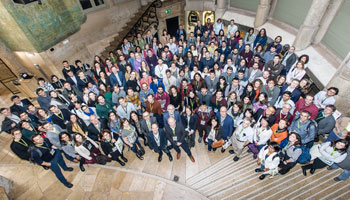

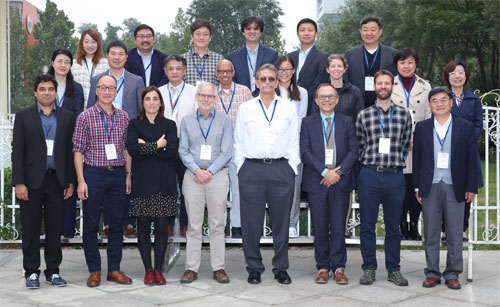
 Last 9-11th of October took place in Beijing the workshop on “Engineering and Manufacture of Living Systems”. The aim of the workshop was to bring together multi-disciplinary researchers to review the latest advances and discuss the future directions in the design and manufacture of engineered living systems, and their integration amongst the researchers gathered at this international workshop.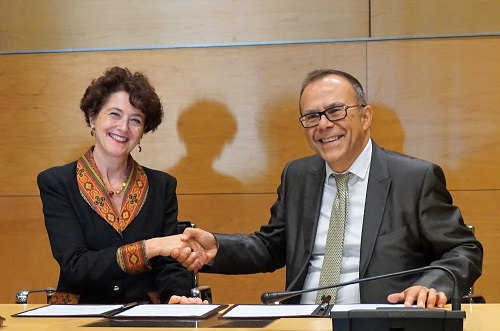
 The European Molecular Biology Laboratory (EMBL) and the Institute for Bioengineering of Catalonia (IBEC) aim to strengthen future collaboration between the two research institutions. With this purpose, IBEC Director’s Josep Samitier and Edith Heard, Director of EMBL, have signed a 5-year agreement at EMBL Barcelona headquarters.