Predoctoral researcher at the Pluripotency for organ regeneration Research Group (Project COMPLEXORG)
Ref: FPI_EG // Deadline: 30/01/2026
Ref: PR-XT // Deadline: 21/12/2025
Ref: RT-IM // Deadline: 21/12/2025
Ref: PR-PG // Deadline: 22/12/2025
Ref: PR-BB // Deadline: 23/12/2025
The Institute for Bioengineering of Catalonia (IBEC) will promote the ‘Creation of new IBEC spaces for the Bioengineering for Sustainability Research Programme’ (BESOS-IBEC) project thanks to a Singular Institutional Grant. This grant is promoted by the Department of Research and Universities of the Government of Catalonia and is co-financed by the European Regional Development Fund (ERDF).
Involucrar als pacients, no és una moda passatjera Begonya Nafria Escalera, Patient Engagement in Research Head of Department at Sant Joan de Déu Chidren’s Hospital (Spain) La recerca i la … Read more
Next-generation organoid models for colorectal cancer research Francisco Lorenzo-Martín, University of Salamanca Three-dimensional organoid culture technologies have revolutionized cancer research by allowing for more realistic and scalable reproductions of tumor … Read more
The Institute for Bioengineering of Catalonia (IBEC) has received funding through the Spanish State Research Agency’s 2025 call for proposals for the preparation and management of European projects and attraction of international talent. This funding will allow IBEC to launch the HE-mPOwer project, a strategic initiative designed to strengthen the institute’s internationalisation and increase its competitiveness within the Horizon Europe programme.
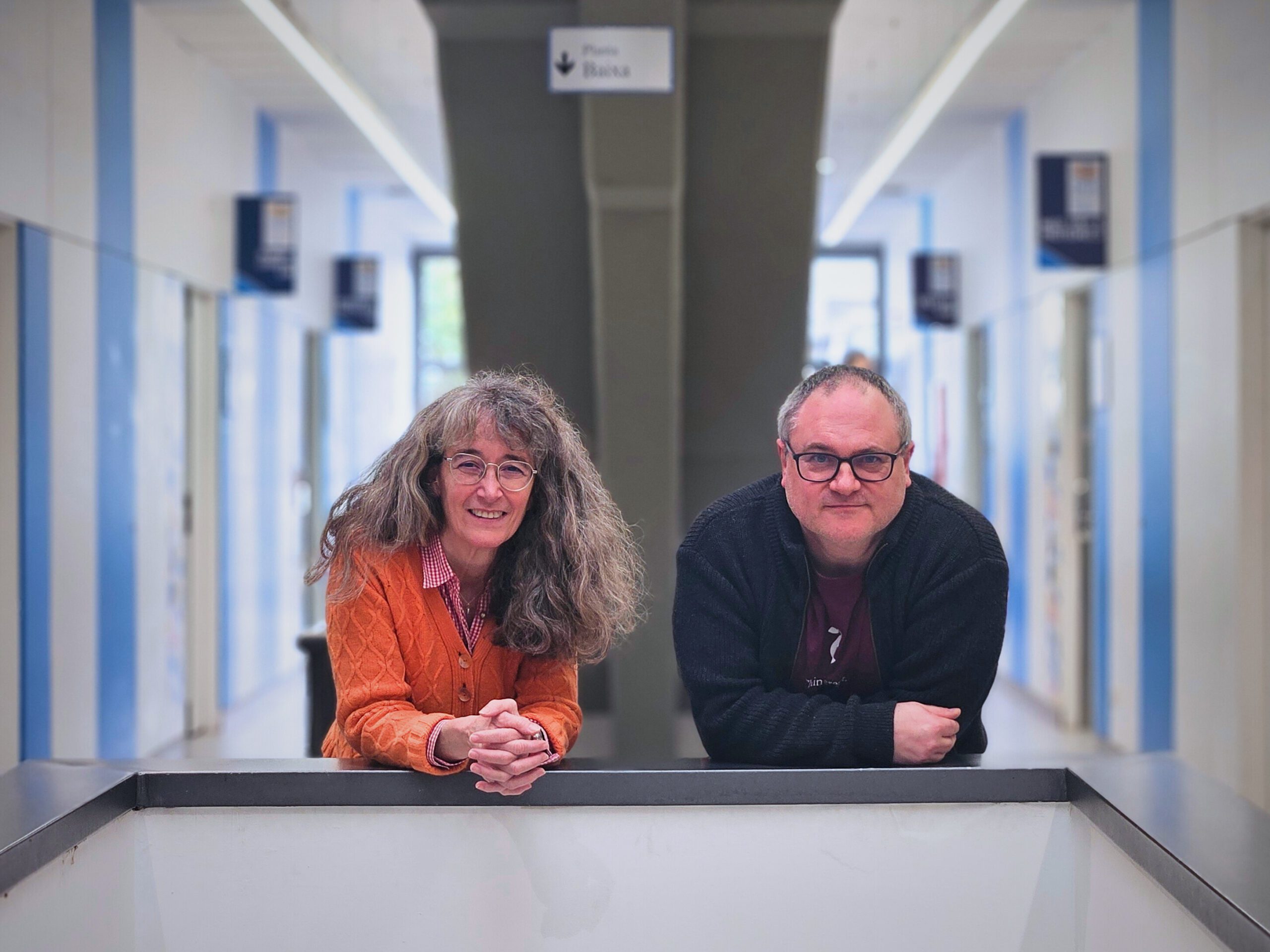
The researcher at the Institute for Bioengineering of Catalonia has been awarded an ERC Consolidator Grant. This prestigious European funding supports excellent scientists and scholars who are consolidating their independent research teams to pursue their most promising scientific ideas. The €2.8 million SPINECRAFT grant, awarded for five years, will enable Álvarez and her team to build a high-fidelity, 4D human spinal cord model using advanced bioprinting and patient-derived cells. This platform aims to transform the study of spinal cord biology, neurodegenerative disorders, and regenerative therapies, setting the stage for breakthroughs previously out of reach.