LA VANGUARDIA: ¿Cómo mejorar el desarrollo de fármacos que lleguen al cerebro?
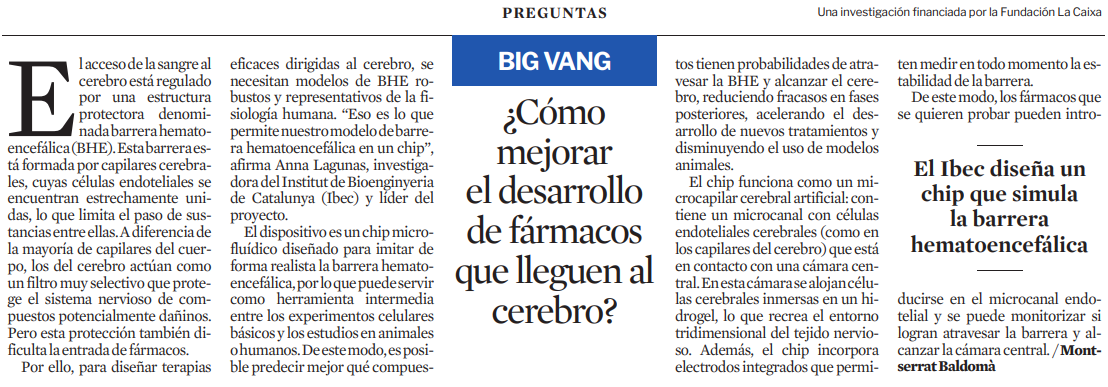
El IBEC diseña un chip que simula la barrera hematoencefálica.
El IBEC diseña un chip que simula la barrera hematoencefálica.
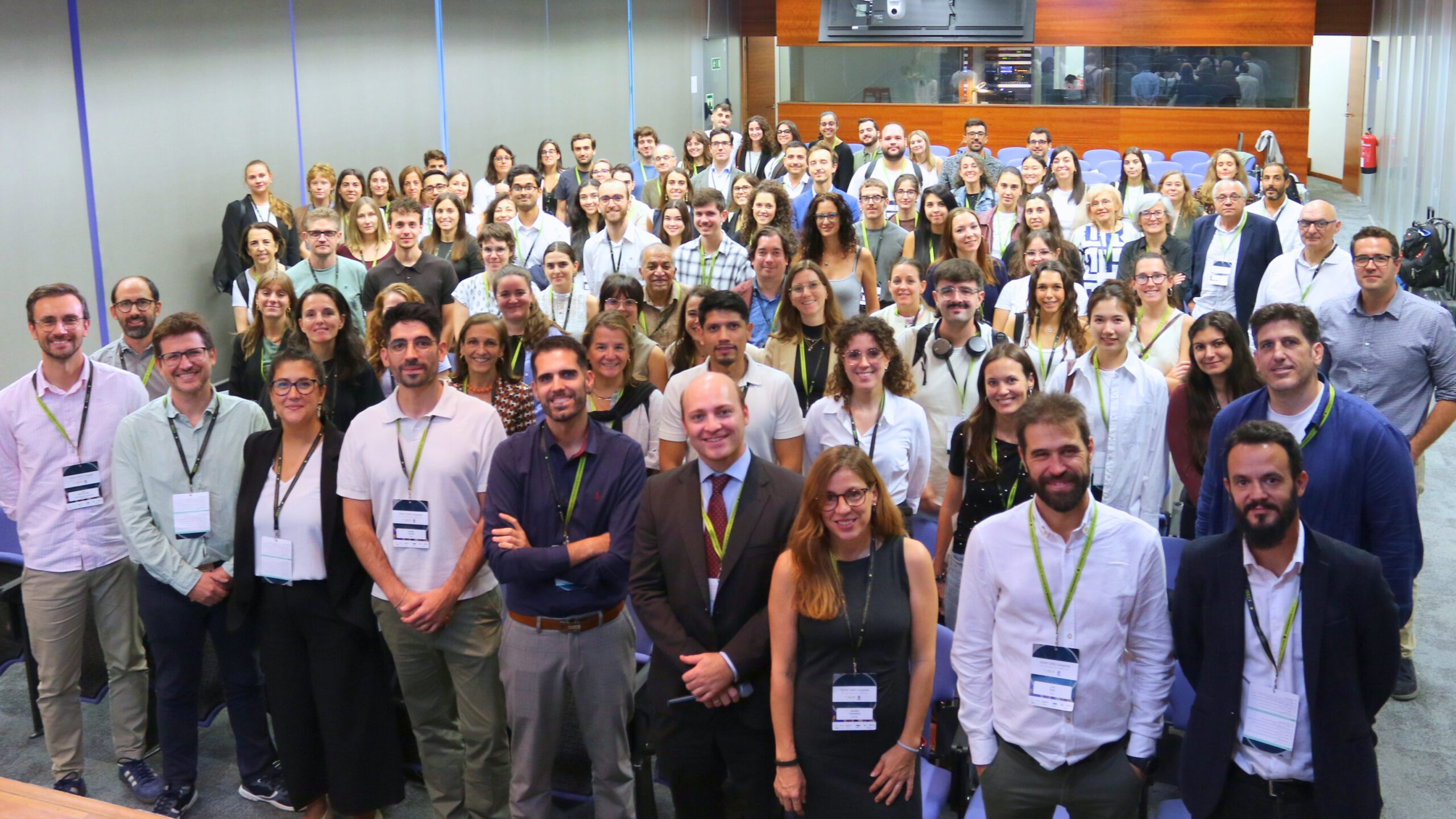
The Institute for Bioengineering of Catalonia (IBEC) and the Spanish Society of Regenerative Medicine and Tissue Engineering (SEMIT) organized the inaugural SEMIT 2025 Congress. The event gathered leading national and international experts in regenerative medicine and tissue engineering, creating a unique platform for knowledge exchange among researchers, clinicians, and industry.

Ref: LA-JR // Deadline: 15/10/2025
Ref: LT_PR // Deadline: 12/10/2025
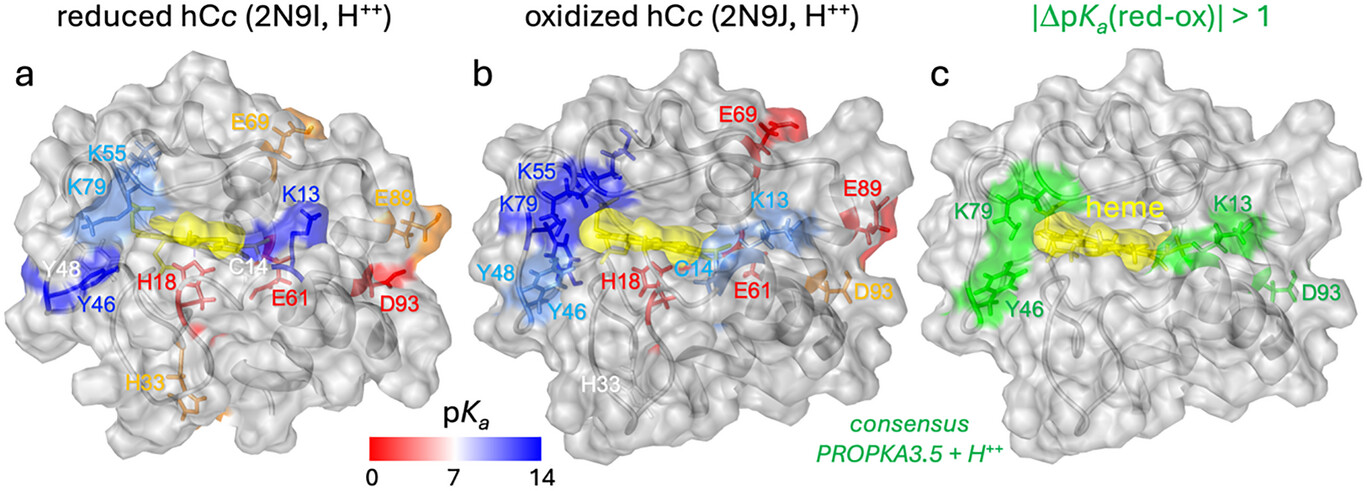
A study led by the Institute for Bioengineering of Catalonia (IBEC) has revealed that protons and reactive oxygen species mediate long-distance charge transport in the mitochondrial respiratory chain — a fundamental process in cellular respiration in organisms. Understanding these mechanisms is crucial, given that mitochondria are the powerhouses of all cells and alterations to them are associated with numerous diseases.
At the Biointegrated Materials and Engineering Lab (a.k.a., the Fermart Lab), we believe that materials science and engineering define the boundaries of technological progress and shape the nature of societies. … Read more
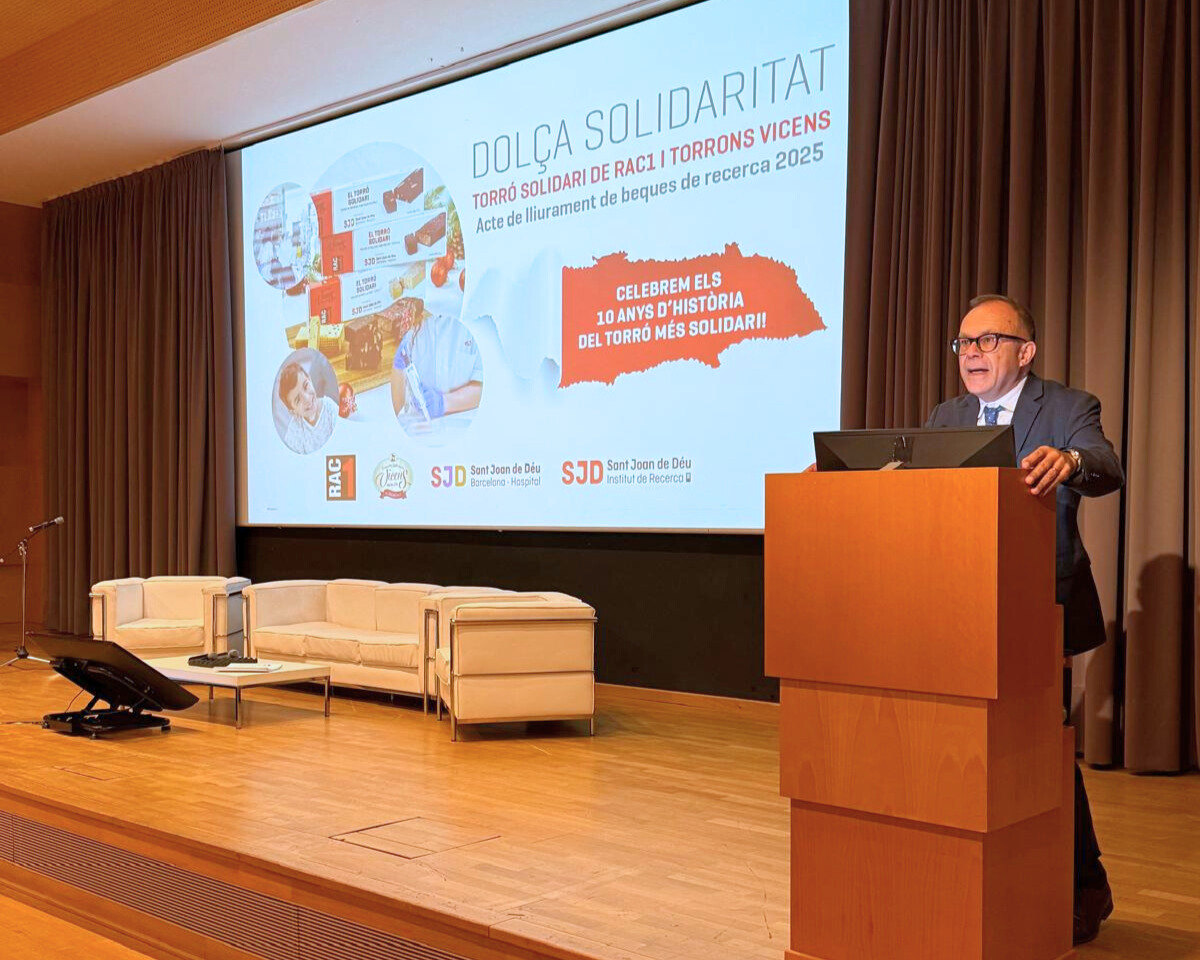
The presentation ceremony for the Solidarity Nougat Grants by RAC1 and Torrons Vicens took place yesterday. In this second edition, the Institute for Bioengineering of Catalonia (IBEC) has been selected to co-lead two of the four winning projects. The 2025 call aims to stimulate research and innovation in rare paediatric diseases at the SJD Barcelona Children’s Hospital, as part of the ‘ÚNICAS’ project.
Ref: FPI_SS // Deadline: 29/10/2025