An international study co-led by IBEC identifies the genes that protect against kidney diseases
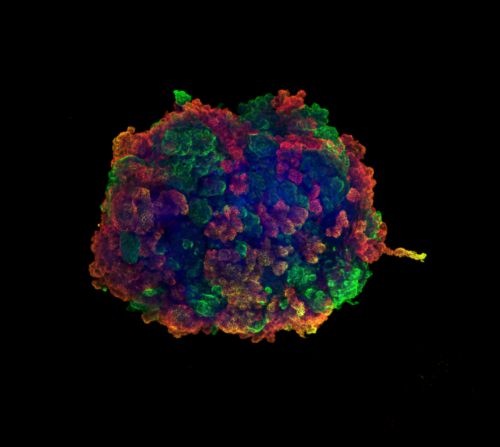

Hydrogel co-networks of gelatin methacryloyl and poly(ethylene glycol)diacrylate sustain 3D functional in vitro models of intestinal mucosa Anna Vila Giraut, Biomimetic systems for cell engineering Group Conventional in vitro cell culture … Read more
Targeting strategies against Plasmodium and practical applications: blocking parasite development with heparin derivatives and identifying new aptamers for diagnosis Elena Lantero, Nanomalaria Group This thesis defense will take place ONLINE … Read more

Giving Centre Stage to Top-Down Inhibitory Mechanisms for Selective Attention Sock Ching Low, SPECS (Synthetic, Perceptive, Emotive and Cognitive Systems) Selective attention determines the sensory signals that are processed at … Read more

Characterization and interpretation of cardiovascular and cardiorespiratory dynamics in cardiomyopathy patients Javier Rodriguez Benítez, member of Biomedical Signal Processing and Interpretation (BIOSPIN) Group Friday 4th December 2020, at 11.00 am … Read more
 Application Deadline: 23/12/2020
Ref: LT-SaM
The Signal and information processing for sensing systems group at the Institute for Bioengineering of Catalonia (IBEC) is looking for Laboratory Technician .
Discovery of protein aggregation in Plasmodium parasites and development of a combinational antimalarial therapy at the nanoscale Arnau Biosca, Nanomalaria Group This thesis defense will take place ONLINE on the … Read more