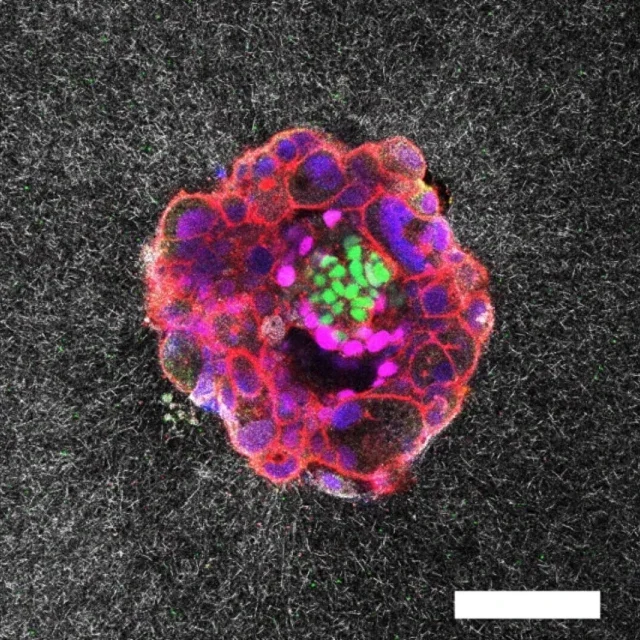
The Guardian: Scientists capture first footage of human embryo implanting in a uterus
Groundbreaking footage shows ‘surprisingly invasive’ process and may help to improve infertility treatments
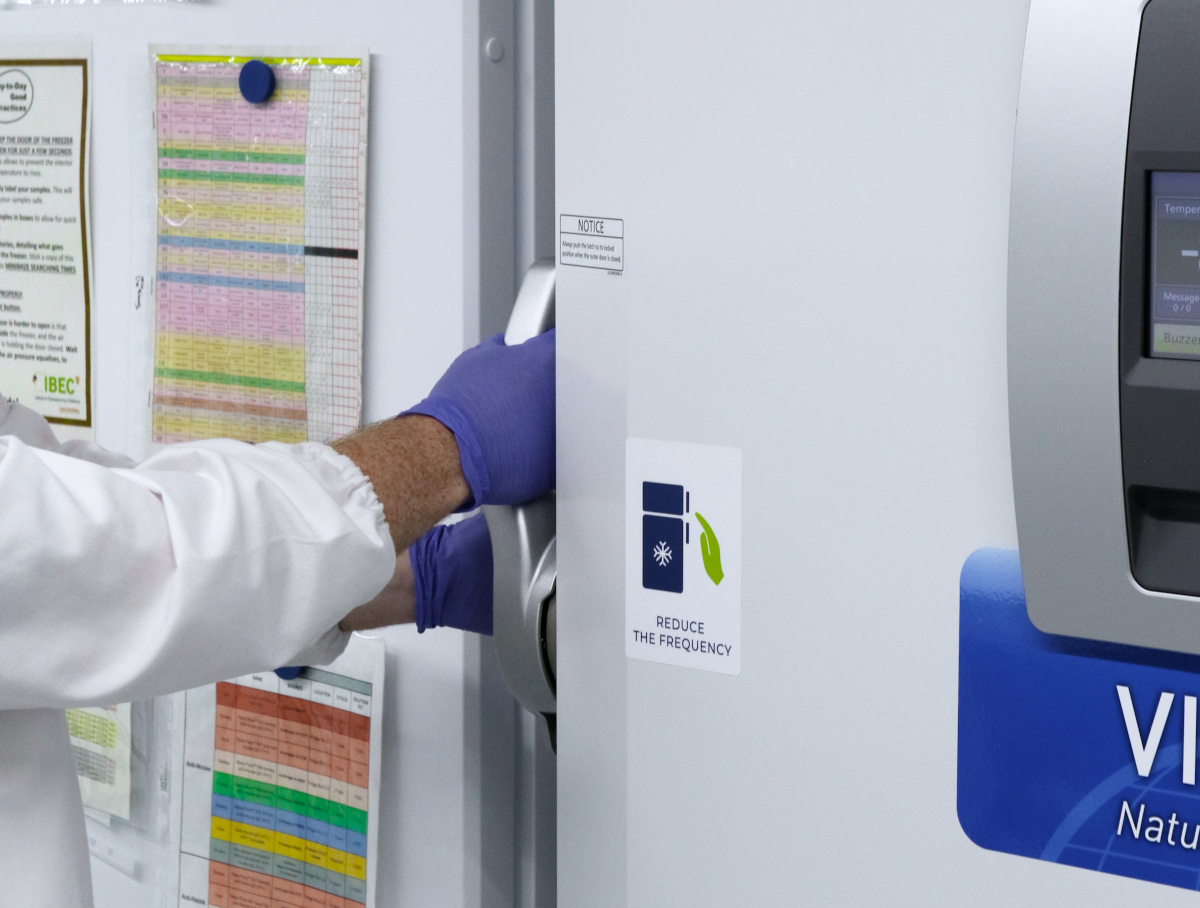
Seven more research groups at the Institute for Bioengineering of Catalonia (IBEC) have been certified by My Green Lab, reaching the highest rating, the Green Level, for sustainable laboratory practices. With these additions, IBEC core facilities and 70% of the Institute’s laboratories are now certified.
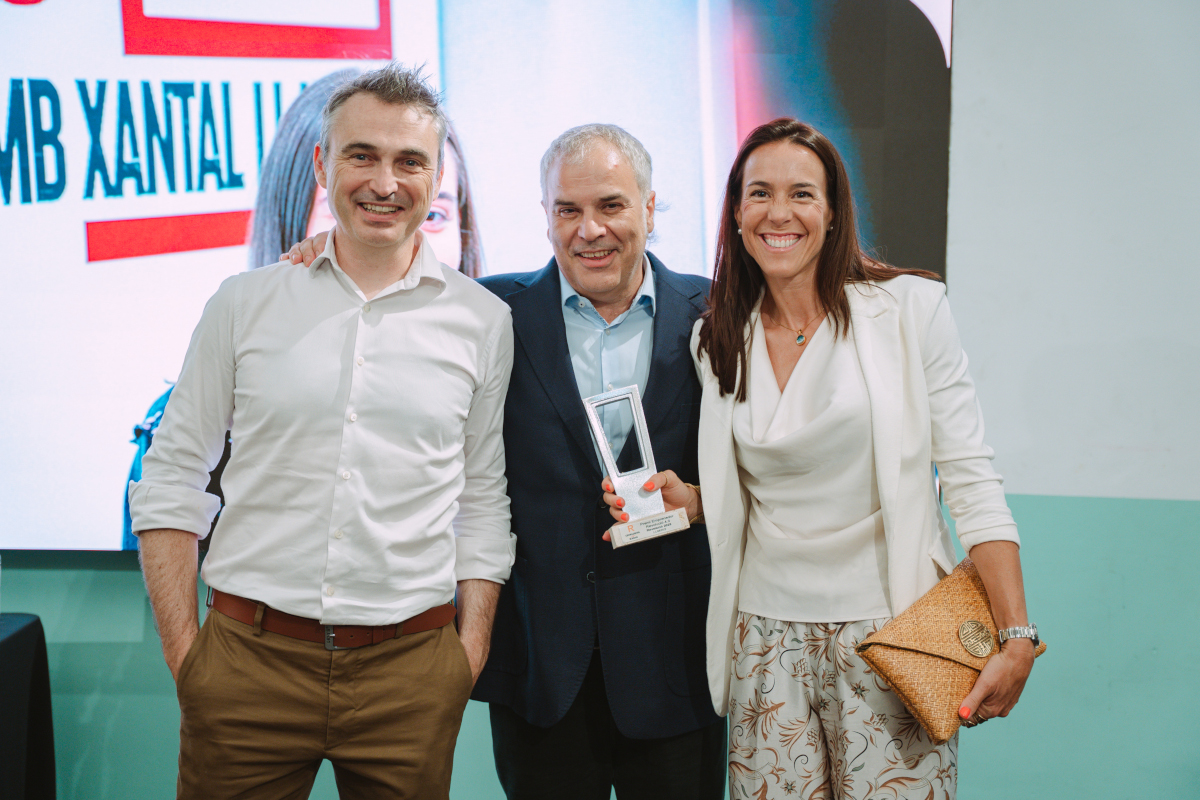
The 7th edition of the Premis Emprenedors Digitals (Digital Entrepreneur Awards), organised by the Catalunya Ràdio programme, took place on Wednesday 18 June at the Antigua Fábrica Damm in Barcelona. The award recognises companies that have demonstrated exceptional growth and innovation in their field.
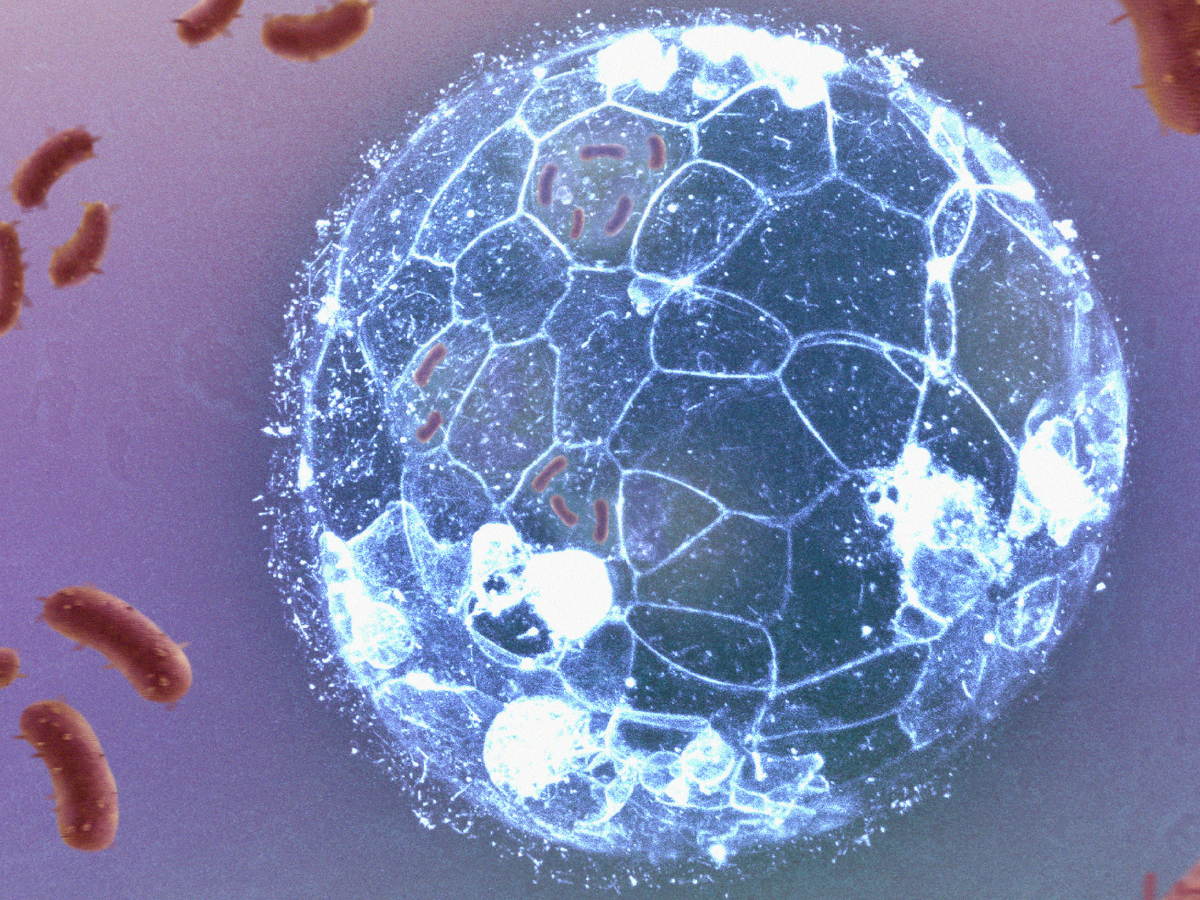
The work, led by a team from the CSIC and IDIBELL, with the collaboration of IBEC, manages to visualise how embryonic cells eliminate bacterial infections, before the formation of the immune system. The research describes a mechanism of phagocytosis similar to that used by white blood cells, and reveals that this mechanism is also present in human embryos.
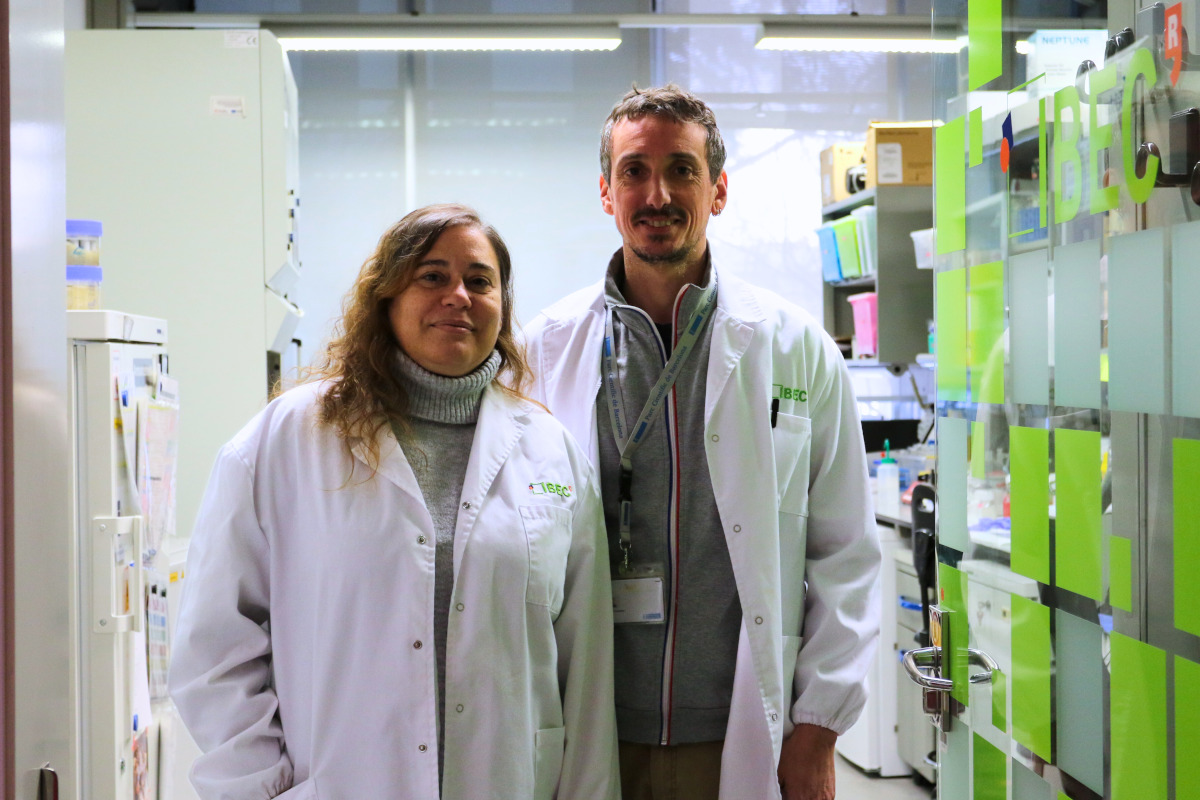
An IBEC-led study describes the development of an innovative method to control the formation of crypt-like structures and villi in the intestine using a contact protein printing technique. This model will make it possible to study in detail key processes such as cell regeneration or changes associated with diseases such as cancer and chronic inflammatory disorders.
Lumiris es una empresa derivada del Instituto de Bioingeniería de Cataluña que ha desarrollado una tecnología no invasiva para analizar el metabolismo de embriones humanos, permitiendo seleccionar los más aptos … Read more
El diagnóstico por imagen del IBEC reduce el tiempo y los ciclos de tratamiento de la fecundación in vitro. Su última ronda eleva a seis millones la financiación lograda para … Read more
This spin-off from the Institute for Bioengineering of Catalonia has developed a non-invasive technology that analyses the metabolism of human embryos to select the most suitable ones for implantation. This innovation promises to significantly reduce the time and number of treatment cycles required for in vitro fertilisation. The success of LUMIRIS’ technology has led to a new round of investment of €1.5 million, bringing the total to €6 million since the company was founded in 2023.