The BIST Forum 2026 brought together scientists and representatives from academic, economic and social institutions to discuss how frontier research can help build Europe’s industries of the future. The event also announced the recipients of the BIST To the Mothers of Science and Ignite programmes.
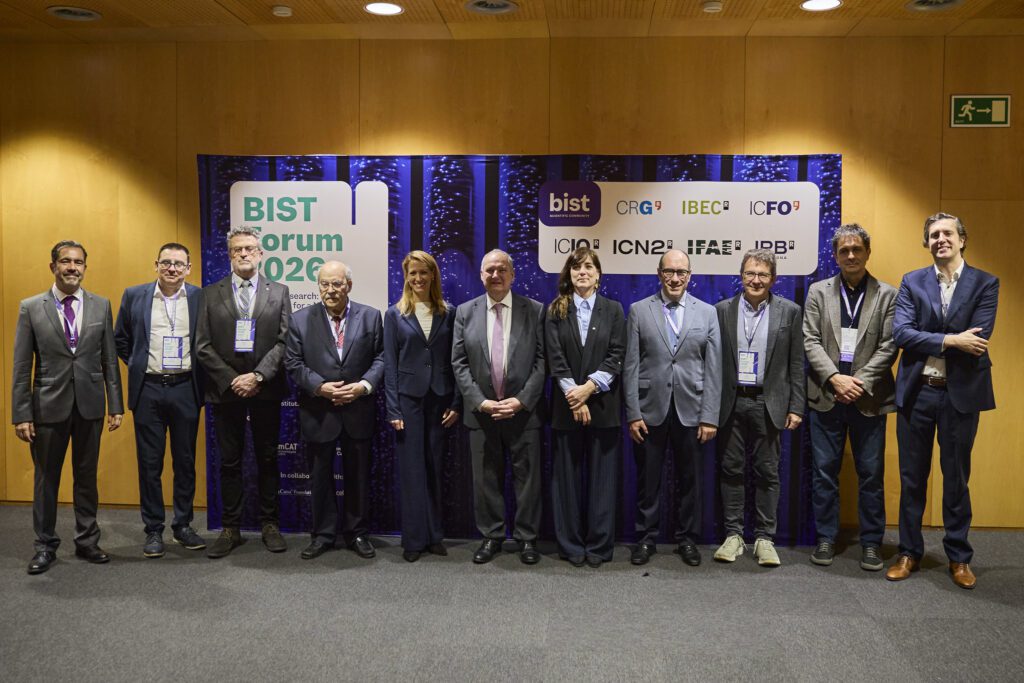
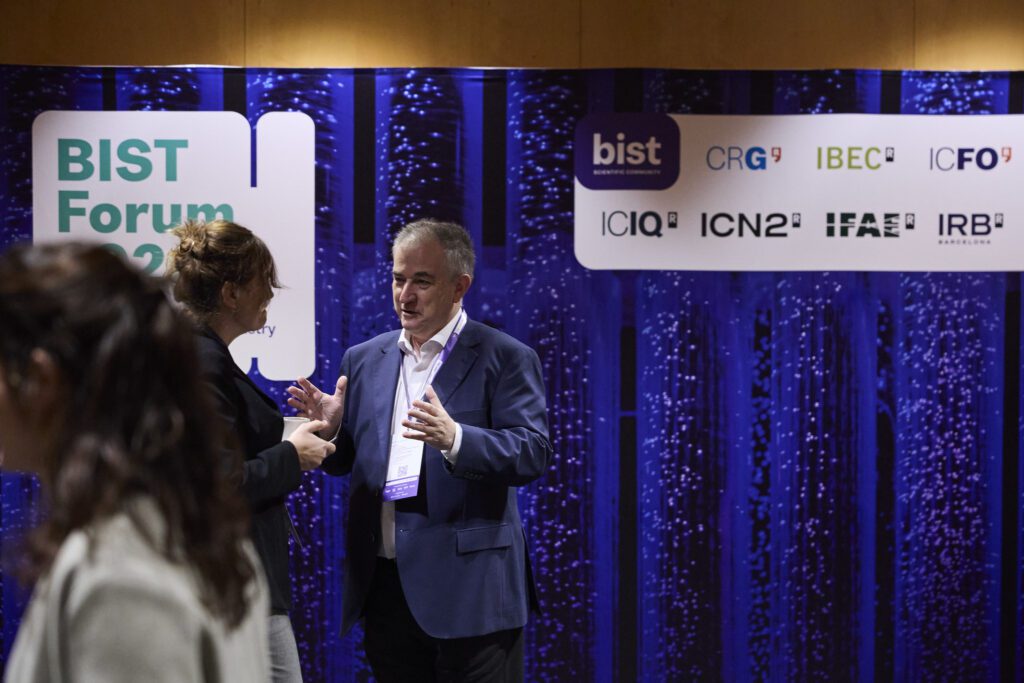
The BIST scientific community, which brings together seven frontier research centres in Catalonia, gathered on 6 March for its annual meeting, the BIST Forum. This year’s event, entitled Frontier Research: The Foundation for a New Industry, explored the changes needed for frontier research to contribute to Europe’s strategic autonomy and competitiveness, and to foster the creation of the industries of the future, in line with the Draghi Report.
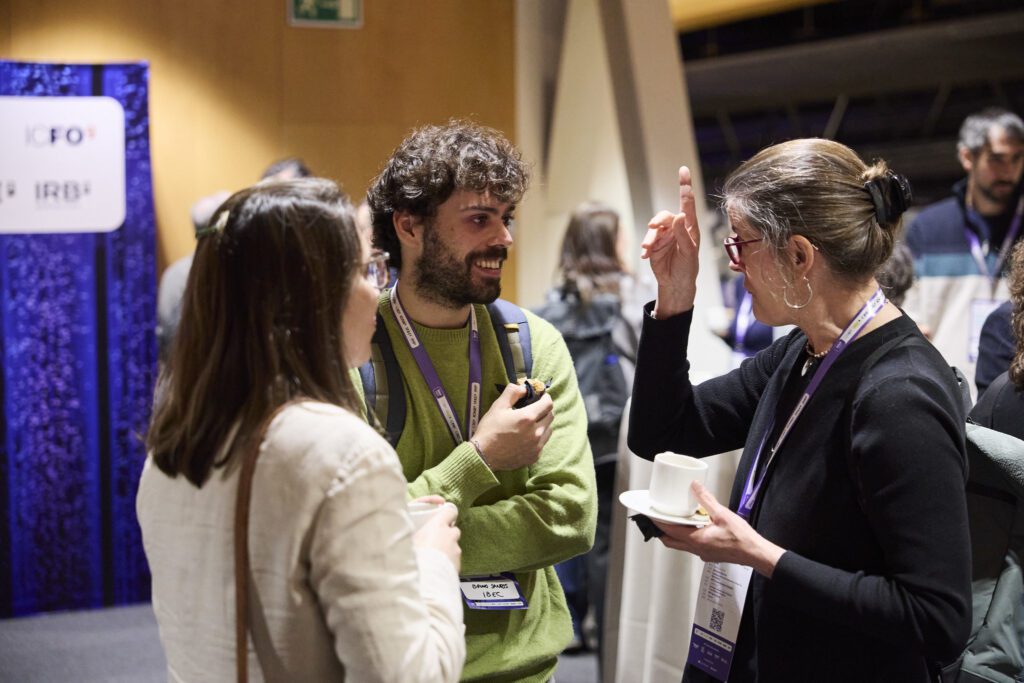
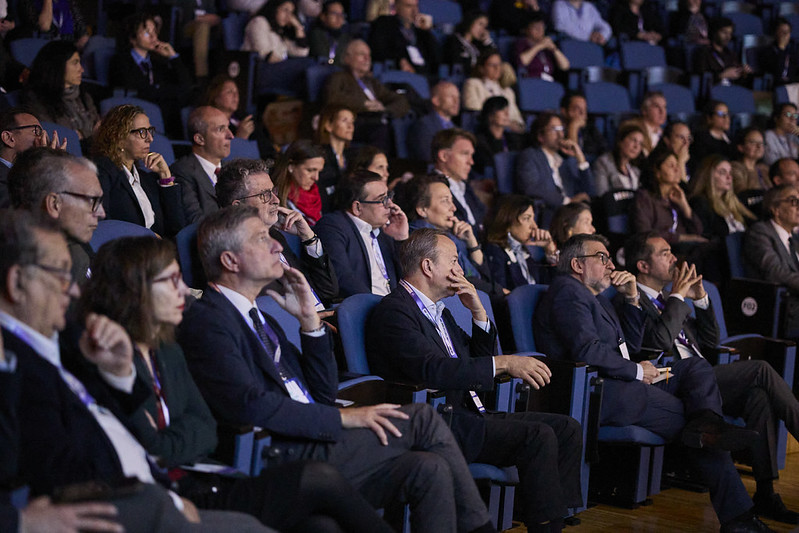
The BIST Forum brought together at the CosmocaCaixa (Barcelona) more than 200 participants from the scientific, political, economic and social spheres, including university rectors, directors of research centres, representatives from the Cercle d’Economia and Foment del Treball, investment funds, and researchers from the seven centres that make up the BIST community (CRG, IBEC, ICFO, ICIQ, ICN2, IFAE and IRB Barcelona).
According to Nadia Calviño, President of the European Investment Bank (EIB), “Europe is a true powerhouse. We have centres of excellence in areas such as quantum technologies and industrial robotics, as well as a highly dynamic ecosystem of start-ups and venture capital. If we join forces across the public and private sectors, Europe has all the potential it needs to address the major challenges of the future while continuing to generate prosperity and security for its citizens.”
Calviño also emphasised that the current turbulent global context makes this “Europe’s moment: it is a trusted reference point for investors and has enormous potential to mobilise capital and channel savings towards productive investment”.
In his remarks, Spanish Minister for Industry and Tourism Jordi Hereu highlighted frontier research as “the foundation both for the new industries that are emerging and for transforming the industrial sectors that sustain our economy”. He also stressed the need for “better regulation” to accelerate the integration of new knowledge into industry.
For Catalonia’s Minister for Research and Universities Núria Montserrat, “Catalonia has a very strong scientific base, but we still need to strengthen our capacity to turn research into innovation, and innovation into industry. To achieve this, we need shared strategies that make knowledge transfer a true engine of development.”
Finally, Barcelona Deputy Mayor M. Eugènia Gay referred to the city as “one of the leading scientific ecosystems in southern Europe”, working to generate impact “beyond the laboratory and to respond to global challenges such as artificial intelligence, climate change and health”. The cities that will lead the future, she concluded, will be “those capable of training, retaining and connecting talent”.
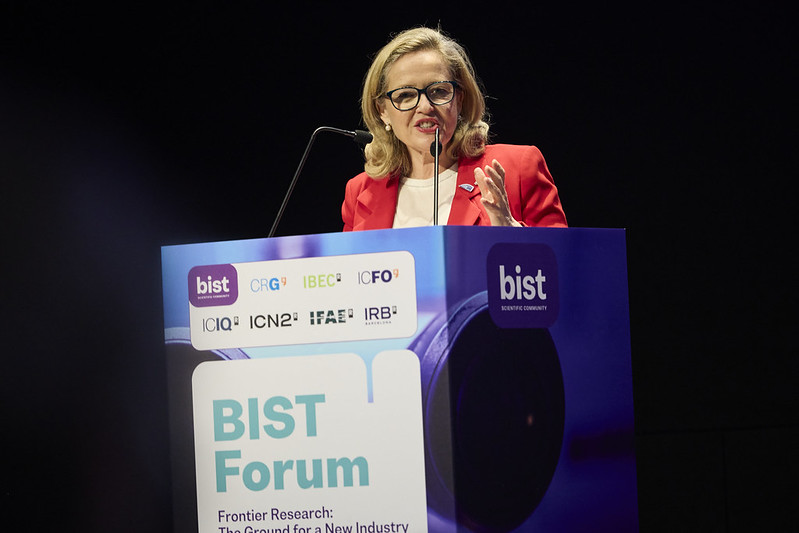
Fundamental frontier research as a driver of innovation
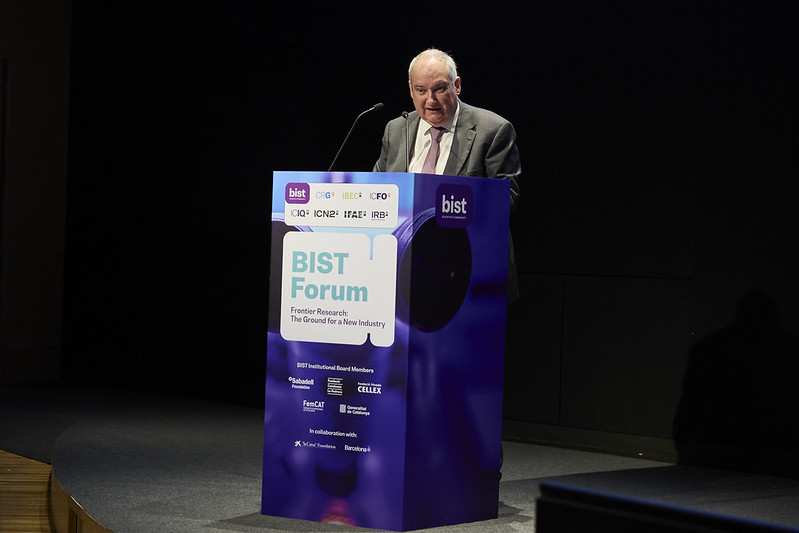
Calviño was one of the participants in a roundtable discussion analysing the organisational, regulatory and funding conditions required to support this new wave of disruptive industry emerging from scientific discoveries and technological inventions.
Alongside Calviño, the discussion featured Teresa Garcia-Milà, President of the Cercle d’Economia, Carolina Aguilar, CEO and co-founder of the ICN2 spin-off INBRAIN Neuroelectronics, and Gábor M. Lamm, Managing Director of EMBL Enterprise Management Technology Transfer GmbH. The session was moderated by BIST Director General Eduard Vallory.
One of the key points raised was that Europe lags behind the United States in bringing research to market. Participants also emphasised that, for research to generate tangible economic and social impact, knowledge transfer must be both accelerated and properly funded. The speakers agreed that “fundamental frontier research is the engine of innovation”, while also stressing the importance of collaboration between public institutions and industry.
To illustrate the BIST community’s capacity to generate impact, the event presented three examples of research lines currently delivering disruptive solutions in areas such as the semiconductor industry, cancer treatment and the decarbonisation of industry.
The gender gap: a persistent challenge limiting innovation
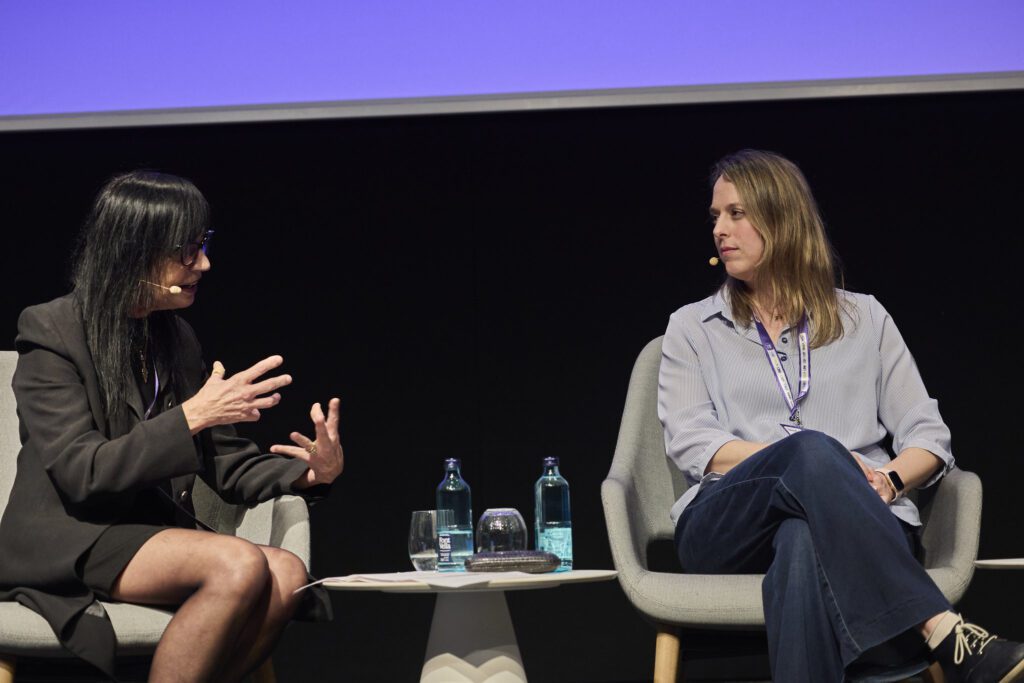
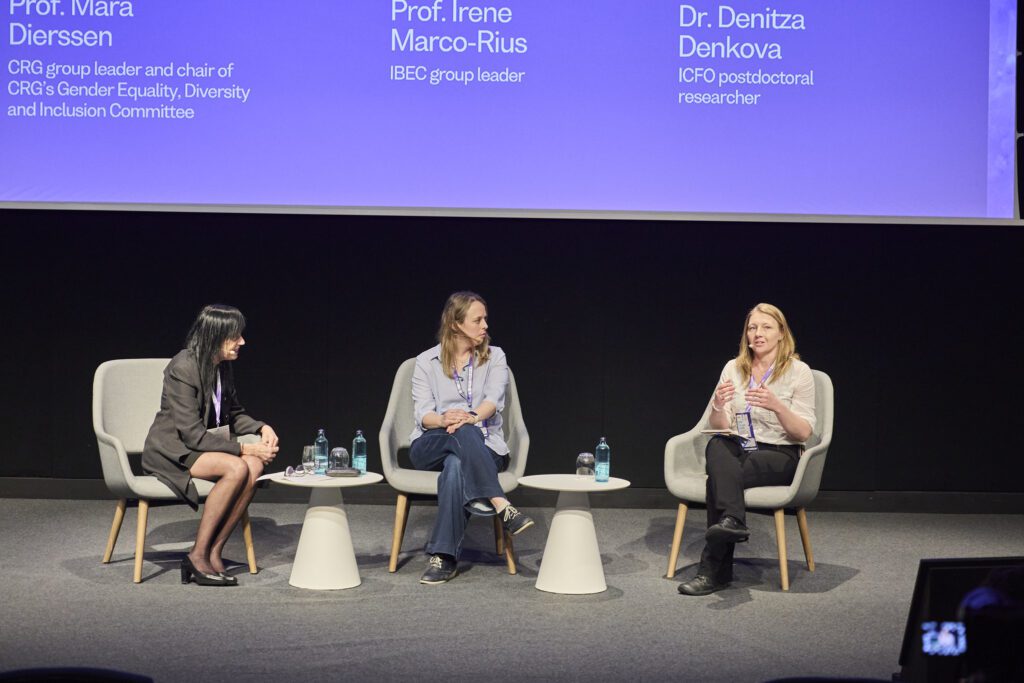
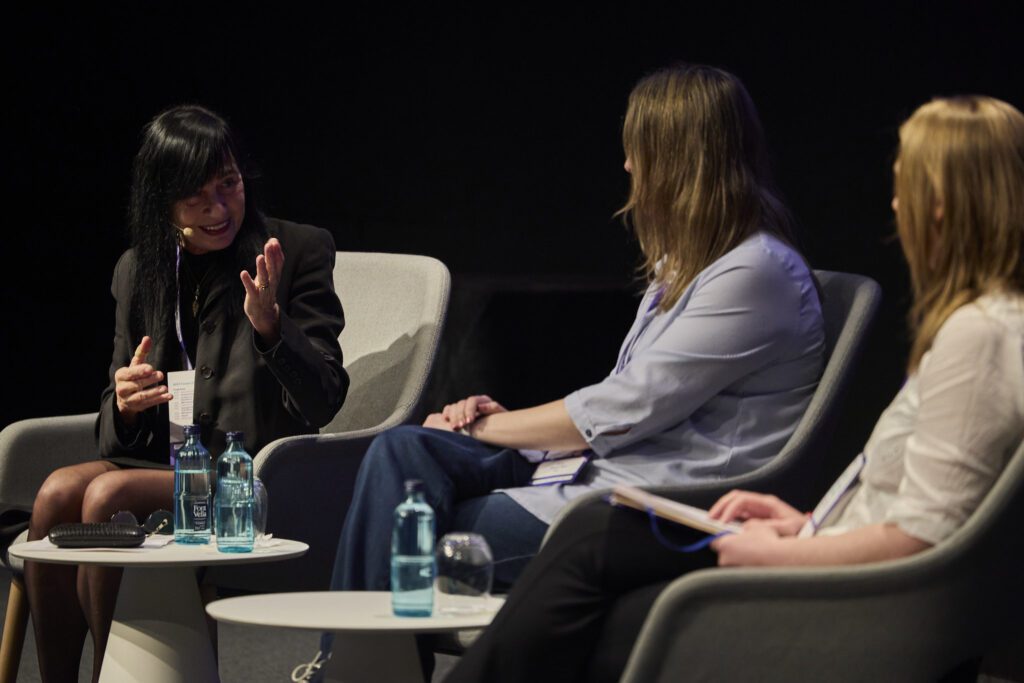
The BIST Forum also addressed the gender gap that still persists in leadership positions within STEM disciplines (science, technology, engineering and mathematics). A roundtable featuring two scientists who lead research groups — Mara Dierssen (CRG) and Irene Marco-Rius (IBEC) — together with Denitza Denkova, currently a postdoctoral researcher at ICFO and soon to lead her own group, discussed the structural factors behind the gradual decline in the proportion of women as scientific careers progress, a phenomenon known as the “leaky pipeline”.
One such structural factor is motherhood. To support scientist mothers who wish to advance in their research careers, BIST launched the To the Mothers of Science programme in 2018. Through this initiative, scientists from the BIST community can receive a one-year fellowship together with leadership coaching.
“This programme provides invaluable peer-to-peer support, a strong professional network, tailored coaching, and financial assistance at key moments of a researcher’s career.”, said Marco-Rius, one of the winners of the programme’s second dition.
This year’s awardees were announced in a video presented during the BIST Forum. Three of them are IBEC researchers: Silvia Pittolo, Amélie Godeau and Yolanda Castillo-Escario.
BIST Ignite Awards to promote multidisciplinary frontier research
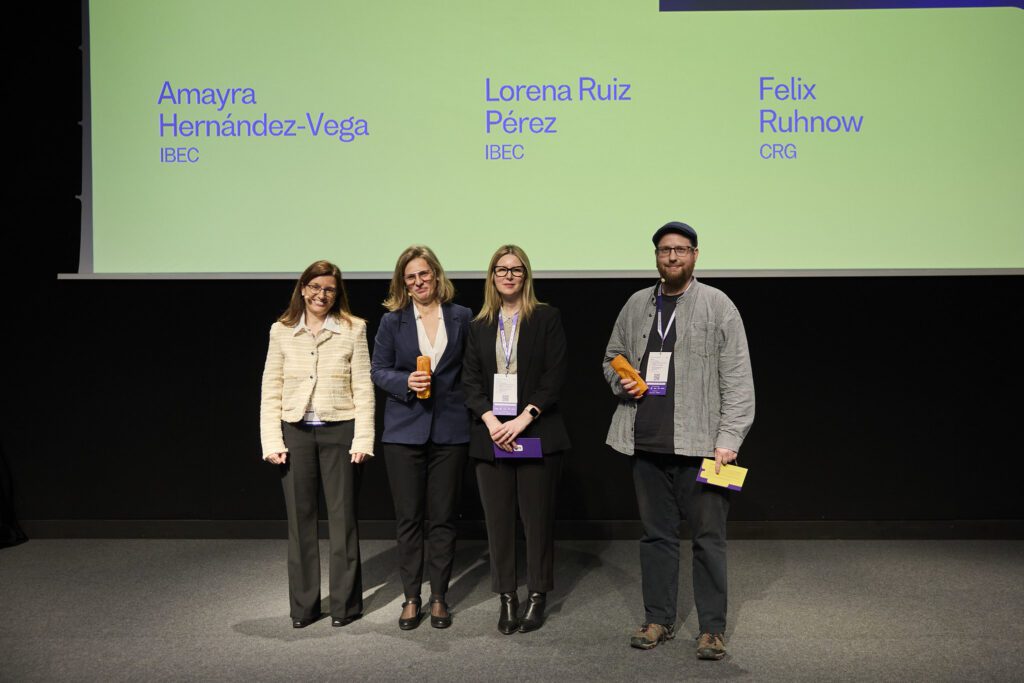
Towards the end of the event, the BIST Ignite Awards were presented to two research projects led by investigators from different BIST centres and disciplines.
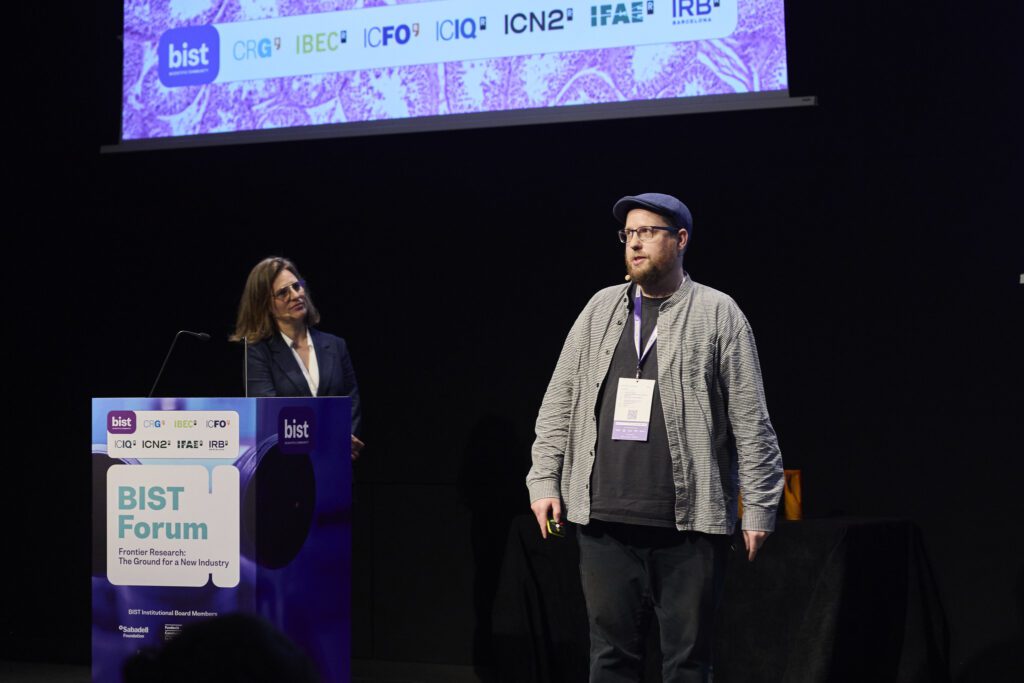
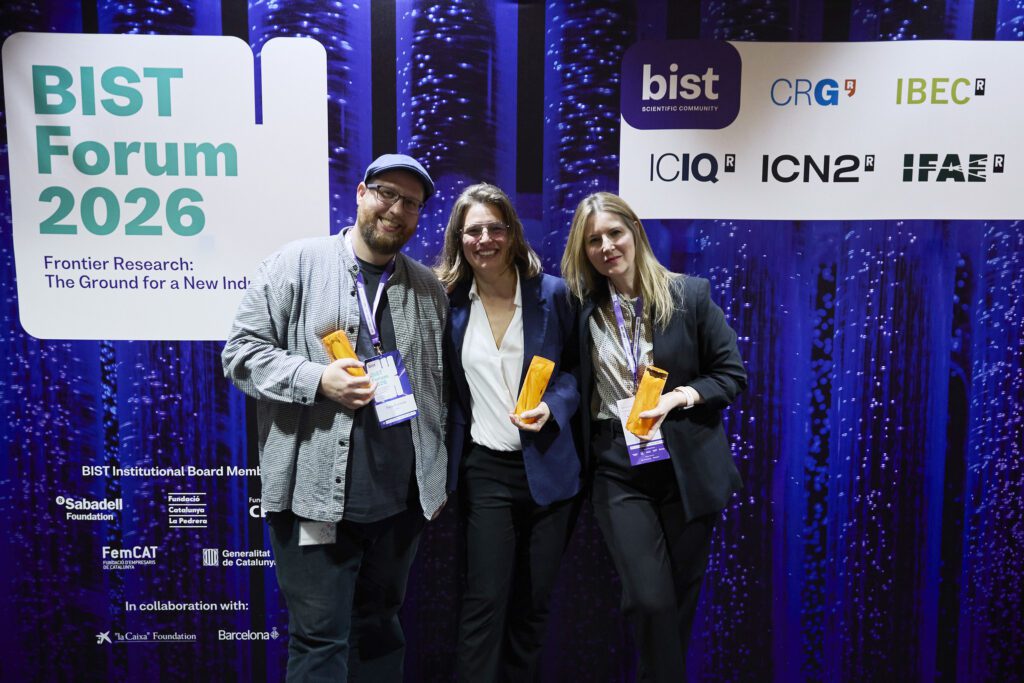
The BIST Ignite programme supports new multidisciplinary collaborations within the BIST Community and helps promising research ideas develop beyond their initial stages. Through the Ignite Awards, selected teams receive €50,000 to continue advancing their joint projects over an additional year. At the BIST Forum, the two awarded teams presented the progress made so far and outlined their objectives for the coming year. The projects, MAPtoFinAD (led by Amayra Hernández-Vega, IBEC) and BREATHCO2, address two major challenges: understanding the causes of Alzheimer’s disease and developing new ways to decarbonise industry by transforming captured carbon dioxide into chemical products currently derived from petroleum.
The five projects selected in this year’s seed phase of the programme were also introduced in a video presented during the event. Two of them co-led by IBEC researchers:
- MeCanFP: Decoding mechanical fingerprints of cancer: from membrane mechanics to nuclear remodelling, lead by Anabel-Lise Le Roux (IBEC) and Joaquim Torra (ICFO).
- MOCAChip: A Three-Dimensional Multi-Organ Platform to Model Cancer-Associated Cachexia, led by Chiara Ninfali (IBEC) and Marc Beltrà Bach (IRB Barcelona).