
IBEC celebrates COPD breakthroughs on World COPD Day

 IBEC’s Biomedical Signal Processing and Interpretation (BIOSPIN) group have published a paper with King’s College London that offers new techniques to monitor COPD patients by non-invasive methods.
 IBEC’s Biomedical Signal Processing and Interpretation (BIOSPIN) group have published a paper with King’s College London that offers new techniques to monitor COPD patients by non-invasive methods.
COPD – chronic obstructive pulmonary disease – is a progressive lung condition with no cure in which the patient’s airways become narrowed. Together with other mechanical abnormalities, airways obstruction increases the load on the respiratory muscles. This, in combination with respiratory muscle weakness in COPD patients, increases load-capacity imbalance and contributes to breathlessness. The IBEC group’s paper elucidates a new way of assessing inspiratory muscle function using mechanomyography, a non-invasive measure of muscle vibration associated with muscle contraction, jointly with surface electromyography.
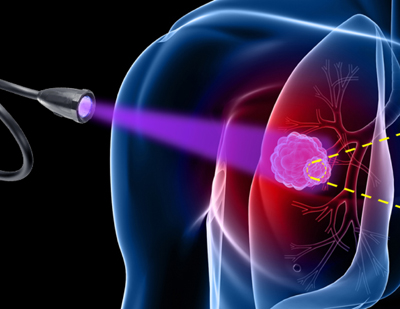
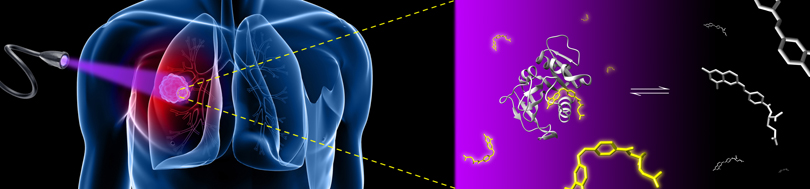 Researchers at IBEC and IDIBELL have developed a light-regulated molecule that could improve chemotherapy treatments by controlling the activity of anticancer agents.
 One of the most enviable features of superheroes is their ability to stretch their bodies beyond imaginable limits. In a study published today in Nature, scientists have discovered that our cells can do just that.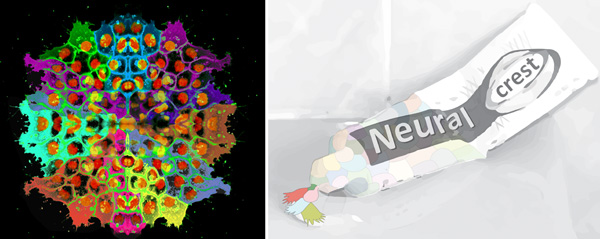
 The embryonic stem cells that form faces – neural crest cells – use an unexpected mechanism to develop our facial features, according to a new UCL-led study involving IBEC researchers.

 The Signal and Information Processing for Sensing Systems group have revealed a new analytical technique that can be used to measure cannabinoids in plants and tobacco.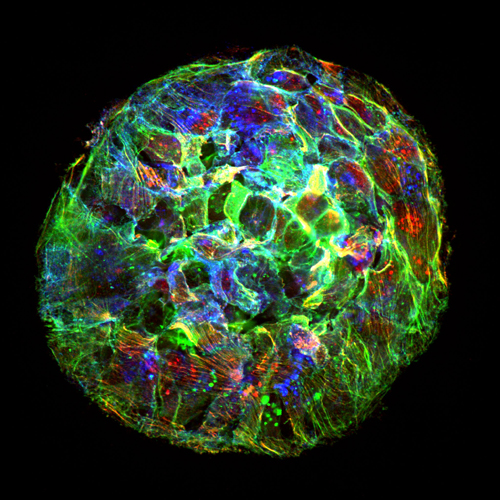
 Researchers from IBEC and UB have discovered that the way tumor cells expand defies the laws of physics.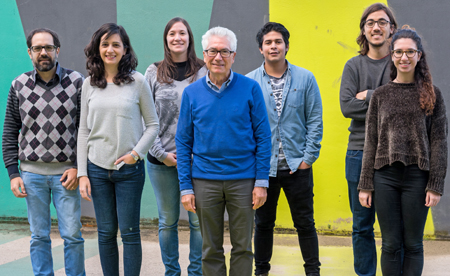
 A study published in the American Journal of Respiratory and Critical Care Medicine has revealed that sleep apnea could promote the growth of lung cancer in younger individuals.
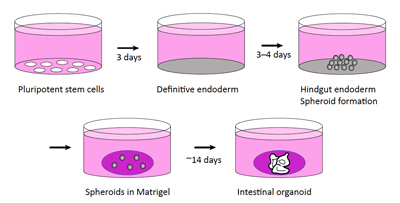 IBEC’s
 A review by IBEC group leader and ICREA research professor Xavier Trepat is one of six featured in Nature Physics’ latest ‘Insight’ issue, ‘The Physics of Living Systems’, in which all the articles have been co-authored by a physicist and a biologist.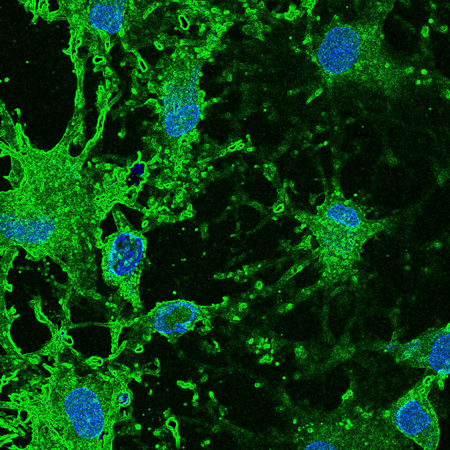
 IBEC’s Biomaterials for Regenerative Therapies group has published a review of the state-of-the-art in biomaterials for skin healing that proposes a move towards more personalized, in situ therapies.