Moldless approach to generate 3D intestinal tissue model using hydrogels
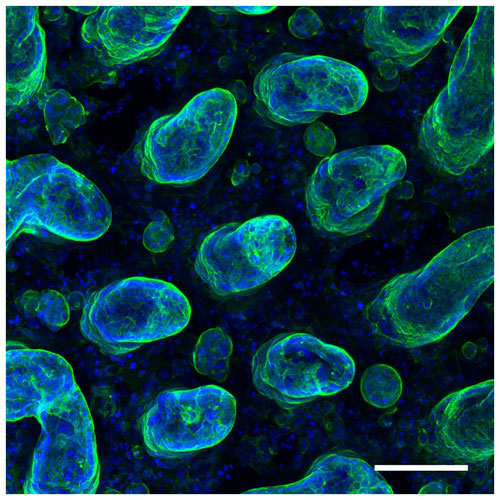
The Biomimetic systems for cell engineering group has developed a new method to generate 3D intestinal tissue using hydrogels. This new in vitro model has been improved by providing cells with a more physiologically realistic environment, including tissue architecture, cell-matrix interactions and chemical signalling while remaining compatible with standard cell characterization techniques.
Epithelial tissues contain complex three-dimensional microtopographies that are essential for their proper performance. These 3D microstructures provide cells with the physicochemical and mechanical signals needed to guide their self-organization into functional tissue structures and are key to their proper functioning.
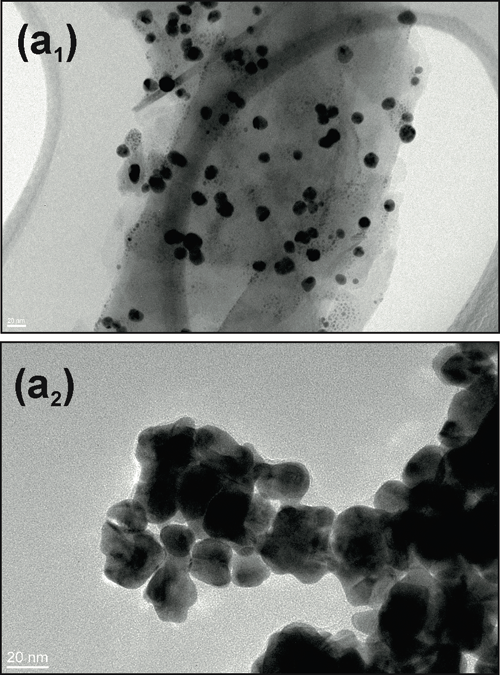
 The Bacterial Infections: Antimicrobial Therapies group from IBEC, led by Eduard Torrents, has designed a new method that, for the first time, makes it possible to check antimicrobial treatment efficacy in the presence of nanoparticles.This new technique has recently been published in the Journal of Nanobiotechnology..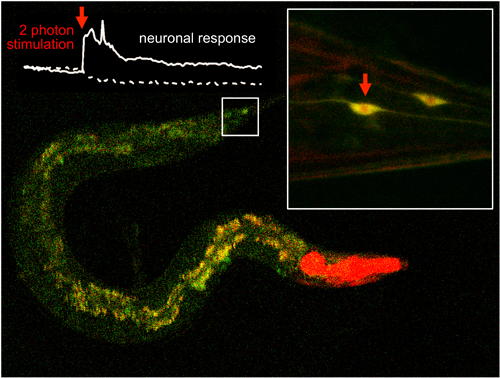
 A scientific team led by IBEC and UAB manages to efficiently activate molecules located inside cell tissues using two-photon excitation of with infrared light lasers. The results of the study has been published in Nature Communications.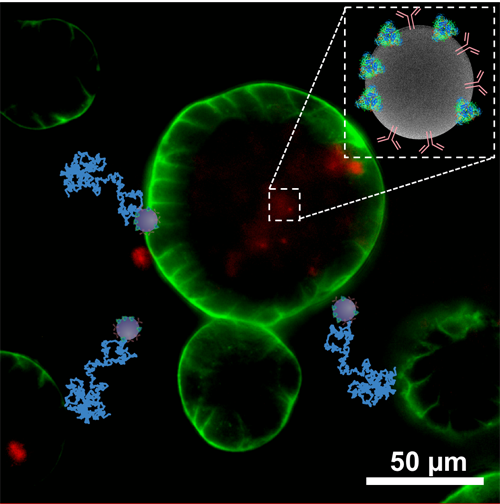
 IBEC’s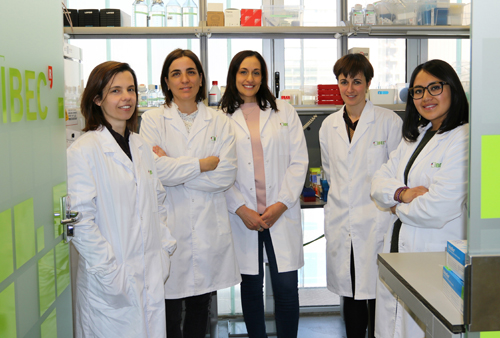
 Researchers from the IBEC have created, for the first time, 3D organoid cultures from pluripotent stem cells, which resemble human embryonic kidney tissue during the second trimester of pregnancy.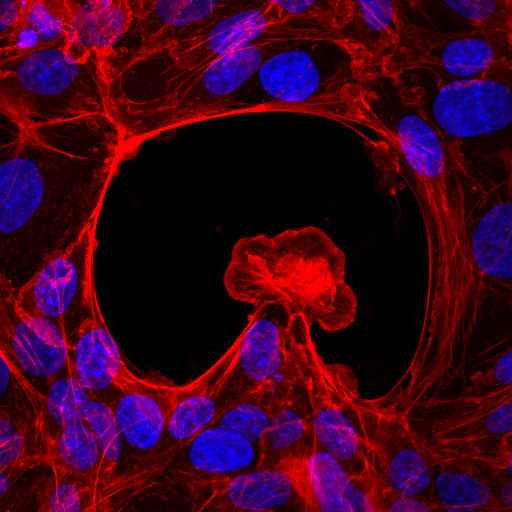
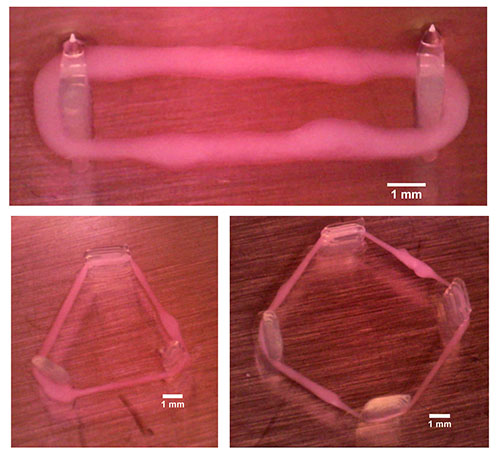
 IBEC’s Smart Nano-Bio-Devices group – the institute’s experts in micro- and nanorobots – have used 3D bioprinting to produce ‘biorobots’ made of biological elements such as muscle tissue.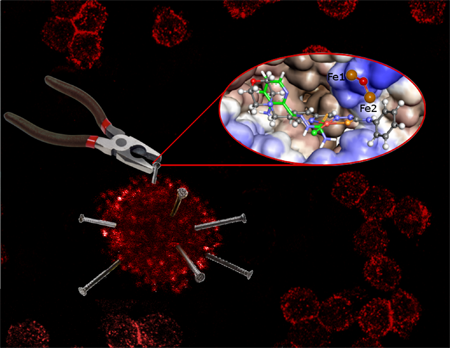
 IBEC’s Bacterial infections: antimicrobial therapies group have published two papers offering new hope in the urgent search for antimicrobials.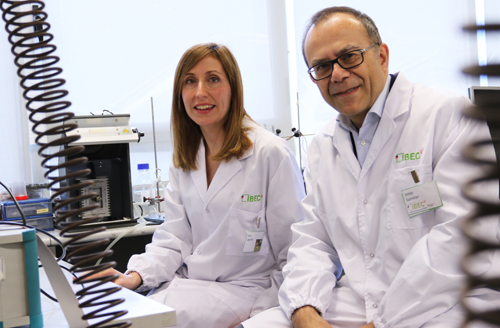
 Collaborating IBEC groups have published a study in Nature Communications that reveals that electron transfer can take place while a protein is approaching its partner site, and not only when the proteins are engaged, as was previously thought.