Josep Samitier talks about how the redistribution of funds will affect research
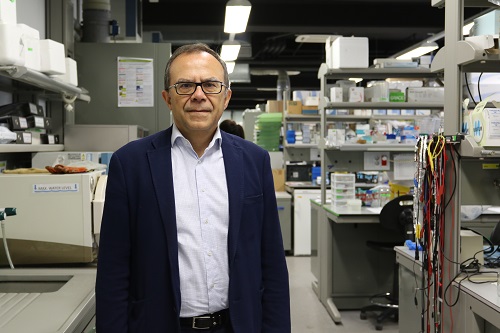

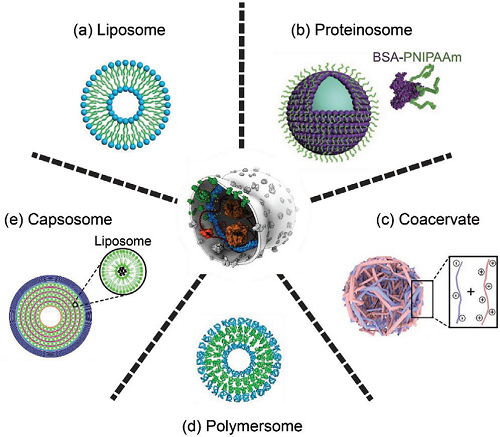
Samuel Sánchez, Group Leader at the Institute for Bioengineering of Catalonia (IBEC) co-authored this piece, alongside world-renowned experts in bioengineering and cell synthesis.

Application Deadline: 15/07/2020
Ref: SR-SO
The Bioengineering in reproductive health group at the Institute for Bioengineering of Catalonia (IBEC) is looking for a Senior Scientist to develop a project in collaboration with the industry.
The project involves investigate the molecular mechanisms affected by specific chemical treatments on endometrial receptivity and on mouse and human embryos in culture. We aim to combine the expertise in microscopy of the lab with embryology tools to understand the morphological and molecular modifications that lead to an increase in endometrial receptivity. An ideal candidate will have experience in the mouse or human embryology field and will know basic tools of molecular biology. The candidate will have a great degree of independence to coordinate the project, competitive salary and funding to outsource several tests (i.e. sequencing, histology etc.).
Our laboratory is a multidisciplinary environment where biologists, biophysicists, clinicians and business developers synergize to create a unique environment shaped by science and entrepreneurship. Due to the high translational component of our research, we have established collaboration contracts with the pharma industry, hospitals and venture capital to bring our technology to the clinics and the market.
In our lab we use bioengineering methods to create 3D environments that support embryonic development outside of the mother uterus. Our systems are accessible to imaging tools which allow us to interrogate the genetics, metabolomics and mechanics of the embryo in a high throughput manner. Using our systems we are capable to (i) improve embryo culture conditions and (ii) diagnose embryos with improved implantation potential.

 The Institute for Bioengineering of Catalonia (IBEC) is the first research center to take part in the “Creative talent and Business” initiative launched by the Catalan Government.
 Bioengineering involves addressing, understanding and solving highly complex problems in biomedicine. Research in nanomedicine, cell and tissue engineering, and new technologies for health will greatly change the way we face medical challenges.
 Application Deadline: 24/06/2020
Ref: AA-IO
L’Institut de Bioenginyeria de Catalunya (IBEC)requereix incorporar un/-a Assistant Administratiu a la unitat de Core Facilities de l’IBEC, que te la funció de proporcionar serveis i suport diaris relacionats amb la gestió bàsica dels laboratoris, per tal de facilitar la recerca i promoure la interacció i l’intercanvi de coneixement entre científics de l’IBEC.
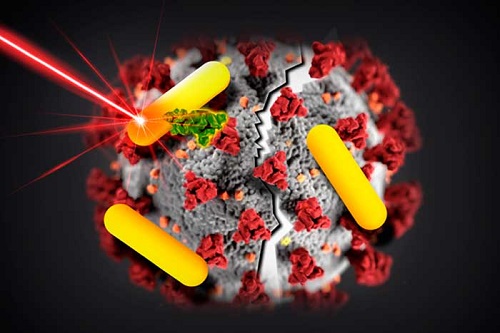
To carry out the investigation, they will be allowed to use the supercomputer installed in France.
Signal and Data Processing Workflows for Untargeted Chemical Analysis: Sensor Array and Mass Spectrometry Analysis of Complex Gas Samples Santiago Marco , IBEC In diverse sectors such as health, food, environment, … Read more
Sensing the matrix: transducing mechanical signals from integrins to the nucleus Pere Roca-Cusachs , IBEC Cell proliferation and differentiation, as well as key processes in development, tumorigenesis, and wound healing, are … Read more
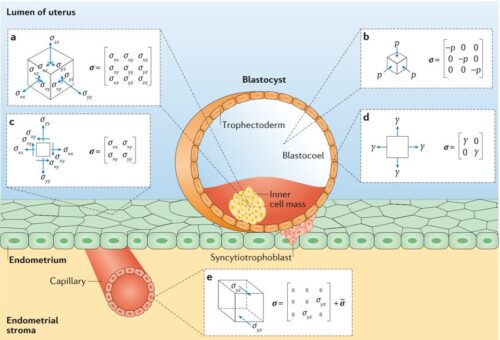
In order to work properly, living tissues need to continuously move, divide, reshape and perceive their microenvironment. In other words, they need to withstand certain mechanical stress derived from contact.
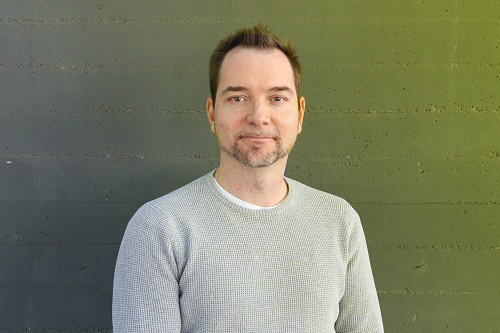
 An international committee has elected Samuel Sánchez, the European referent in nanomotors, as one of the new 13 researchers, among 185 candidates, who will be a member of the Young Academy of Spain.
Last Thursday, May 28, the General Board of the Young Academy of Spain elected 13 new academic members. An independent international committee composed of highly prestigious researchers from different areas of knowledge participated in the selection process.