Irene Marco and Núria Torras from IBEC winners of the second edition of “To the Mothers of Science” programme

 IBEC researchers Irene Marco and Núria Torras, together with eight more female scientists, have won the programme “To the Mothers of Science” organized by The Barcelona Institute of Science and Technology (BIST), supporting them along the way to greater responsibility positions.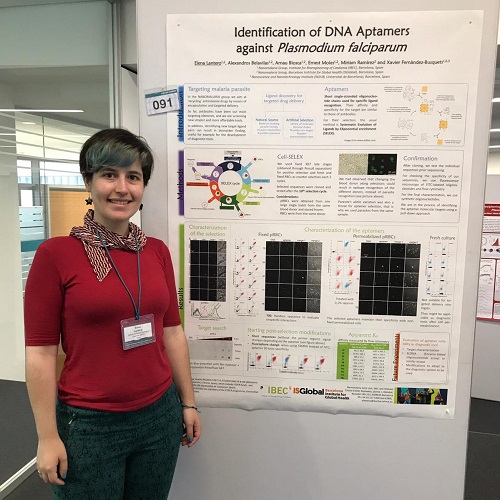
 The project led by IBEC researcher Elena Lantero from Nanomalaria IBEC-ISGlobal Joint Group, gets funding from CaixaImpulse Validate program to develop a new technology for rapid, cheap and efficient diagnosis of a disease which threats millions of people worldwide.
Despite being preventable and treatable, malaria is an infectious disease that threatens the life of 3.2 billion people globally. Only in 2018, an estimated 228 million cases of malaria occurred worldwide, accounting for hundreds of thousands of deaths.
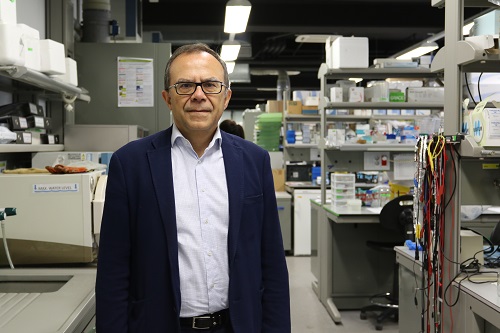
 The Catalan Government announced yesterday the Narcís Monturiol Medal award for scientific and technological merit to the Director of the IBEC, Josep Samitier Martí, for his contribution to the development of the Catalan system of science and technology.
 In total, ten researchers from the Catalan knowledge system (six men and four women) have received this distinction, as well as a research center that has been awarded the Narcís Monturiol Plaque, which recognizes an institution in the country.

 The Institute for Bioengineering of Catalonia (IBEC) has overcome the number of 16k followers on social networks, an impressive increase of 50% since May 2019. Thanks to the new Instagram account and to intensive communicative efforts of the communication unit and the research groups, IBEC is more connected than ever.
 Social networks represent a global phenomenon which has radically change many aspects of communication, also in science. According to AAAS, the number of Americans going online for scientific information increased from 20% to 47% between 2006 and 2014.
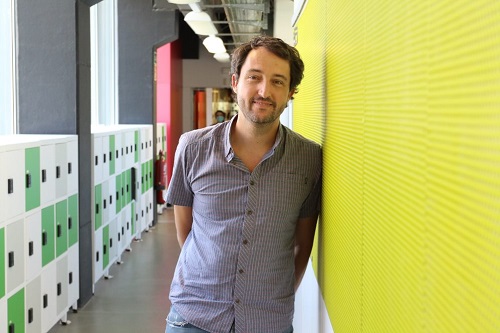
 Pere Roca-Cusachs, group leader at the Institute for Bioengineering of Catalonia (IBEC) and associate professor at the Faculty of Medicine of the University of Barcelona (UB), has been chosen to join the European Molecular Biology Organization (EMBO) , a prestigious network that brings together some of the most brilliant researchers in the world.
 Roca-Cusachs is a pioneer in Europe in the mechanobiology field and in the study of how physical forces affect diseases such as cancer.

 The Bioengineering Institute of Catalonia (IBEC) presents one of its most special findings: the IBEC SUPER-FRIENDS and SUPER-FRIENDS club, a way of being closer to the best bioengineering, of sharing our passion for curiosity, people and the Health.
We are already more than 600 people but we are missing you, what are you waiting for to become our SUPERFRIEND?
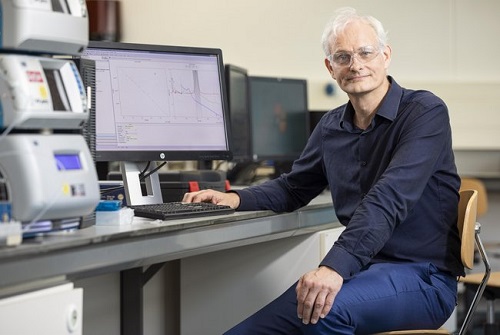
 Polymer chemist Jan van Hest was awarded last June 19th the Spinoza Prize, the highest distinction in Dutch science. Van Hest’s activities include the development of artificial cells and nanomedicines.
 Since 2016 he is director of the Institute for Complex Molecular Systems (ICMS) at the Technical University Eindhoven (TUE). ICMS and IBEC have been collaborating since 2018 and in 2020 they signed a new collaboration agreement.
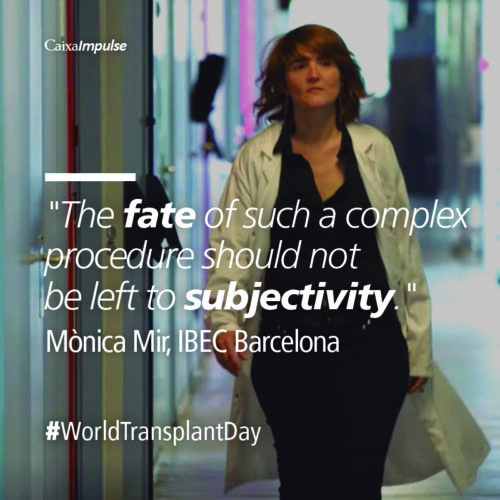
 Dr. Mònica Mir, researcher at the Nanobioengineering Group at IBEC and leader of the Caixa Impulse funded project ISCHEMSURG, explained on World Transplant Day how this electrochemical sensor can monitor ischemia in transplanted tissue thus, improving transplant patients’ quality of life.
The project was born after speaking with medical doctors who told us about the problems they were having monitoring postoperative ischemia—an inadequate supply of blood—in transplanted tissue.
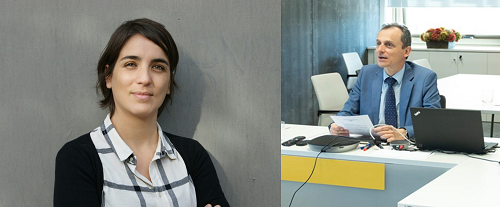
 Nuria Montserrat, Group Leader at IBEC and ICREA Research Professor, meets with the Minister of Science and Innovation, Pedro Duque, to present her ACE2-ORG project, which seeks, by using organoids generated from bioengineering techniques, possible therapeutic solutions against the SARS-CoV-2 virus.
The Minister of Science and Innovation held a videoconference meeting this Thursday, June 18, with the responsibles of five research projects that are working on the development of new technologies to deal with SARS-CoV-2 and which are being financed by the Fund COVID-19, managed by the Carlos III Health Institute (ISCIII).

 The Institute for Bioengineering of Catalonia (IBEC) is the first research center to take part in the “Creative talent and Business” initiative launched by the Catalan Government.
 Bioengineering involves addressing, understanding and solving highly complex problems in biomedicine. Research in nanomedicine, cell and tissue engineering, and new technologies for health will greatly change the way we face medical challenges.