DONATE

IBEC launches the exhibition ‘Open Dialogues’ with three co-creation projects at the intersection of art and science
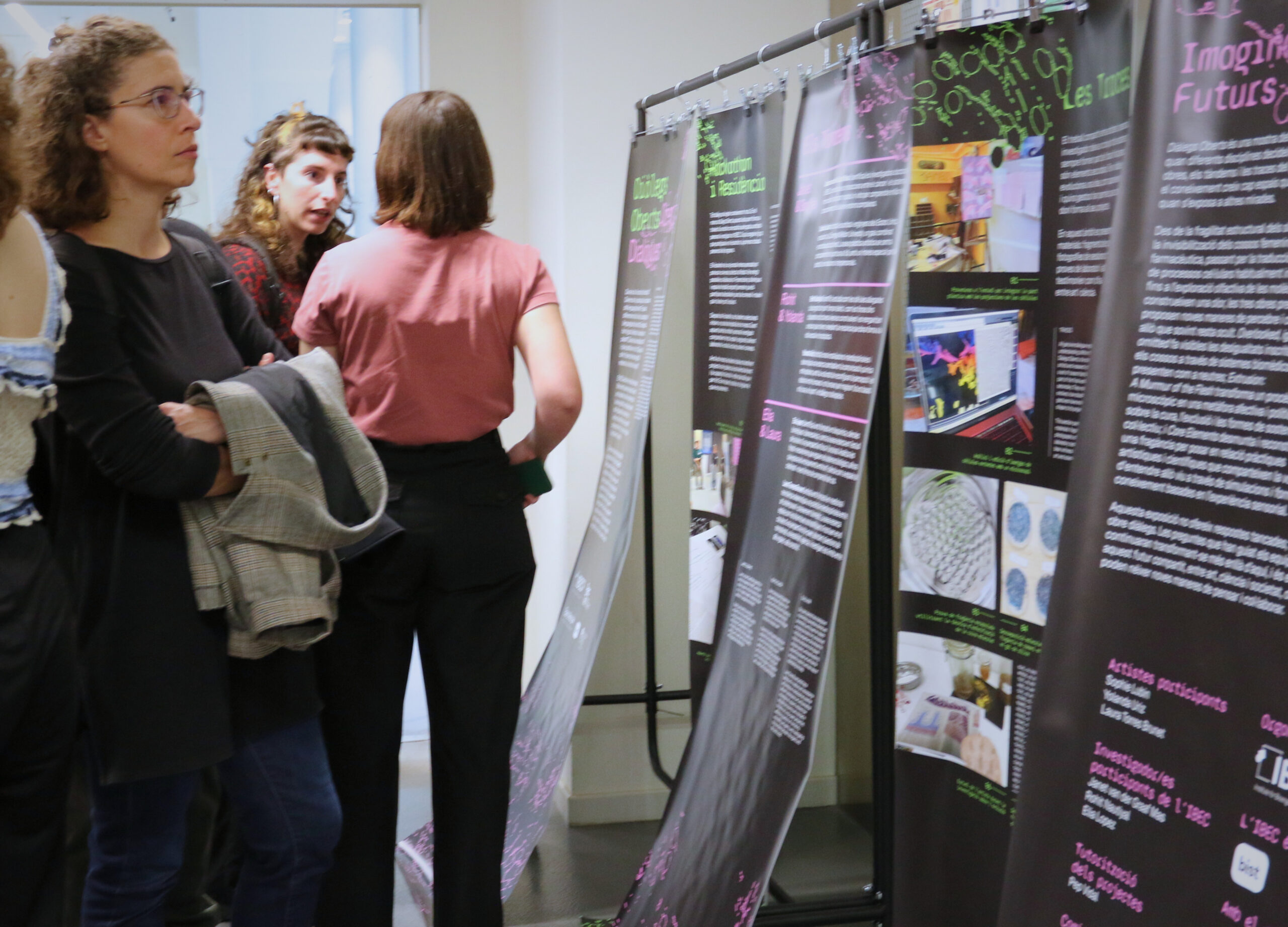
On 13 May, the Institute of Bioengineering of Catalonia opened an exhibition featuring three collaborative works created through the first edition of “Open Dialogues”, a programme that brings together artists and IBEC researchers. Addressing issues such as gender bias in healthcare, the sensory translation of cellular processes and the parallels between artistic and scientific practices based on the olfactory experience, the pieces were created through a dialogue between art and science.

Alumni IBEC – 20 Years of Community

On the occasion of the 20th anniversary of IBEC, we are pleased to invite the entire Alumni community to a special event taking place on June 18th at 5:30 pm at the Auditori Antoni Caparrós (PCB).  … Read more

PhD Discussion: Aina Albajar and Ainhoa Gonzalez

Studying the mechanical regulation of nucleocytoplasmic transport using Single Molecule Tracking Aina Albajar-Sigalé, Cellular and Molecular Mechanobiology Group Cellular function relies on the precise regulation of macromolecular transport between the … Read more

Ibec Seminar: Giorgio Volpe

Steering Self-organization in Active Colloids and Droplets through Confinement Confinement, whether externally imposed or generated by the system itself, plays a central role in shaping the dynamics and self-organization of active matter. In natural systems, such as … Read more

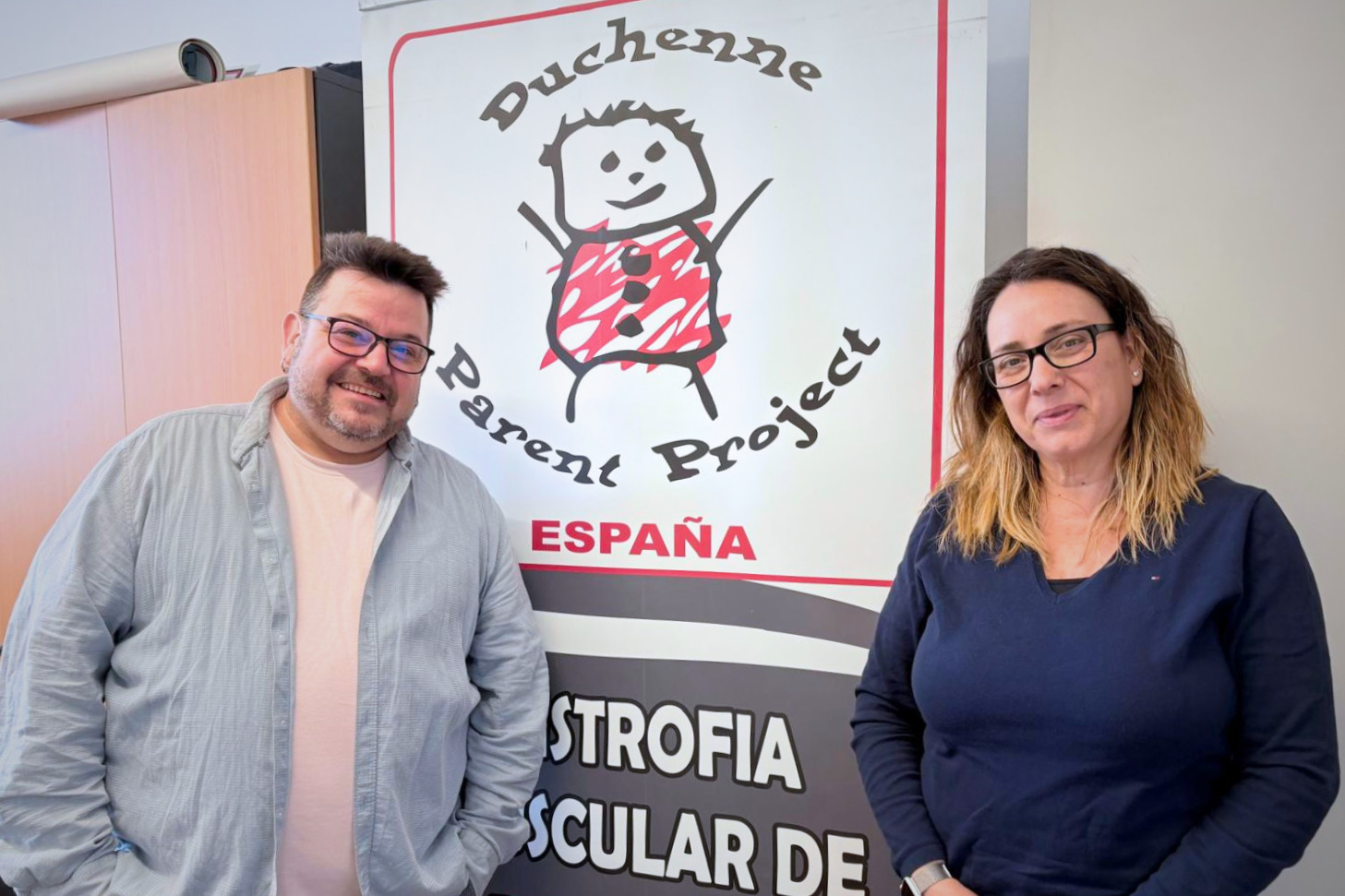
Together with Patients with Duchenne, IBEC is developing a ‘heart-on-a-chip’ to halt the cardiac damage caused by the condition

Duchenne Parent Project Spain has invested €247,000 in the BEAT project, which will be carried out by the Institute for Bioengineering of Catalonia (IBEC).  Cardiomyopathy is the leading cause of death in patients with Duchenne muscular dystrophy (DMD). Around 20,000 new Duchenne cases are diagnosed globally each year.

How cells decide when to react could shape future treatments for cancer and fibrosis

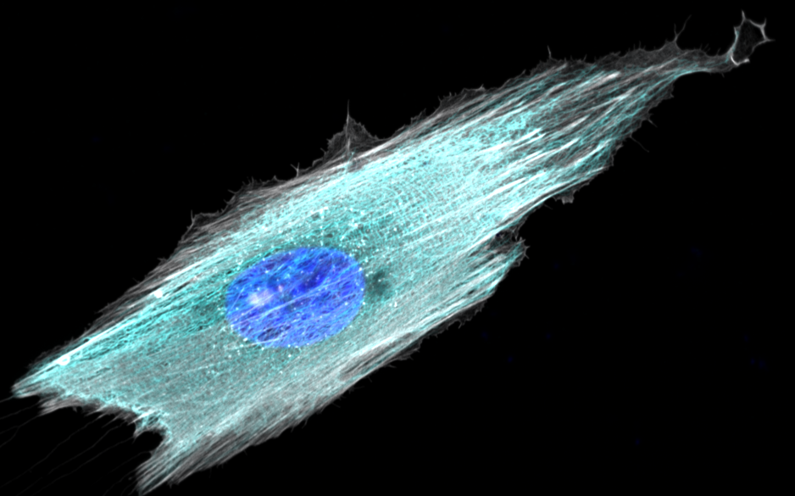
Scientists from the Institute for Bioengineering of Catalonia (IBEC) and King’s College London have discovered that cells do not just sense mechanical forces but also measure how long those forces last before responding. The findings, published in Nature Materials, reveal a timing mechanism that allows cells to ignore brief mechanical noise while reacting to sustained changes, a process that is crucial in diseases such as cancer and fibrosis.

IBEC makes its mark at TERMISEU 2026 with a strong scientific presence and a key role in the conference’s leadership

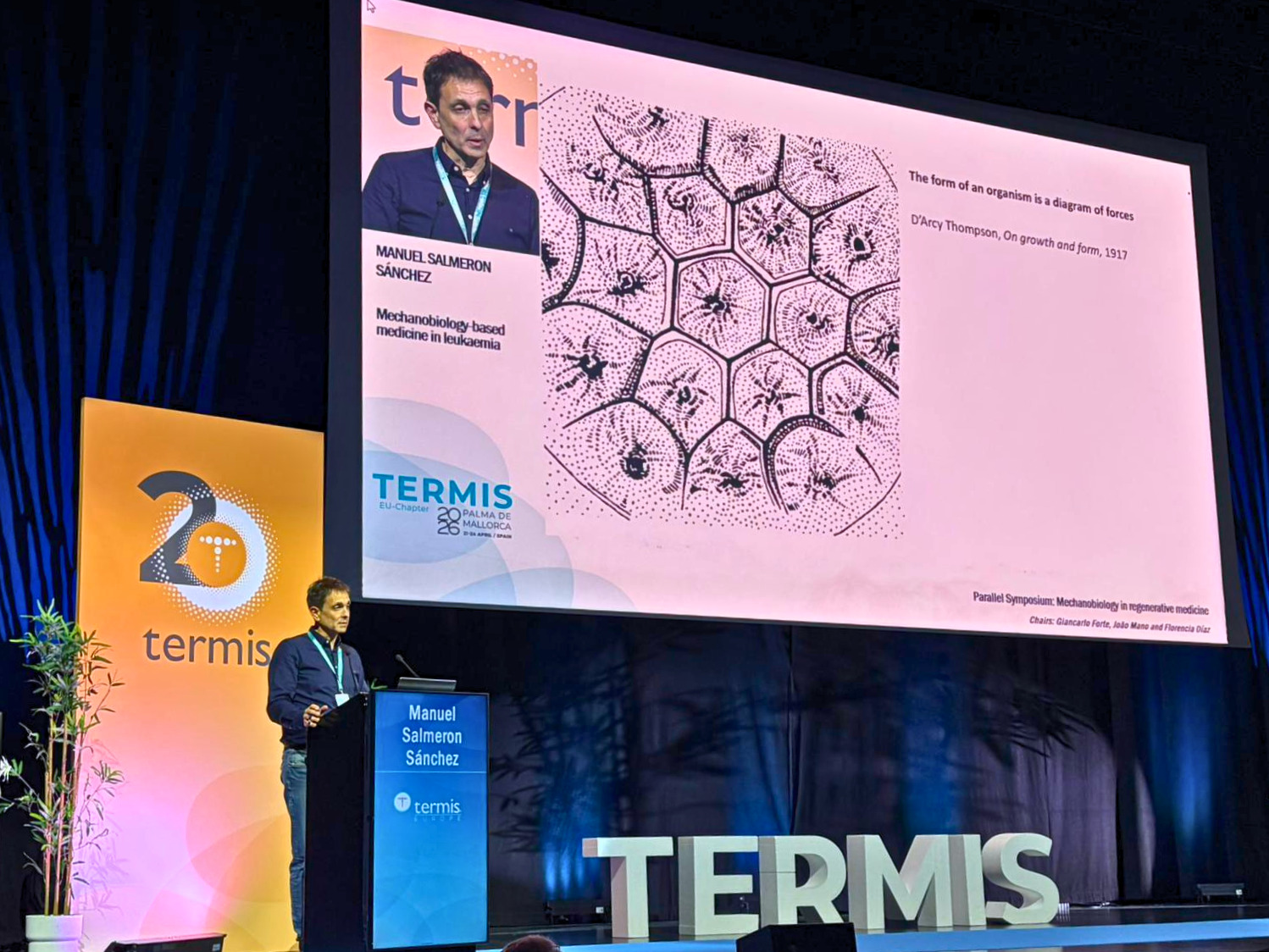
From 21 to 24 April 2026, IBEC had a significant presence at TERMISEU 2026, the leading European conference on tissue engineering and regenerative medicine. Held at the Palma Conference Centre in Mallorca, the event brought together more than 1,600 researchers.