DONATE

IBEC showcases its leadership in biomedical innovation at MWC26 with three disruptive projects
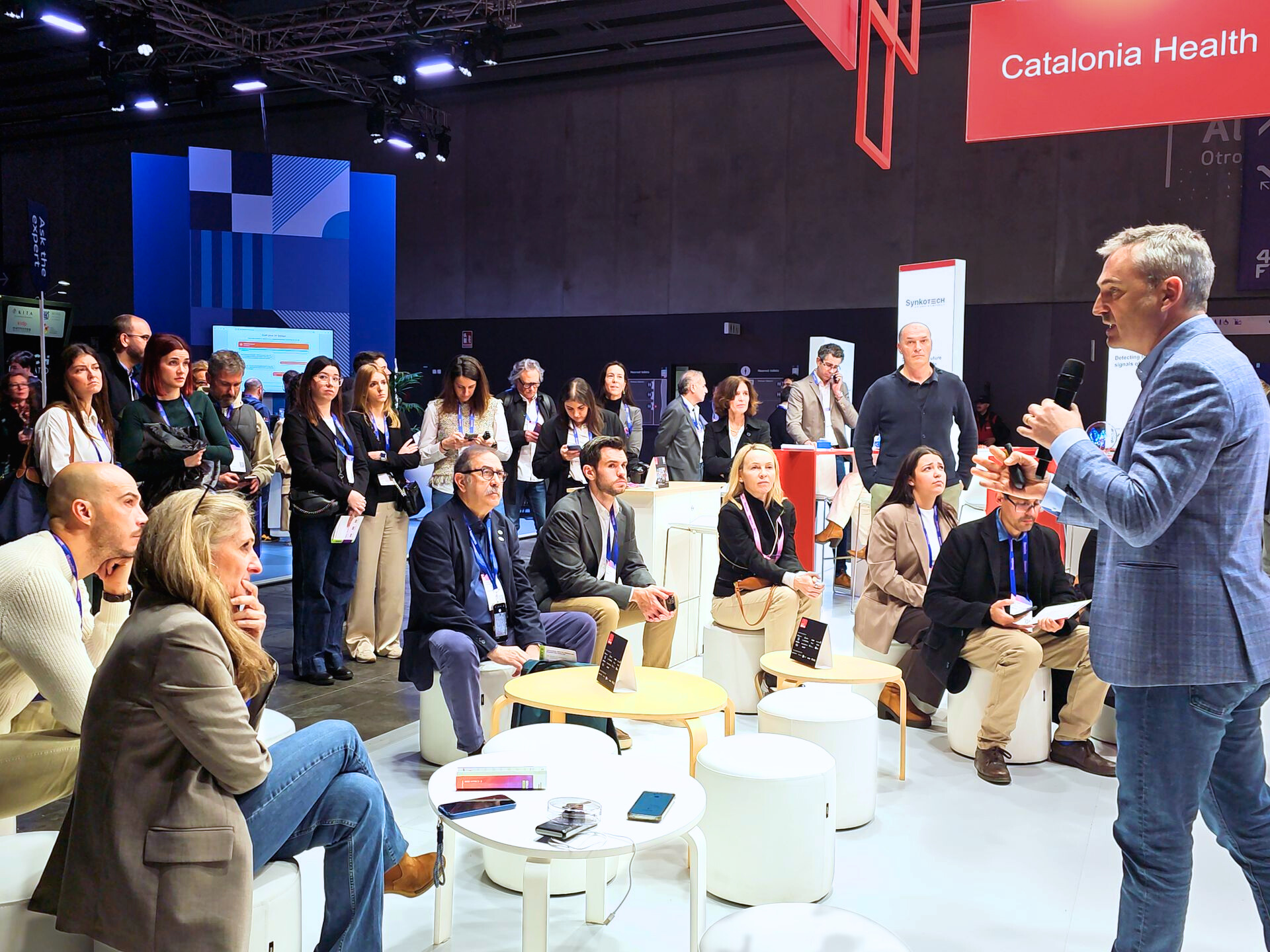
Last week, Barcelona played host to MWC26, the world’s premier technology and connectivity event. The Institute for Bioengineering of Catalonia was in attendance, showcasing some of its spin-offs and state-of-the-art biomedical technologies, including: Nanobots Therapeutics, Lumiris Spectral Solutions, and Drug4Sight.
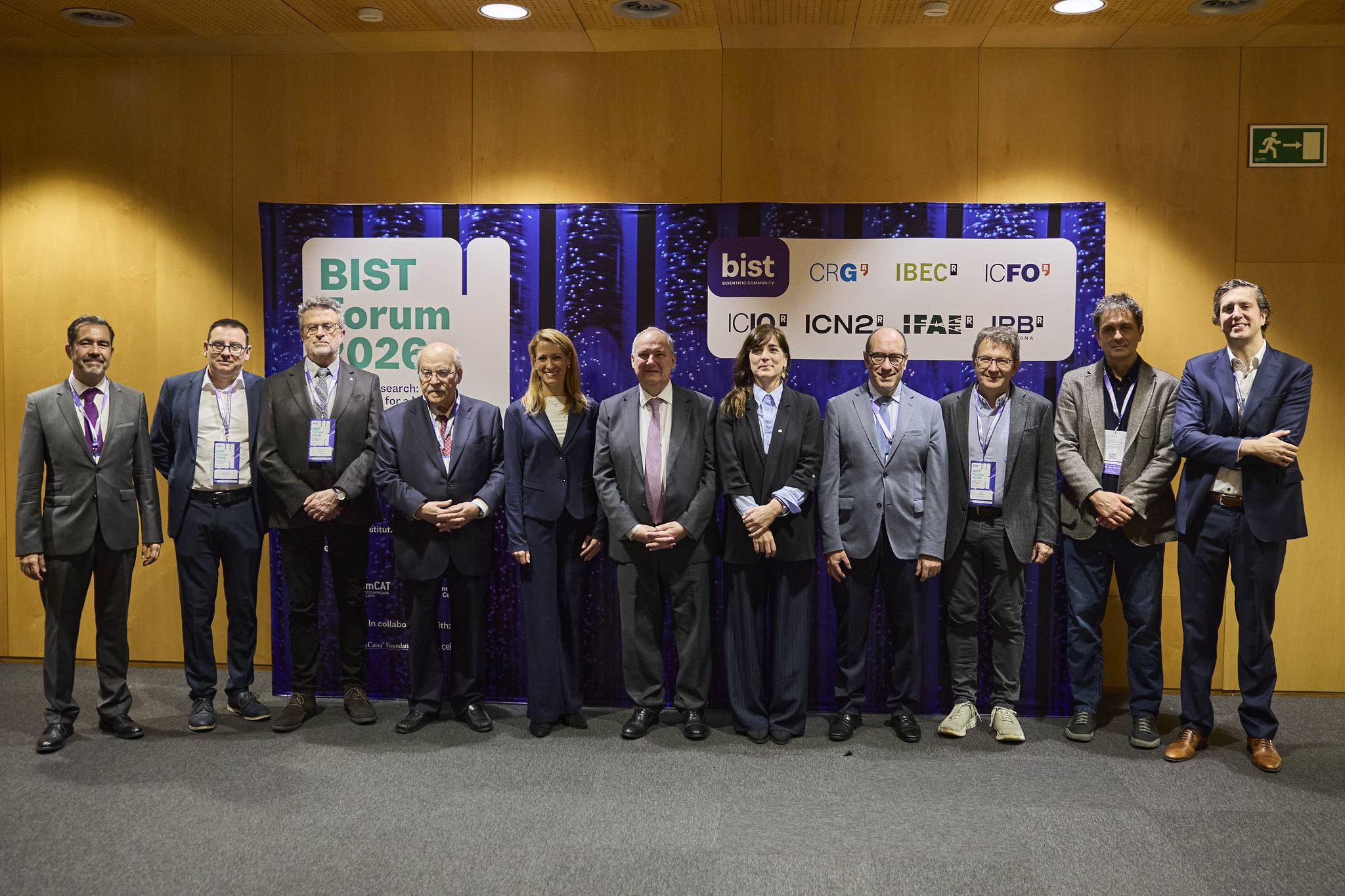
BIST calls for reforms to turn scientific discoveries into European industry

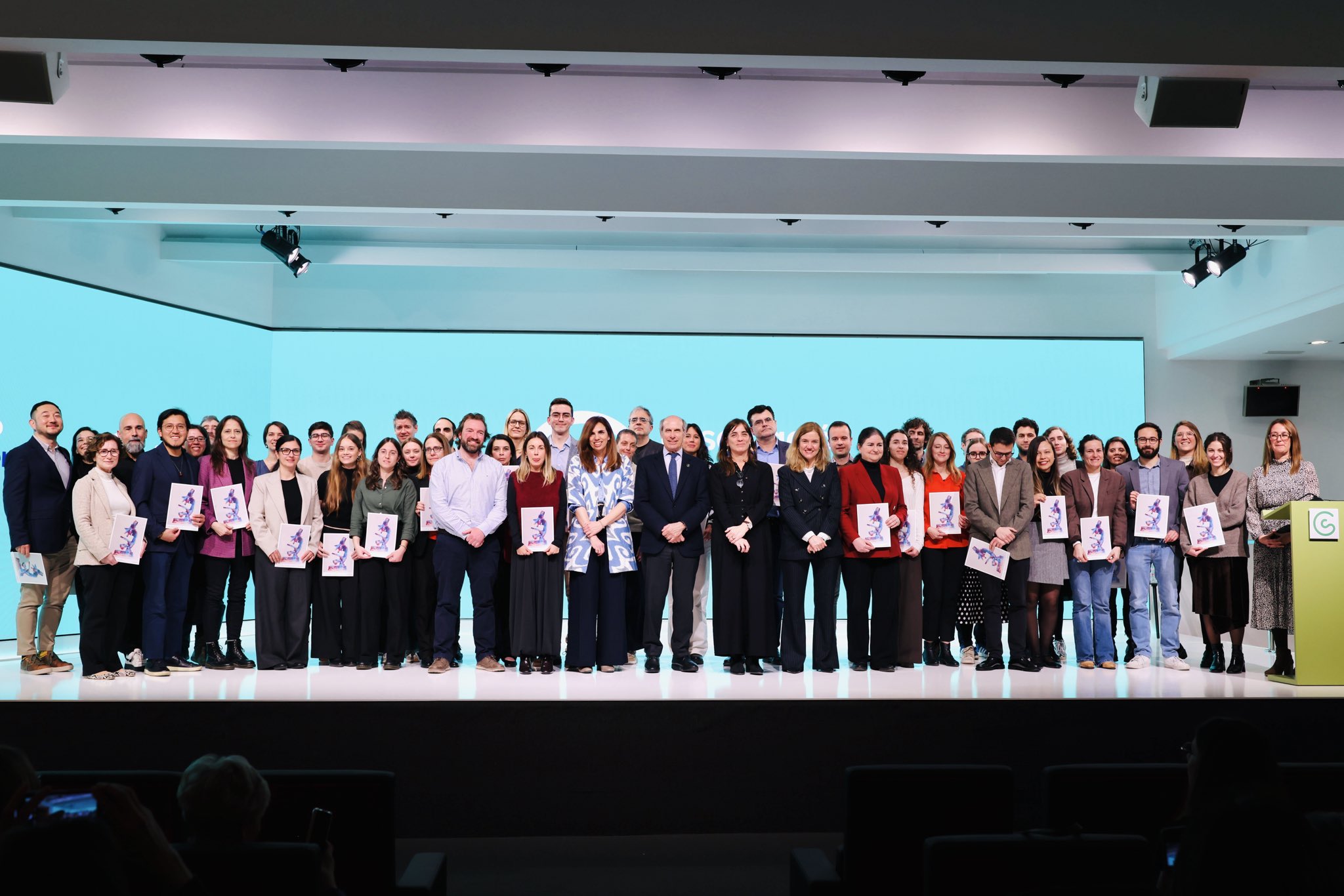
The BIST Forum 2026 brought together scientists and representatives from academic, economic and social institutions to discuss how frontier research can help build Europe’s industries of the future. The event also announced the recipients of the BIST To the Mothers of Science and Ignite programmes.

Three IBEC researchers receive grants from the Spanish Association Against Cancer

Three research projects led by IBEC researchers Xavier Rovira-Clavé, David Esporrín Ubieto and Aránzazu Villasante have been selected by the Spanish Association Against Cancer for its 2025 Grant Programme. The grant presentation ceremony, held in Barcelona today, recognised the momentum behind these initiatives, which range from advanced cell therapy platforms to smart nanomotors and innovative paediatric tumour treatment strategies.

New insights into how bacteria control DNA synthesis open the door to next‑generation antimicrobials 

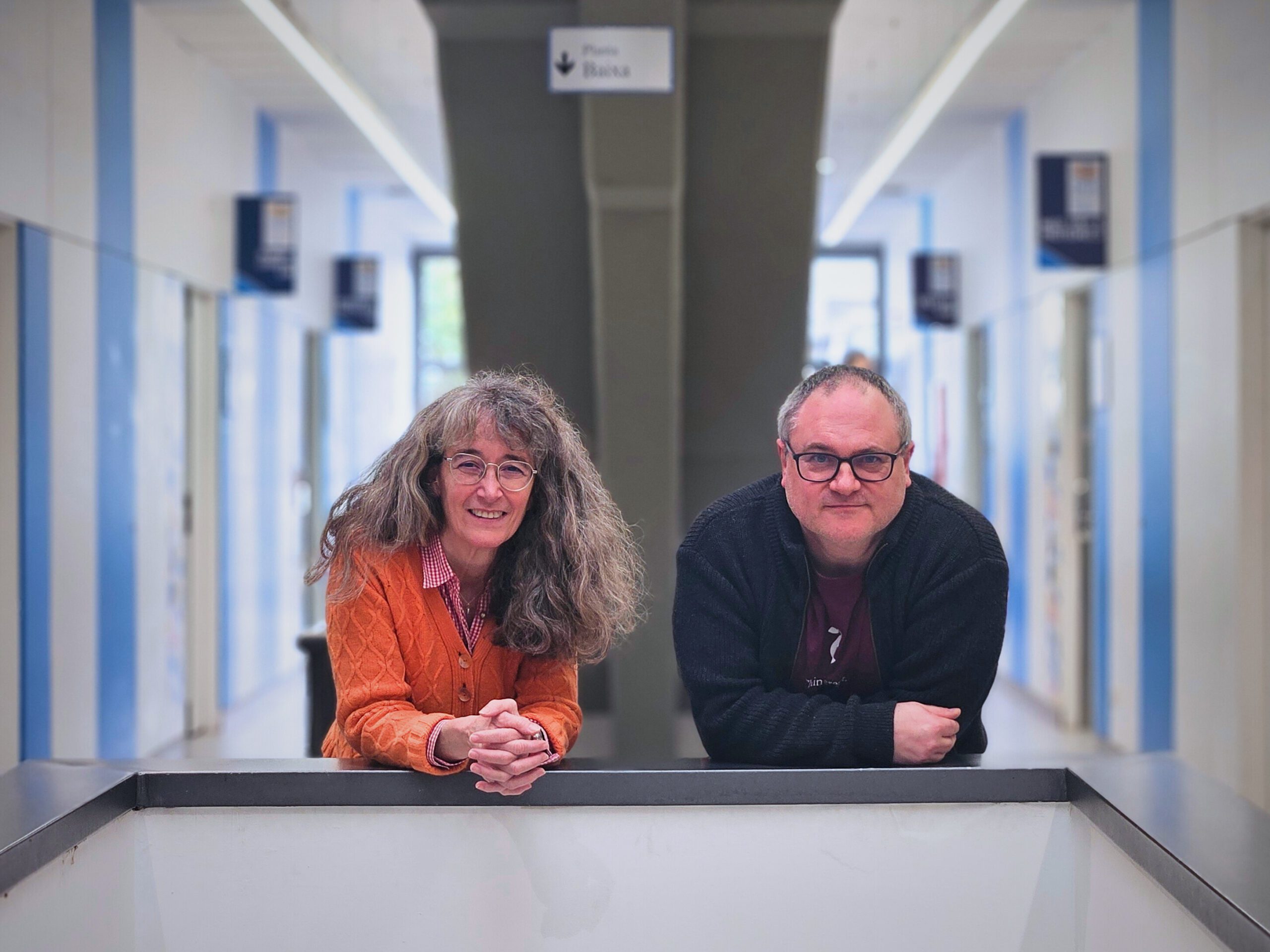
A study led by the Institute for Bioengineering of Catalonia (IBEC) and the Molecular Biology Institute of Barcelona (IBMB) provides the most detailed picture to date of NrdR — the master regulator of ribonucleotide reductases (RNRs) in bacteria. Researchers obtained the first detailed images of the complete NrdR protein structure and showed how changes in the shape and grouping of this protein affect the way it controls key processes inside the cell. The findings, recently published in International Journal of Biological Macromolecules, increase our understanding of how bacteria regulate the production of the molecular building blocks of DNA, a crucial aspect for both fundamental microbiology and the development of new antimicrobial strategies.