DONATE

IBEC secures competitive funding to drive forward validation testing for three innovative health projects

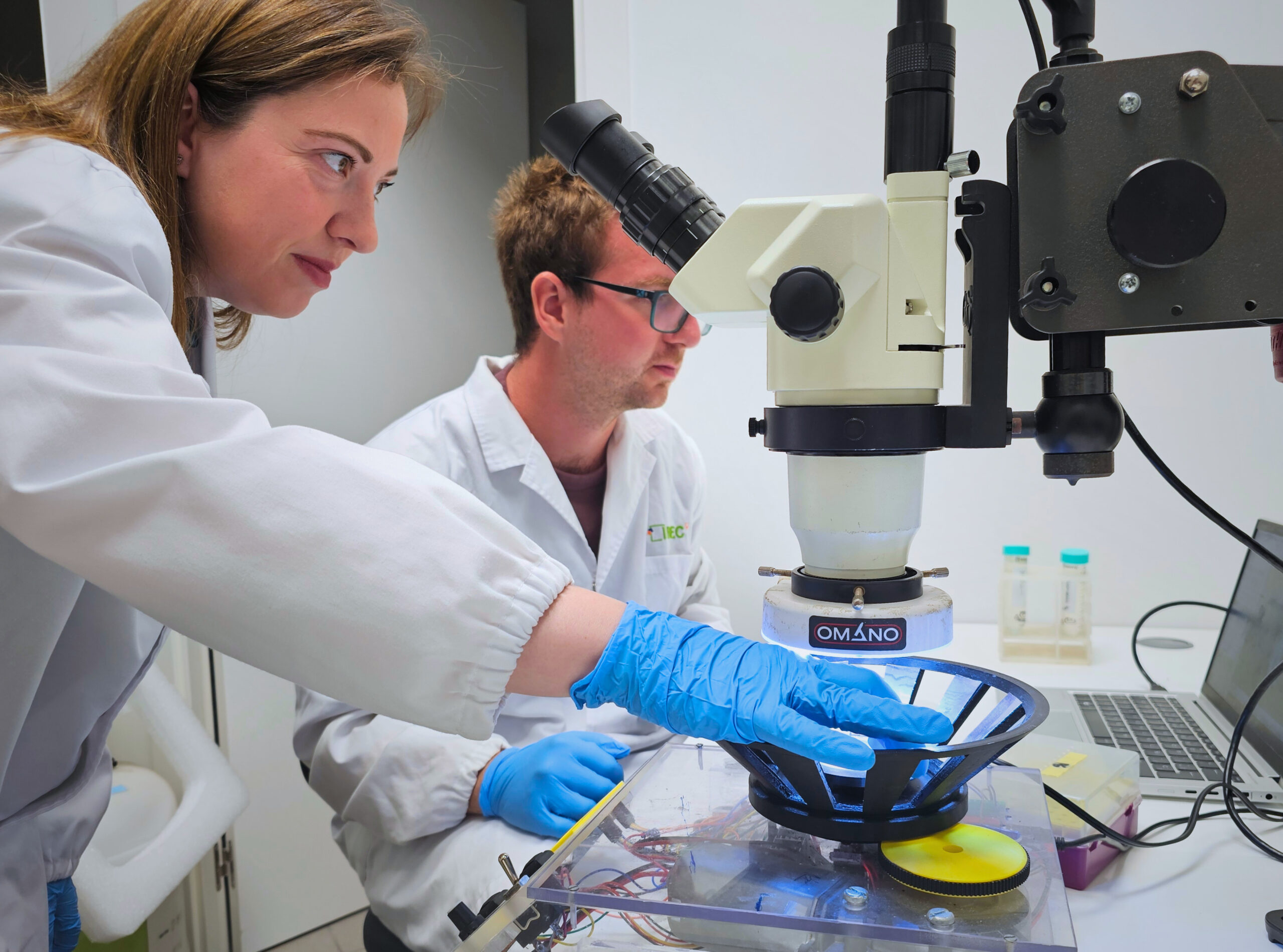
IBEC has been awarded three grants in response to the call for proposals from the Strategic Plan for Health Research and Innovation (PERIS). These projects aim to validate hyperspectral technology for improving assisted reproduction, using bioprinted cell spheroids to combat type 1 diabetes and developing light-activated drugs to restore vision in patients with retinal degeneration.

Bioengineering for precision medicine at the 18th IBEC Symposium

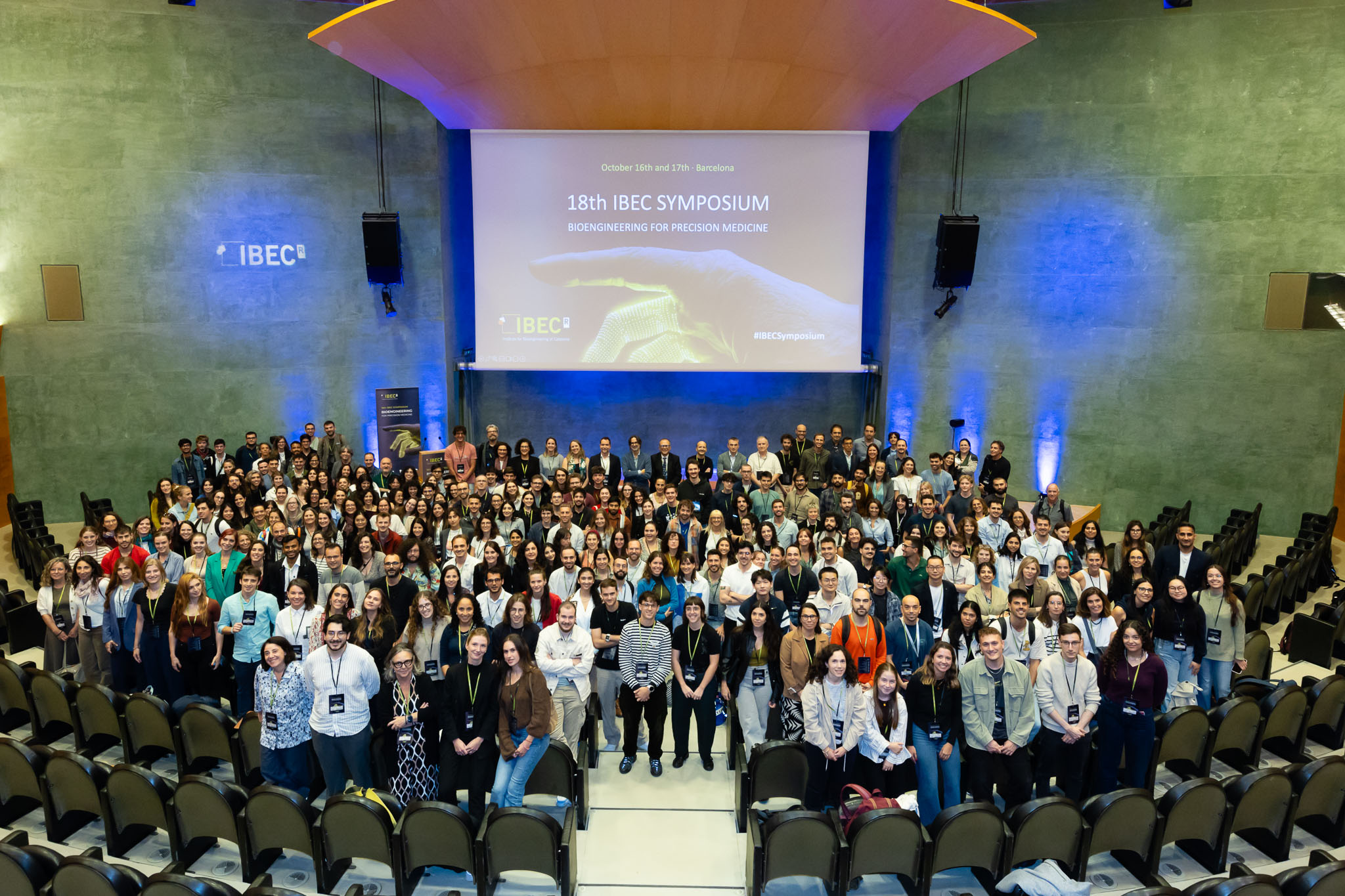
The 18th annual IBEC Symposium focused on ‘Bioengineering for Precision Medicine’, which is one of IBEC’s key areas of application. The event was attended by nearly 300 people, including local and international researchers. The multidisciplinary environment provided experts from other centres and the IBEC community with the opportunity to present their projects and exchange knowledge.

Scientists discover a key role of protons and superoxide ions in the respiratory chain

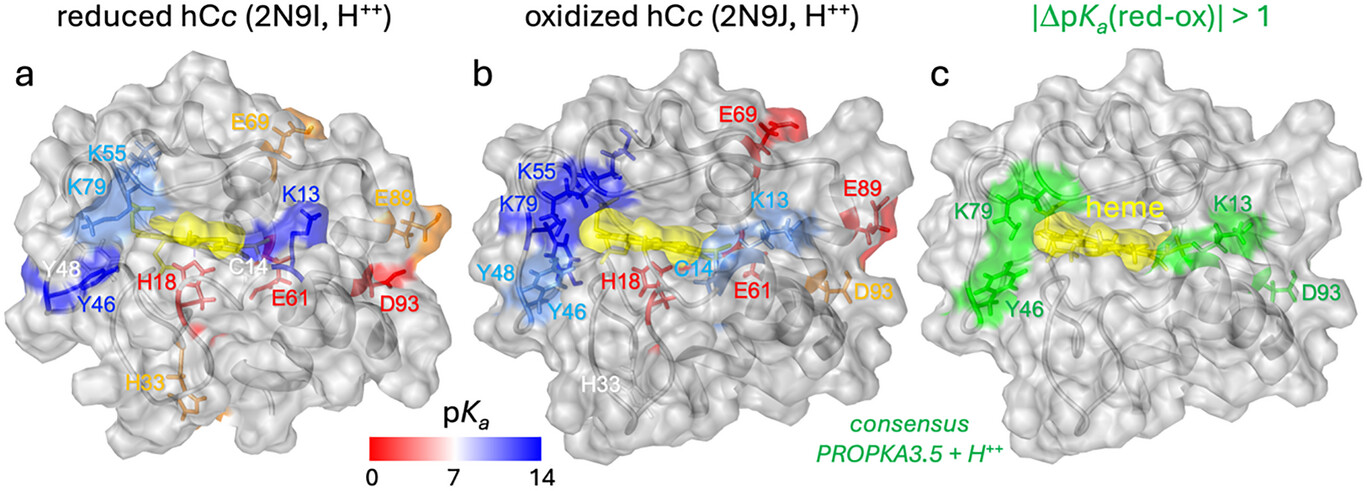
A study led by the Institute for Bioengineering of Catalonia (IBEC) has revealed that protons and reactive oxygen species mediate long-distance charge transport in the mitochondrial respiratory chain — a fundamental process in cellular respiration in organisms. Understanding these mechanisms is crucial, given that mitochondria are the powerhouses of all cells and alterations to them are associated with numerous diseases.

Biosensors based on olfactory receptors to decipher the human sense of smell

A study led by the Institute for Bioengineering of Catalonia (IBEC) and the CIBER’s Bioengineering, Biomaterials and Nanomedicine (CIBER-BBN) describes a method that mimics the physiological response to smell.  The system makes it possible to discriminate between odours with very similar characteristics based on the binding interaction with the receptor, which causes a change in the capacitive response of the receptor. The application of this methodology opens the door to the development of highly selective olfactory biosensors.

IBEC and SJD Barcelona Children’s Hospital strengthen their collaboration with a day of translational innovation

The Institute for Bioengineering of Catalonia and the Sant Joan de Déu Barcelona Children’s Hospital have held a joint conference to strengthen collaboration in bioengineering and translational medicine. The event, held this morning at the IBEC, highlighted innovative projects, presented a joint PhD programme and encouraged the exchange of ideas between researchers from both institutions.

Light-activated drugs against neuropathic pain

A team of researchers led by the Institute for Bioengineering of Catalonia (IBEC) has developed light-activated derivatives of the anti-epileptic drug carbamazepine to treat neuropathic pain. These compounds, which show analgesic effects when activated by light, can inhibit nerve signals locally and on demand. Photopharmacological treatments offer precise action at the site of application, thus reducing systemic side effects.

Marina Giannotti and Nina Kostina receive the BIST Mothers of Science Grant

The IBEC senior researchers were two of the winners of the fourth edition of the call for applications. Through this initiative, BIST recognises and supports scientist mothers working to reach a leading position and advance the research in their fields.