DONATE

The IBEC and West China Hospital hold their third joint conference on precision medicine in Barcelona

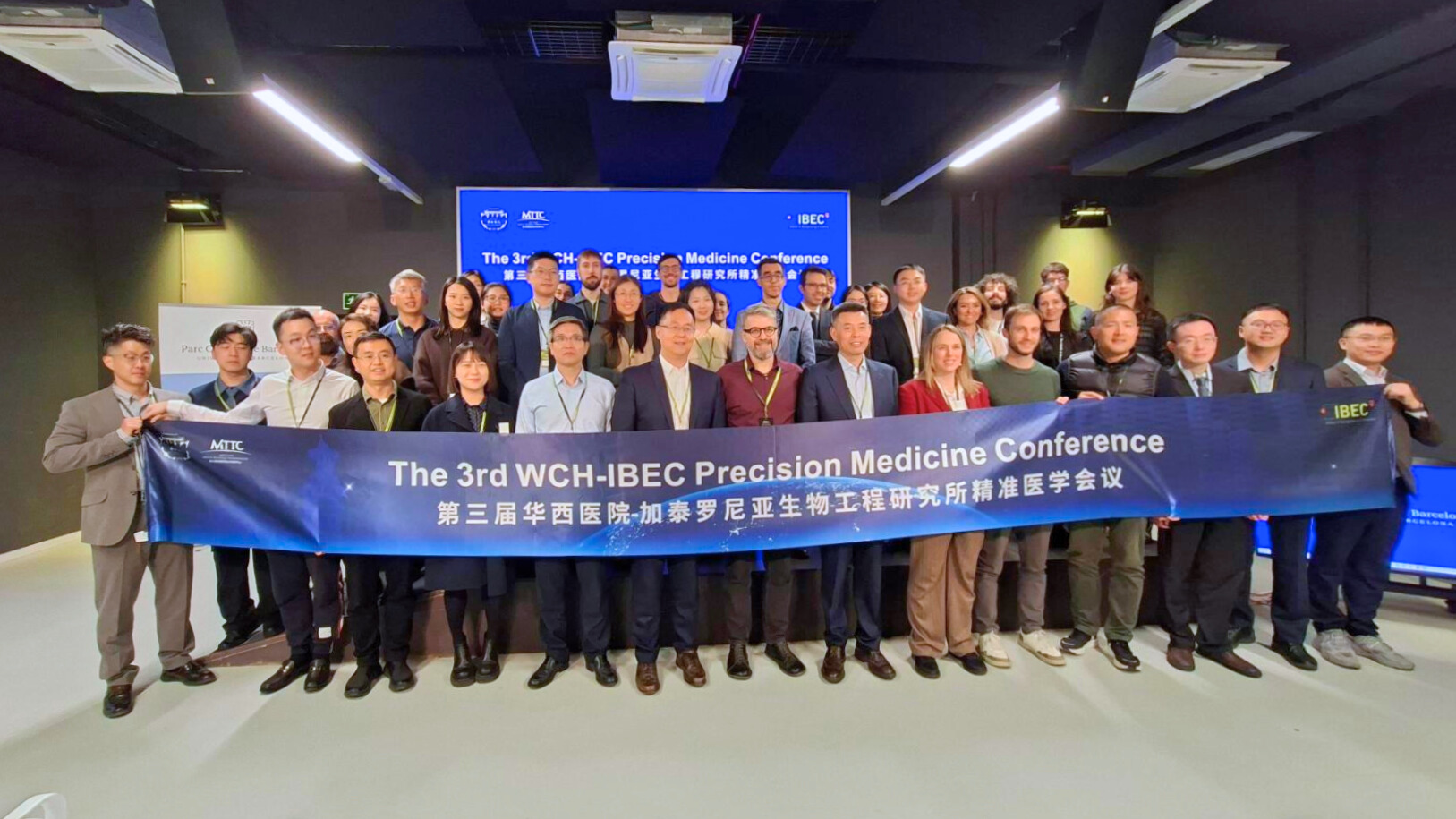
Barcelona hosted the third IBEC-WCH Precision Medicine Conference this week, an event that further strengthened the strategic alliance between the Institute for Bioengineering of Catalonia (IBEC) and the West China Hospital of Sichuan University (WCHSU). The Chinese delegation visited Spain from 26 to 29 November, taking part in a busy schedule of scientific and institutional activities and exchanges between the two centres.

IBEC research takes third place in the 2025 Vanguardia de la Ciencia Awards

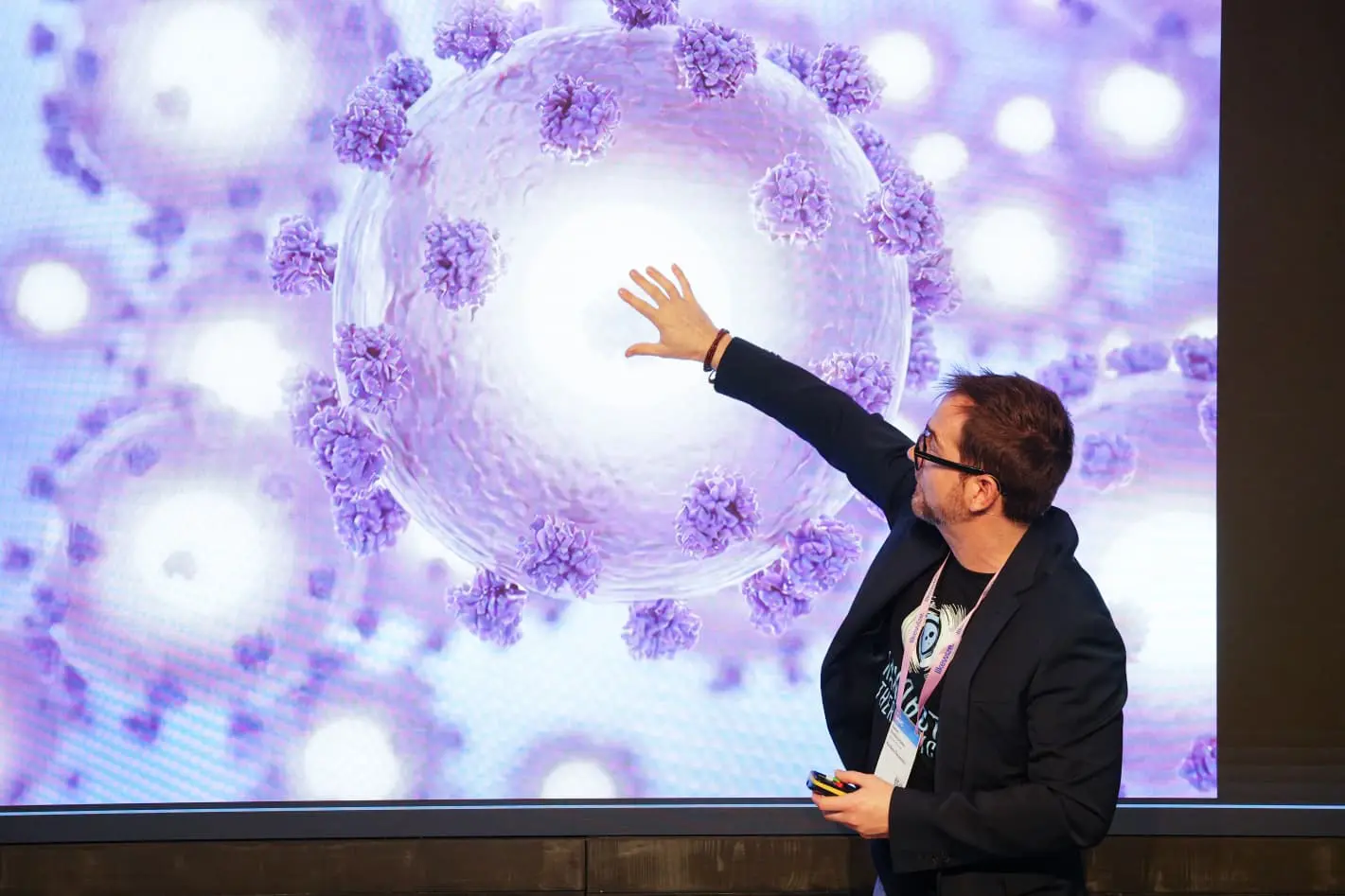
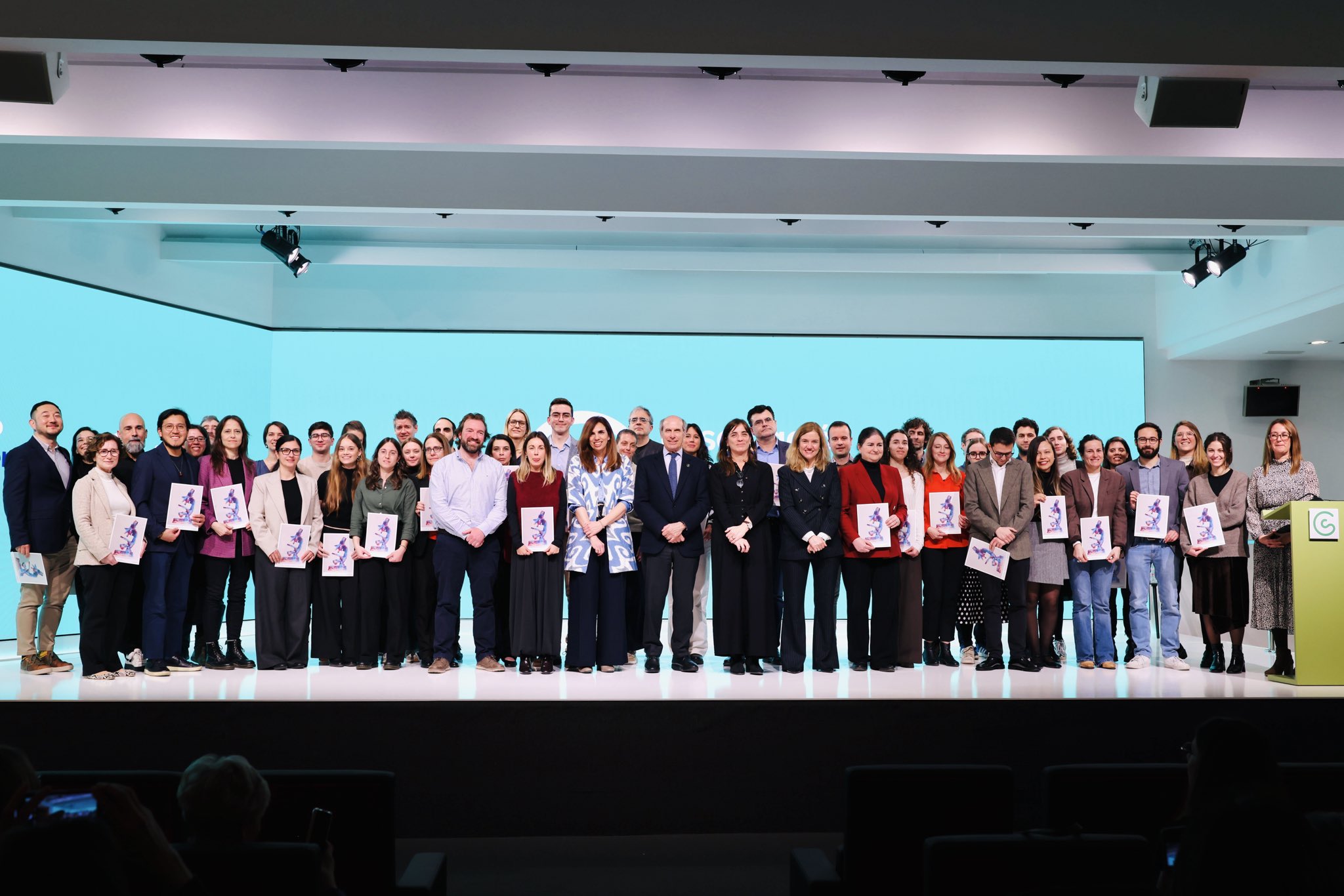
A study led by IBEC has won the 3rd Vanguardia de la Ciencia 2025 Prize. The research, led by Samuel Sánchez Ordoñez and with Meritxell Serra-Casablanca as lead author, proposes an innovative bladder cancer therapy based on nanorobots loaded with radiopharmaceuticals. These nanorobots are capable of moving around the bladder using urine as a source of energy.

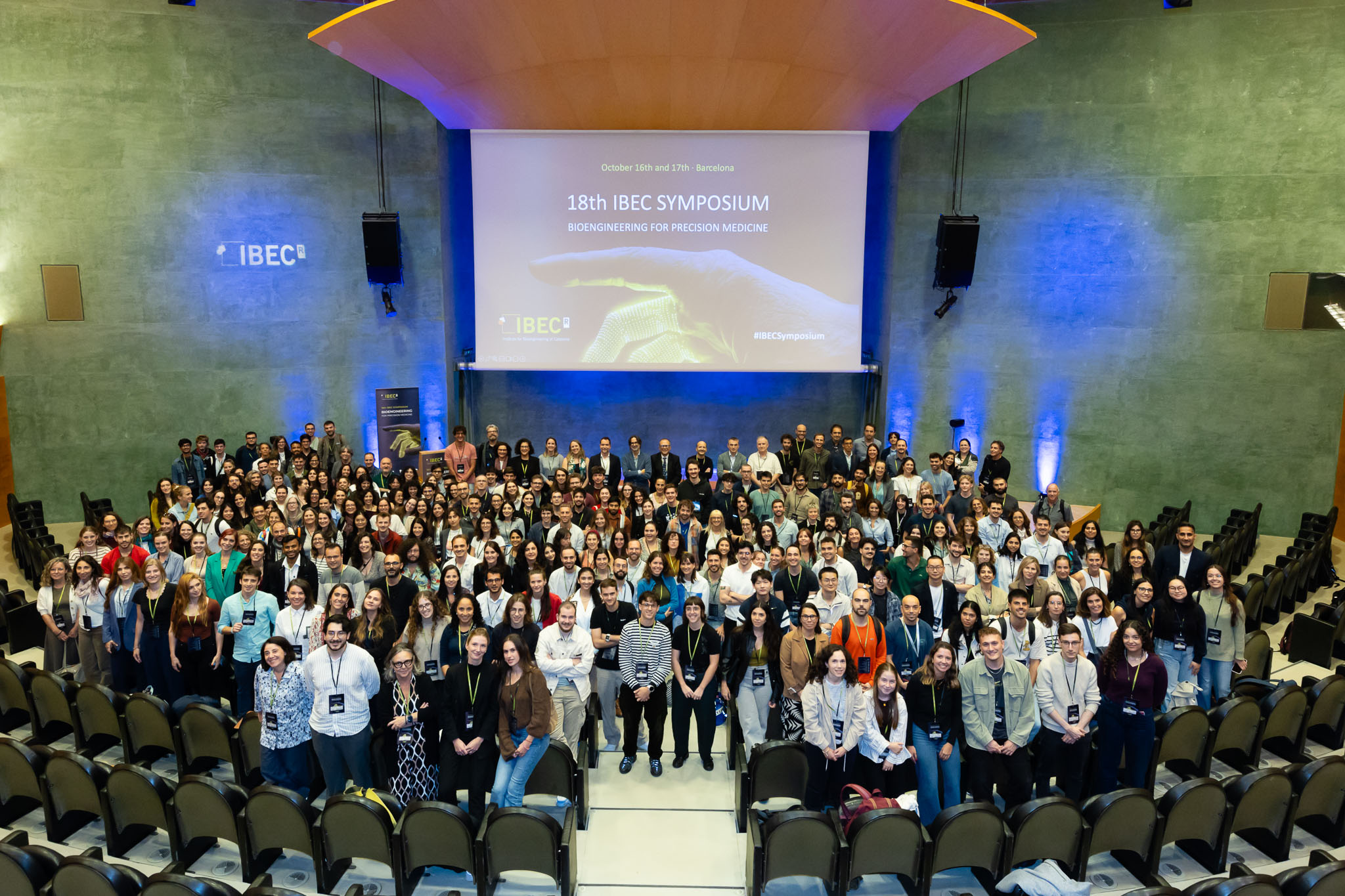
Bioengineering for precision medicine at the 18th IBEC Symposium

The 18th annual IBEC Symposium focused on ‘Bioengineering for Precision Medicine’, which is one of IBEC’s key areas of application. The event was attended by nearly 300 people, including local and international researchers. The multidisciplinary environment provided experts from other centres and the IBEC community with the opportunity to present their projects and exchange knowledge.

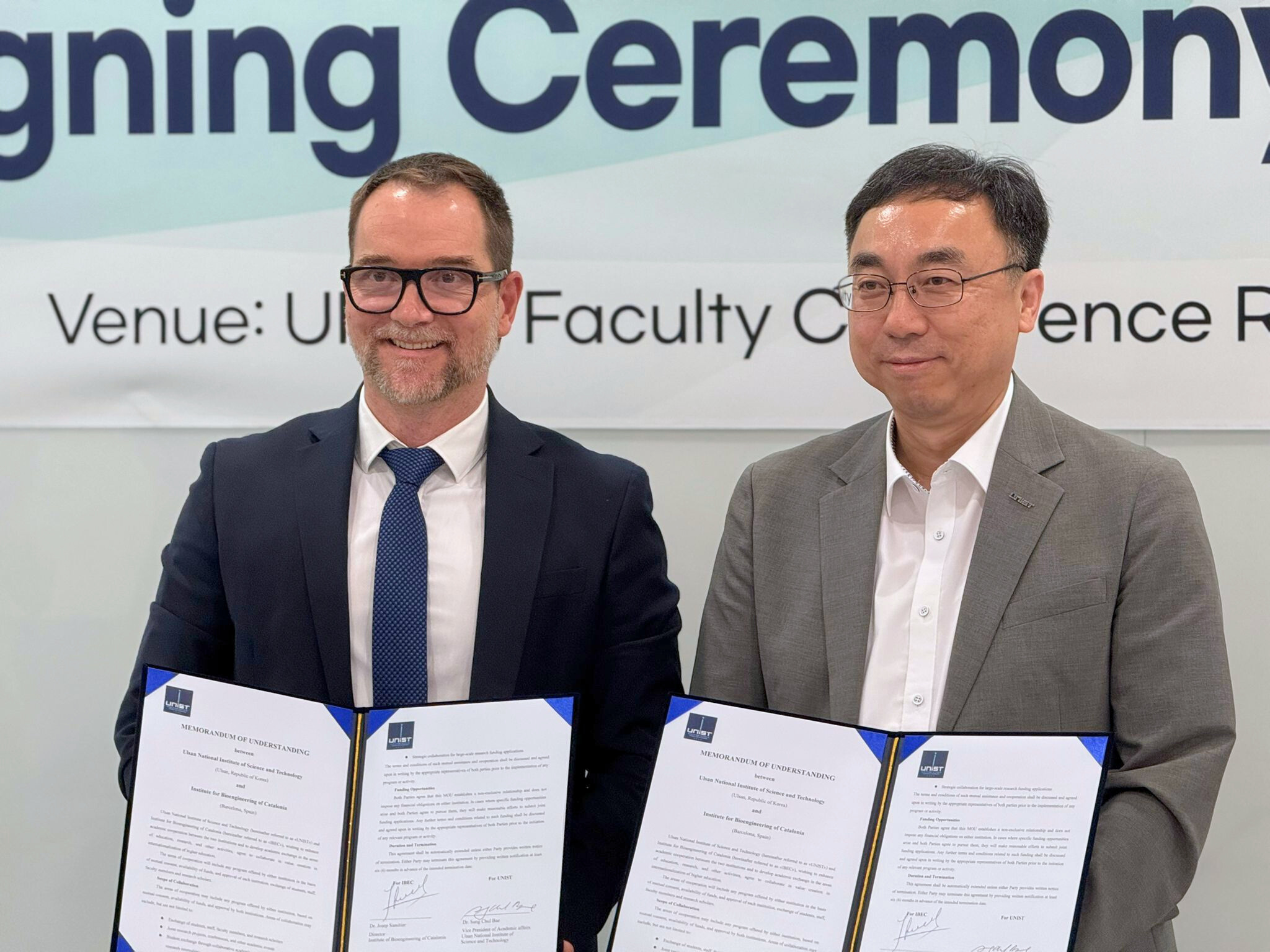
IBEC and UNIST Host Forum on Next-generation Bioengineering to Strengthen International Collaboration

Today took place the Forum on Next-generation Bioengineering organized by the Institute for Bioengineering of Catalonia (IBEC) and Ulsan National Institute of Science & Technology (UNIST) in South Korea. The event highlighted cutting-edge research in bioengineering and reinforced the collaborative ties between the two institutions.

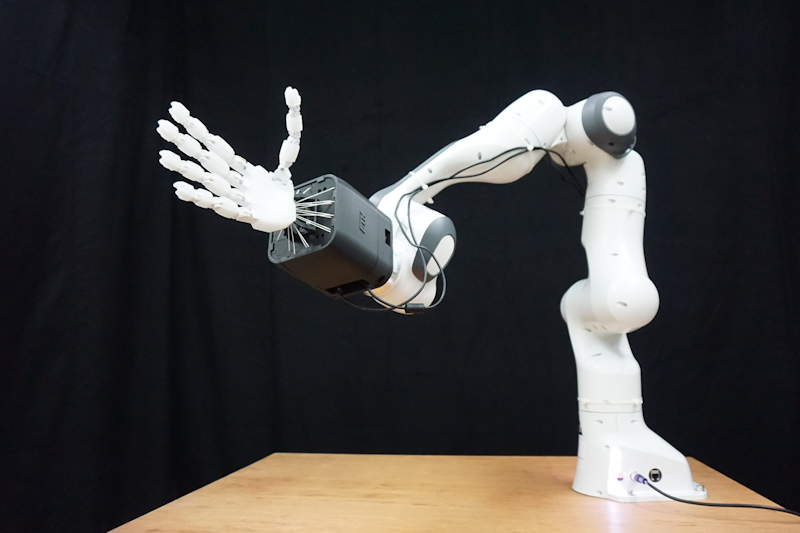
Biohybrid robotics: Muscles and tendons for robots

Researchers at the Soft Robotics Lab at ETH Zurich in collaboration with the Institute for Bioengineering of Catalonia have developed a biohybrid system that mimics the biological interface between bones and muscles, enabling improved force transmission. This technology could be applied not only in robotics but also in the development of medical implants.

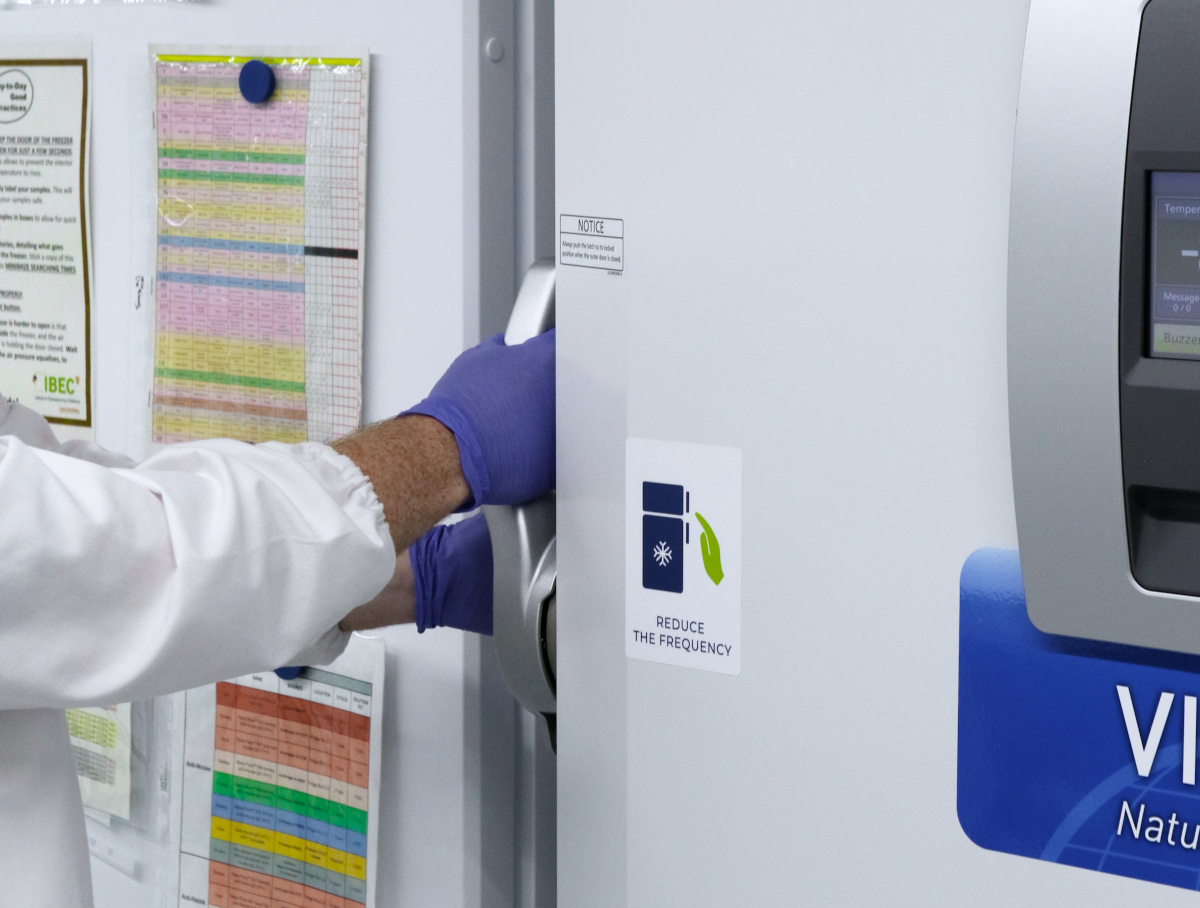
Seven additional IBEC labs achieve top-level in My Green Lab certification

Seven more research groups at the Institute for Bioengineering of Catalonia (IBEC) have been certified by My Green Lab, reaching the highest rating, the Green Level, for sustainable laboratory practices. With these additions, IBEC core facilities and 70% of the Institute’s laboratories are now certified.

La Vanguardia: Una sola dosis de nanorrobots aniquila un 90% del tumor en cáncer de vejiga

Un ejército de nanorrobots circula utilizando como combustible urea. Su misión: transportar radiación para atacar las células malignas de la vejiga. No es ciencia ficción, sino el avance que han logrado Meritxell Serra-Casablancas y Samuel Sánchez en el Institut de Bioenginyeria de Catalunya (IBEC), y que han publicado en Nature Nanotechnology. Su estudio ha demostrado que estos nanorrobots tienen una alta eficacia para reducir el volumen de los tumores en ratones.

IBEC and ICMS meet again in Eindhoven for their annual joint symposium

The joint ICMS-IBEC-MPIP symposium took place today, 24 March. The event was jointly organised by the Institute for Bioengineering of Catalonia (IBEC), the Institute for Complex Molecular Systems (ICMS) and the Max Planck Institute for Polymer Research (MPIP). During the day, researchers from the three centres presented their areas of research, with the aim of strengthening the scientific relations between the institutions.

IBEC takes part in MWC 2025 with its innovation in digital health and biomedical technology

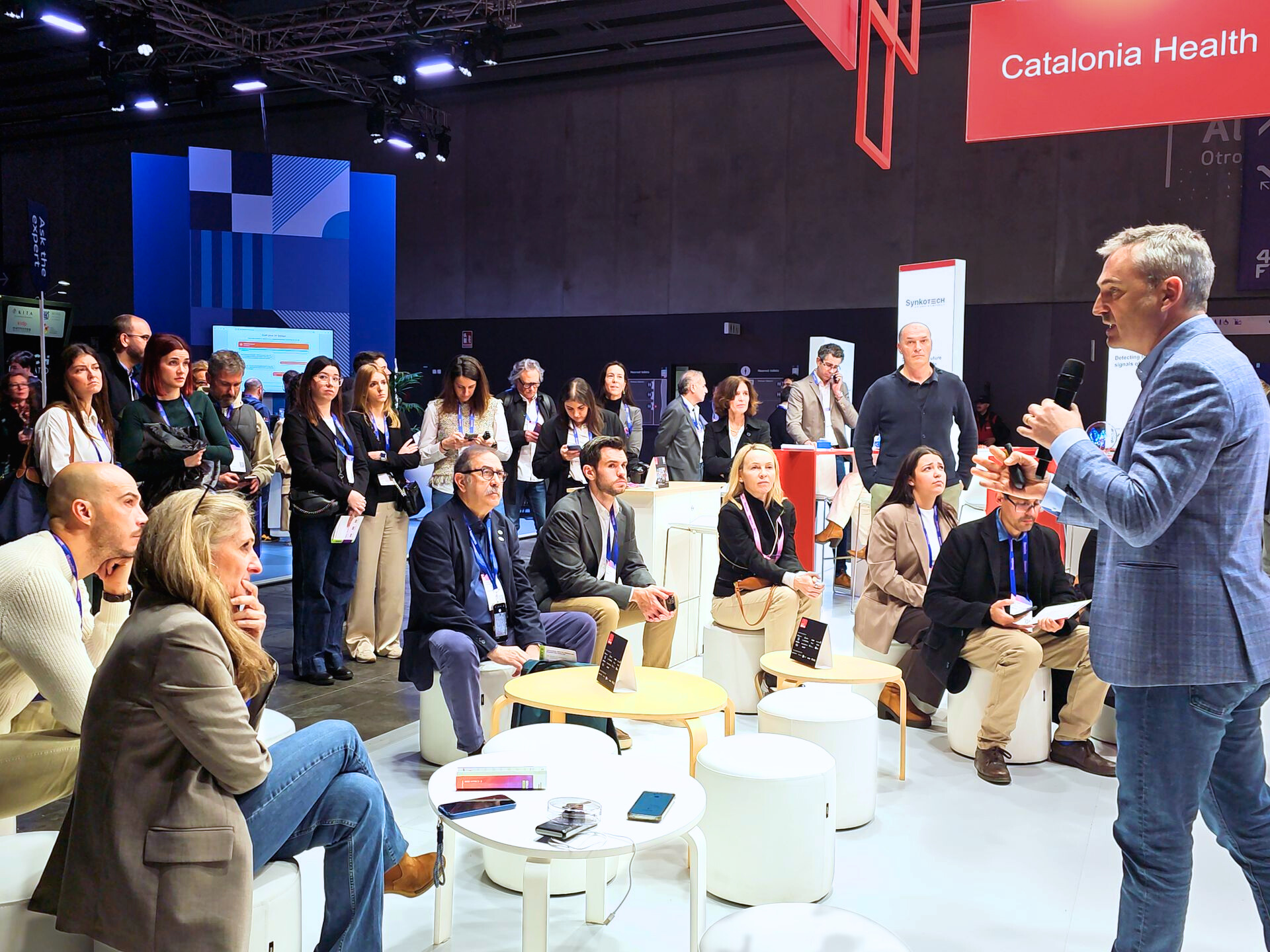
MWC 2025, the leading international event in technology and connectivity, took place in Barcelona this week. The Institute for Bioengineering of Catalonia was present, showcasing some of its spin-offs and participating in conferences and panels on digital health and technology transfer.

Novel nanomotors improve bladder cancer immunotherapy

A study led by the Institute for Bioengineering of Catalonia (IBEC) and Pohang University of Science and Technology (POSTECH) in South Korea describes the development of urea-powered nanomotors that improve immunotherapy for bladder cancer. The nanomotors activate the immune system more efficiently and exceed the efficacy of currently used treatments, opening up new possibilities in oncology.