LA VANGUARDIA: ¿Cómo mejorar el desarrollo de fármacos que lleguen al cerebro?
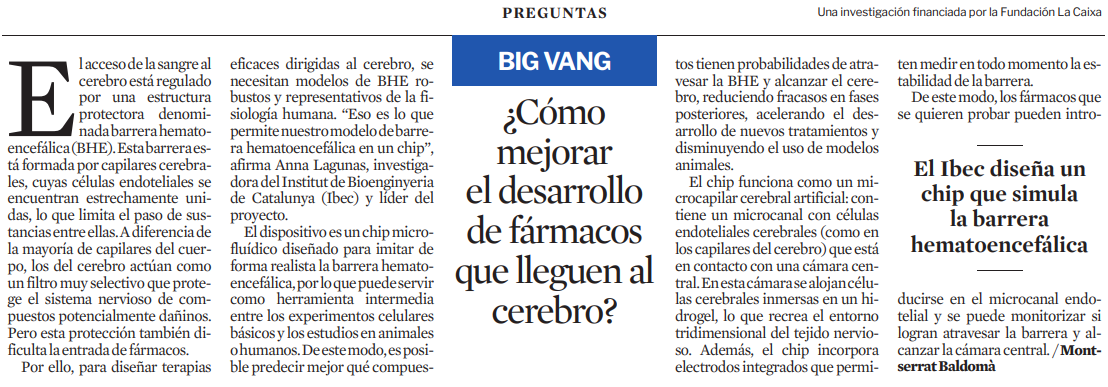
El IBEC diseña un chip que simula la barrera hematoencefálica.

Group leader
El IBEC diseña un chip que simula la barrera hematoencefálica.
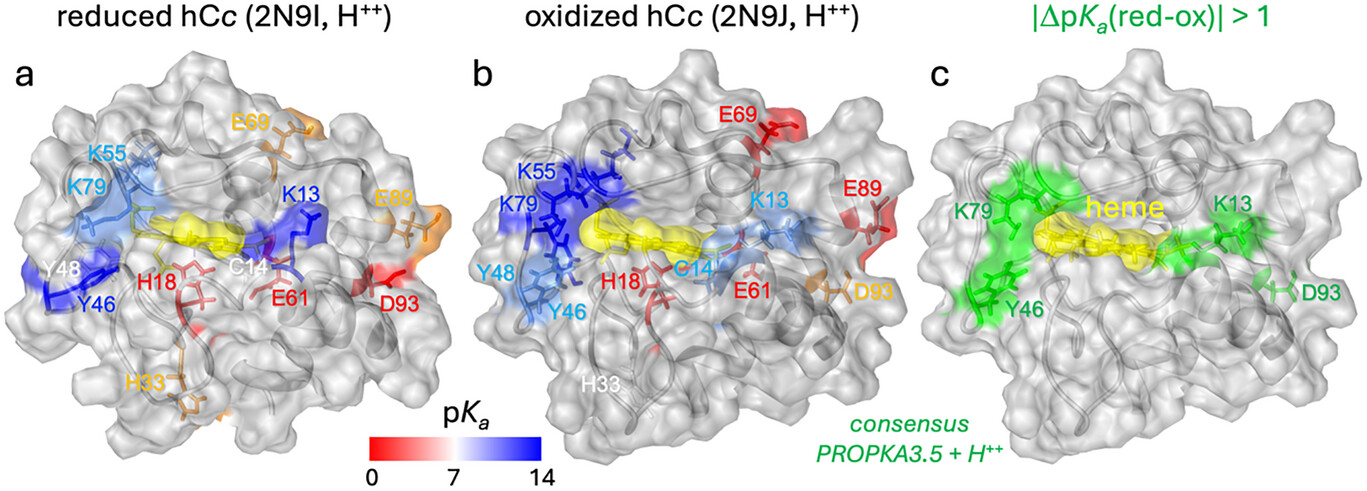
A study led by the Institute for Bioengineering of Catalonia (IBEC) has revealed that protons and reactive oxygen species mediate long-distance charge transport in the mitochondrial respiratory chain — a fundamental process in cellular respiration in organisms. Understanding these mechanisms is crucial, given that mitochondria are the powerhouses of all cells and alterations to them are associated with numerous diseases.
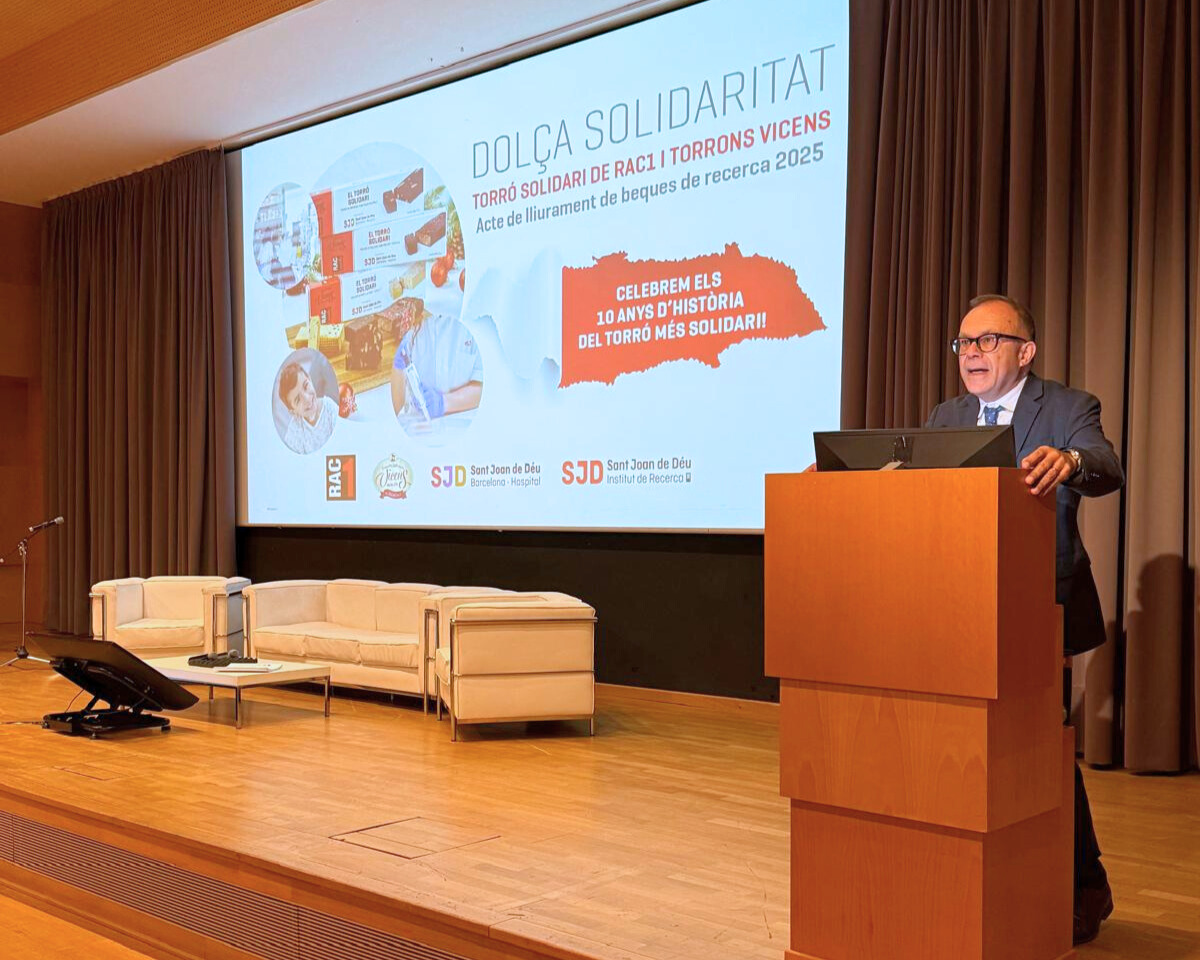
The presentation ceremony for the Solidarity Nougat Grants by RAC1 and Torrons Vicens took place yesterday. In this second edition, the Institute for Bioengineering of Catalonia (IBEC) has been selected to co-lead two of the four winning projects. The 2025 call aims to stimulate research and innovation in rare paediatric diseases at the SJD Barcelona Children’s Hospital, as part of the ‘ÚNICAS’ project.
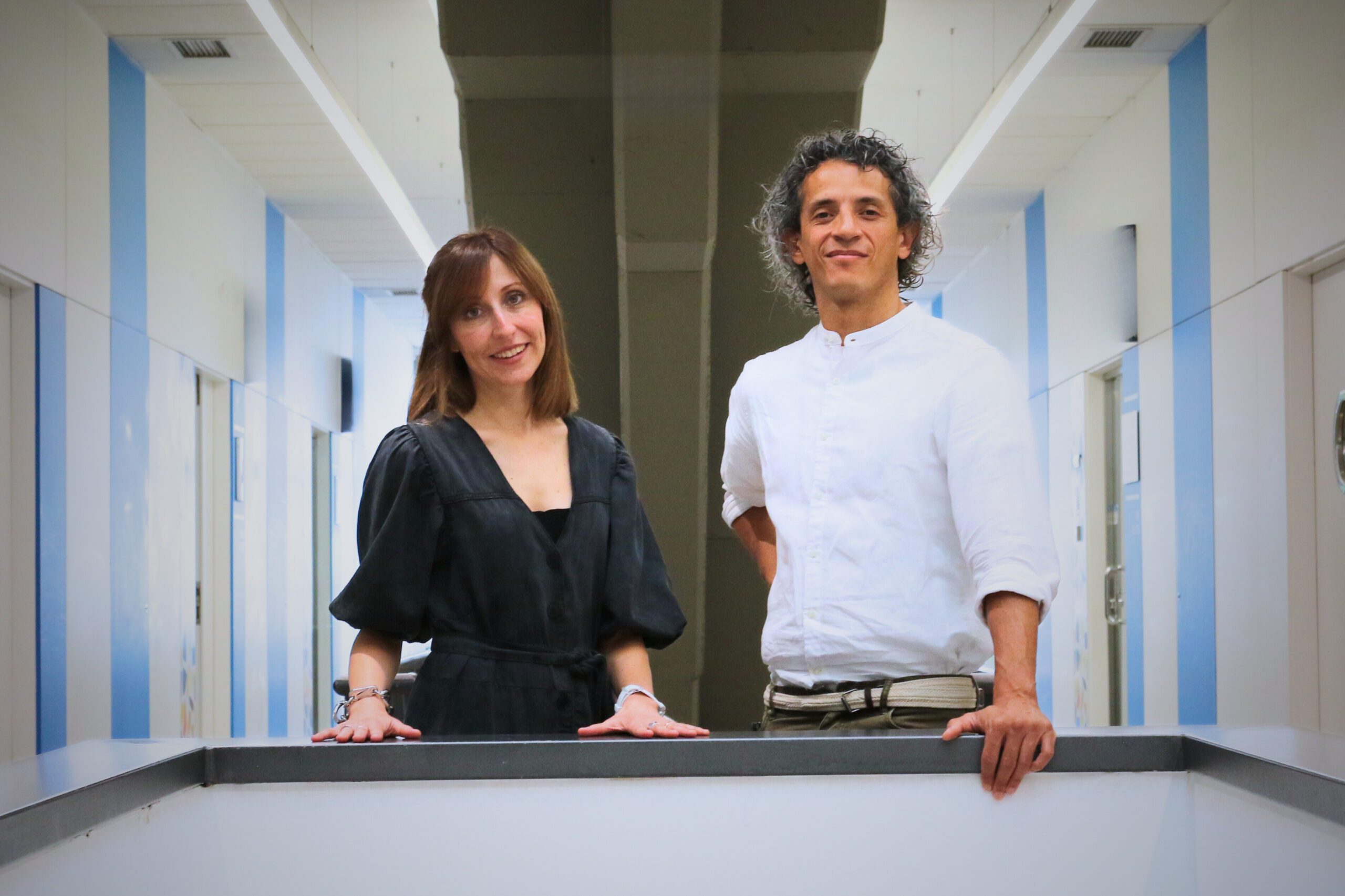
Anna Lagunas and Daniel González-Carter, who are both senior researchers at the Institute of Bioengineering of Catalonia (IBEC), will be leading these projects as part of the 2025 edition of the programme. This initiative by the “la Caixa” Foundation aims to accelerate the commercialisation of biomedical innovations to make them available to patients who need them more quickly. The two IBEC projects focus on treating diseases that affect the brain.
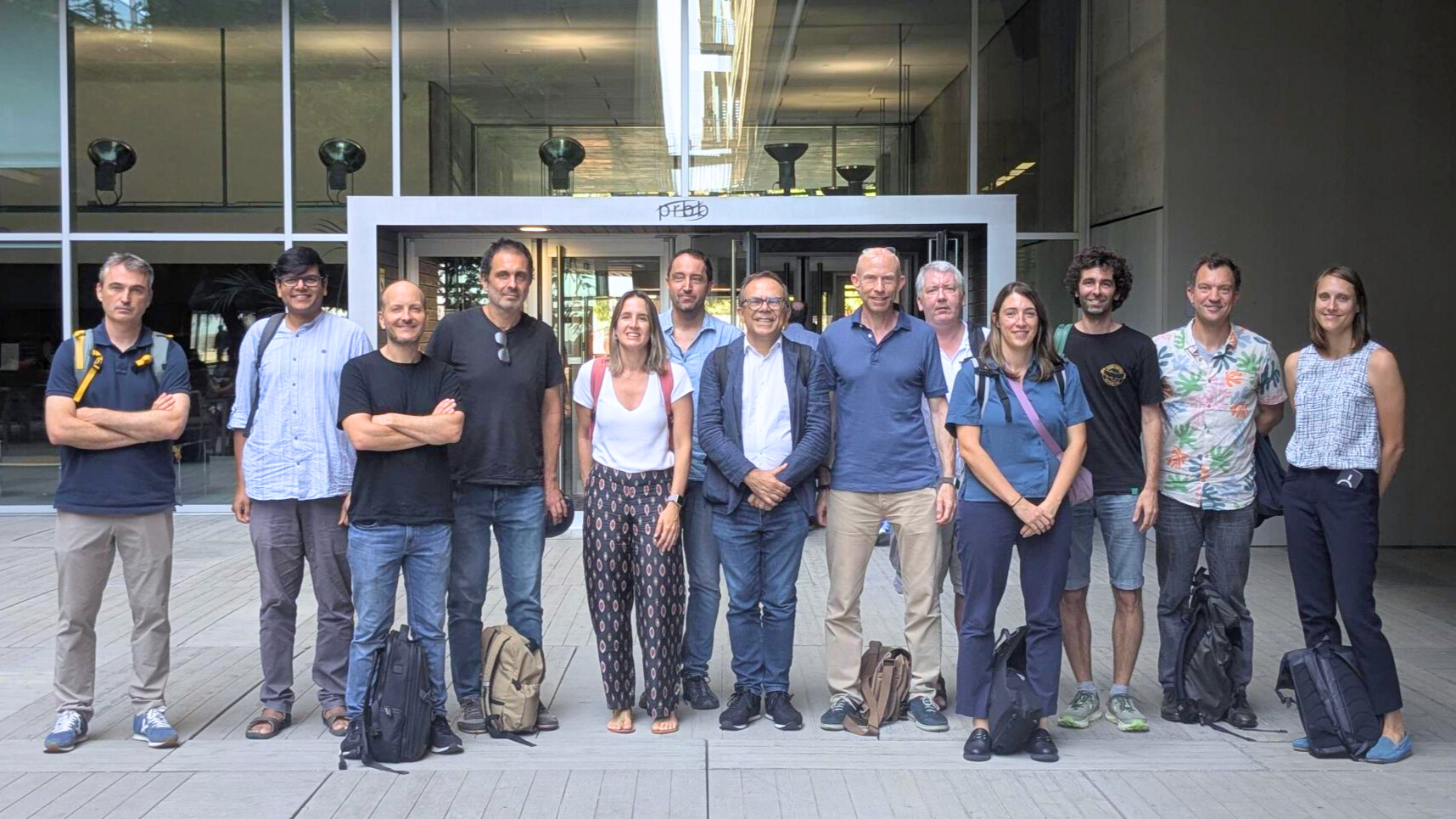
Today, the Institute for Bioengineering of Catalonia (IBEC) and the European Molecular Biology Laboratory (EMBL) held a matchmaking workshop. The event brought together leading researchers from both centres to encourage the formation of new connections and promote scientific dialogue.
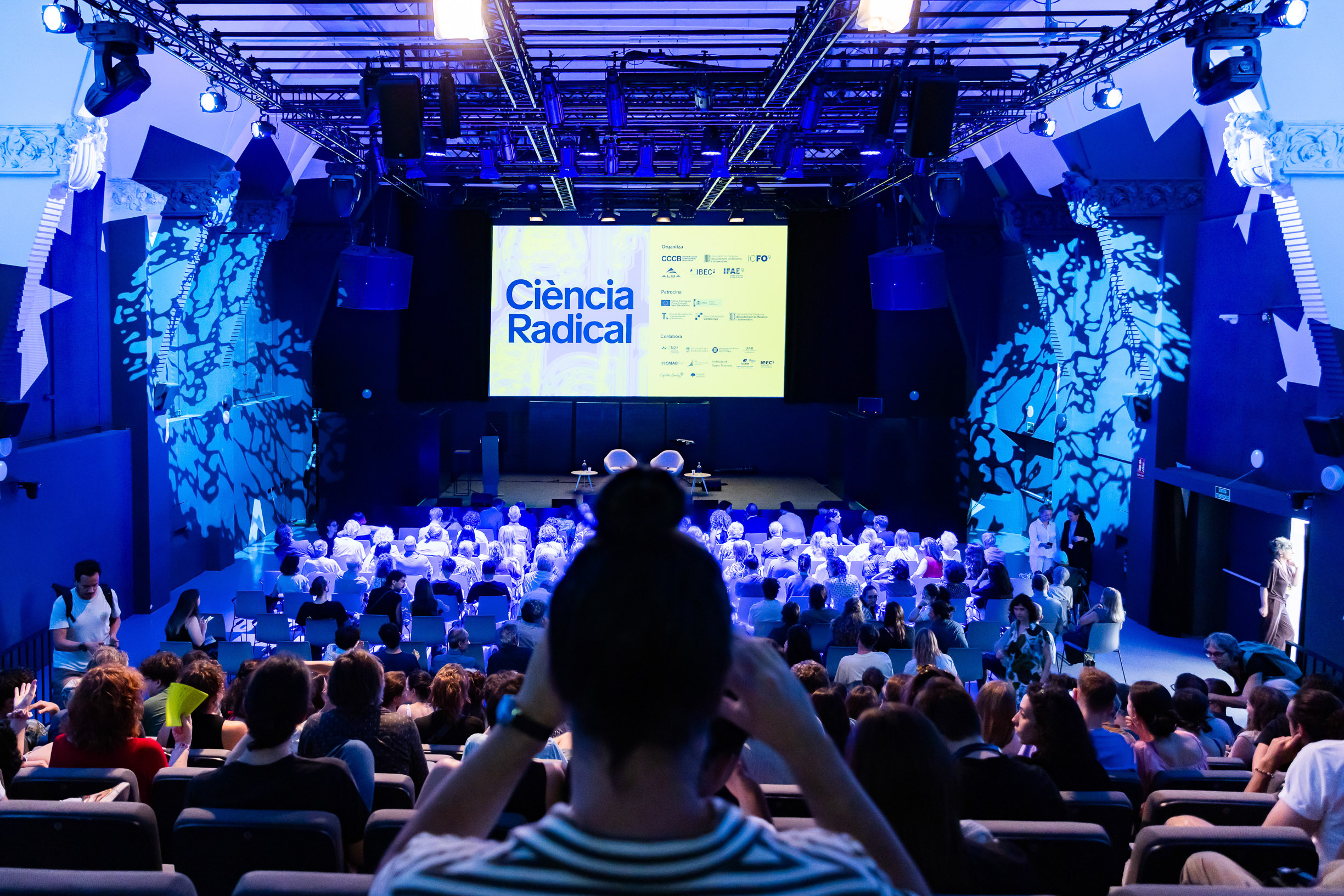
On 18 June, the CCCB hosted the closing ceremony of the programme, which offered an intense schedule of debates, artistic activities and meetings open to the public over the course of five months. These events aimed to explore how science will transform the world in the coming decades.
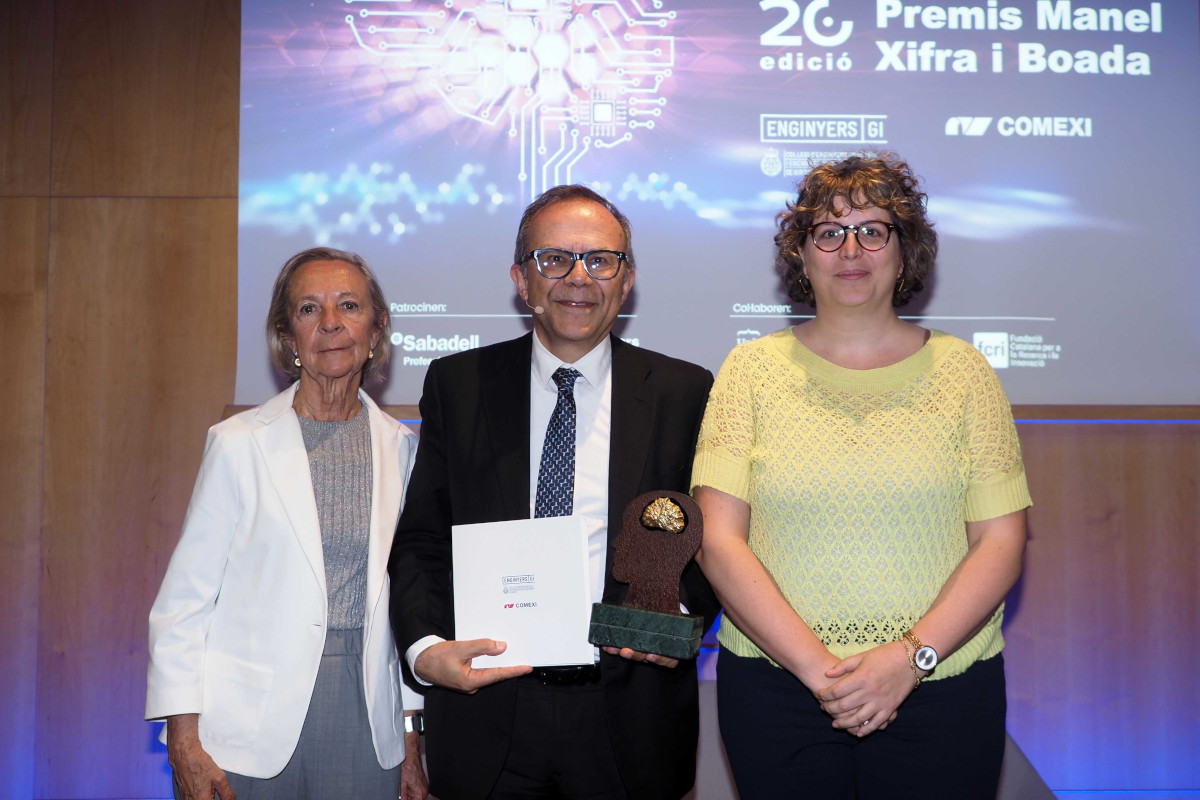
The awards ceremony was held yesterday at the Caixabanc Auditorium in Girona. IBEC was awarded in the technology centre category in recognition of its twenty years of excellence and interdisciplinary research at the intersection of engineering and life sciences.
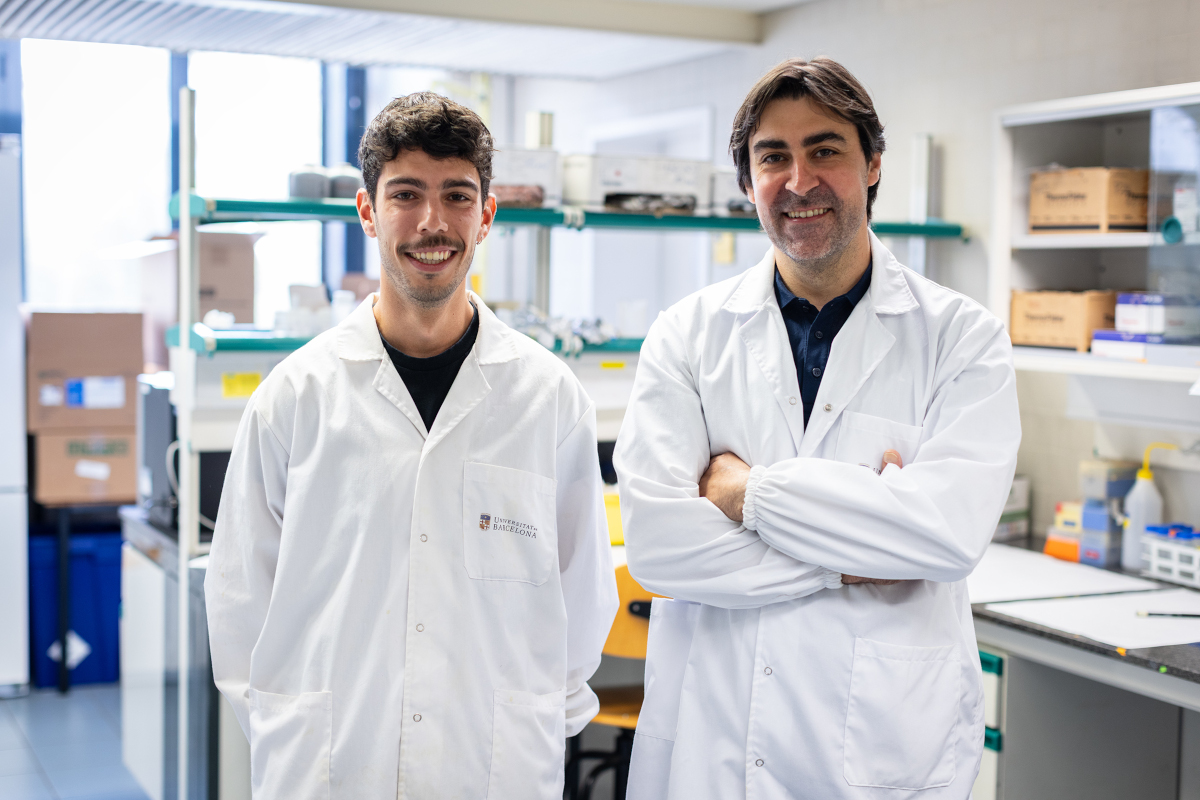
A study led by the University of Barcelona in collaboraiton with the Institute for Bioengineering of Catalonia reveals that the functional assay dynamic BH3 profiling (DBP) can predict whether specific treatments will be effective in non-small cell lung cancer patients. The technique helps determine which therapy will be most effective by testing it directly on living cells, improving personalised therapies.

MWC 2025, the leading international event in technology and connectivity, took place in Barcelona this week. The Institute for Bioengineering of Catalonia was present, showcasing some of its spin-offs and participating in conferences and panels on digital health and technology transfer.
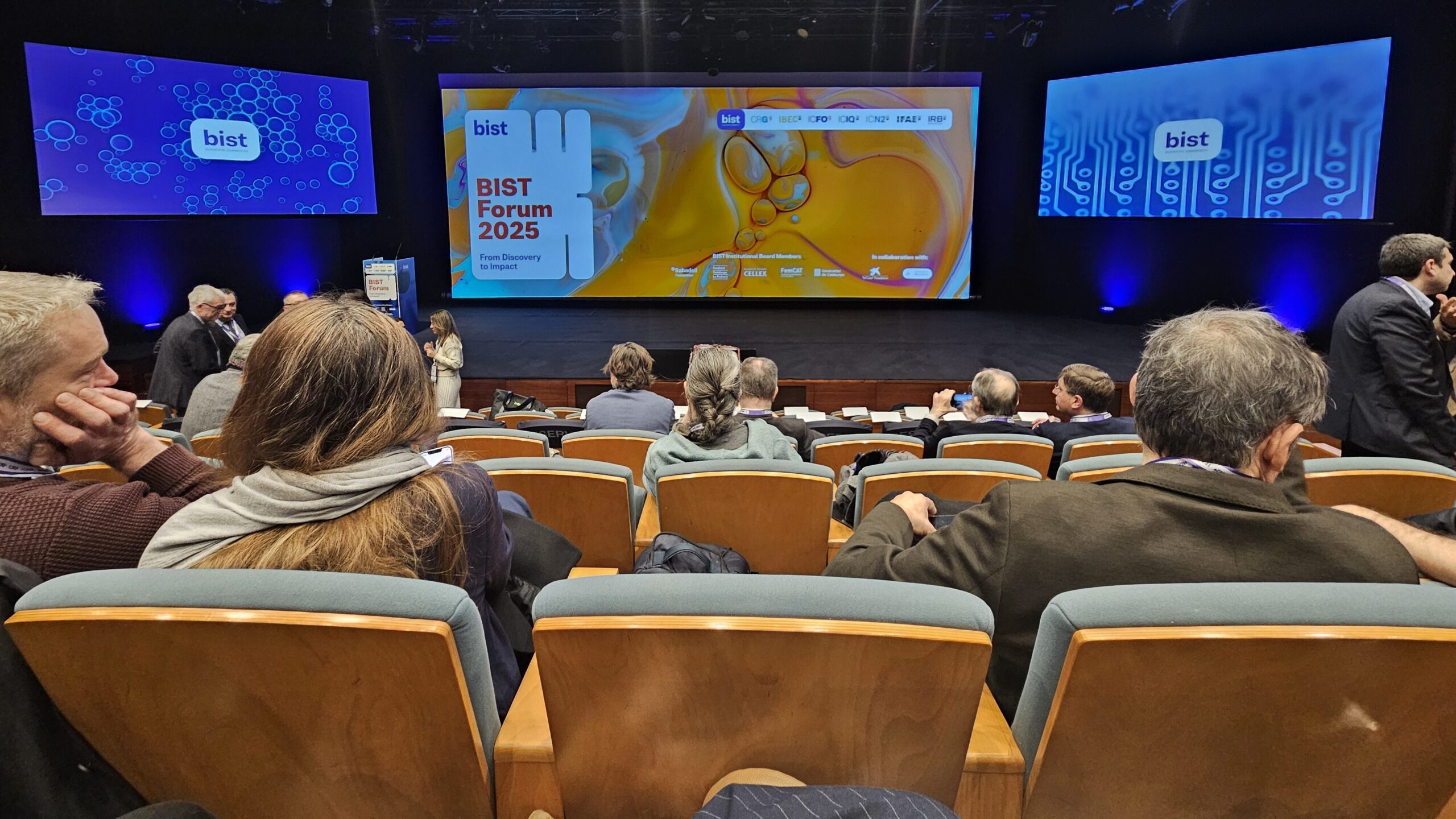
Today, the BIST Forum, an event that brings together the BIST scientific community, focused this year on the joint initiative of the seven CERCA centres to promote precision medicine in healthy ageing. During the event, the new BIST Ignite projects to promote multidisciplinary research were announced, with IBEC involved in four of the five selected projects. In addition, one of the projects in which IBEC is involved won a BIST Ignite Award.