IBEC committed with the creative talent of the future

 The Institute for Bioengineering of Catalonia (IBEC) is the first research center to take part in the “Creative talent and Business” initiative launched by the Catalan Government.
 The Institute for Bioengineering of Catalonia (IBEC) is the first research center to take part in the “Creative talent and Business” initiative launched by the Catalan Government.
 Bioengineering involves addressing, understanding and solving highly complex problems in biomedicine. Research in nanomedicine, cell and tissue engineering, and new technologies for health will greatly change the way we face medical challenges.
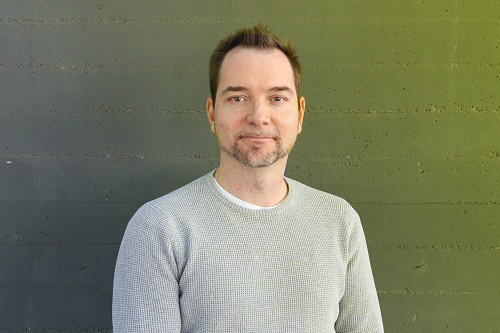
 An international committee has elected Samuel Sánchez, the European referent in nanomotors, as one of the new 13 researchers, among 185 candidates, who will be a member of the Young Academy of Spain.
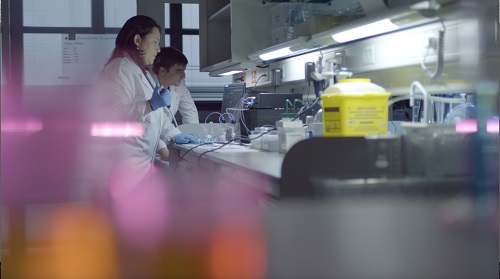
 Bioengineering is a core discipline for the medicine of the future, and Europe knows that. Proof of this is that the European Union (EU) has granted during the last months the coordination of three European projects to the Institute for Bioengineering of Catalonia (IBEC) to continue combining medicine, science and technology with the aim of improving people’s health.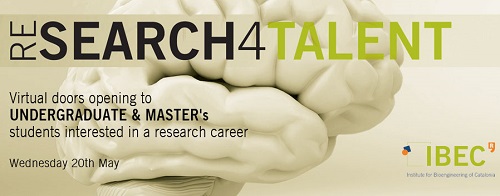
 Fifty undergraduate and master students attended this year’s reSearch4Talent, this is the sixth time we’ve opened our doors to young scholars interested in a scientific career, but this time, virtually.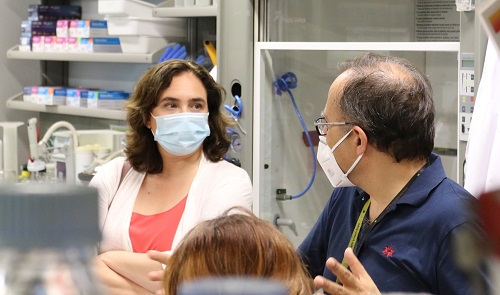
 The Mayor of Barcelona, Ada Colau, visited IBEC facilities last Friday to learn, by our Director and a group of researchers, how bioengineering can help find solutions to health problems such as COVID19, cancer, or degenerative diseases.
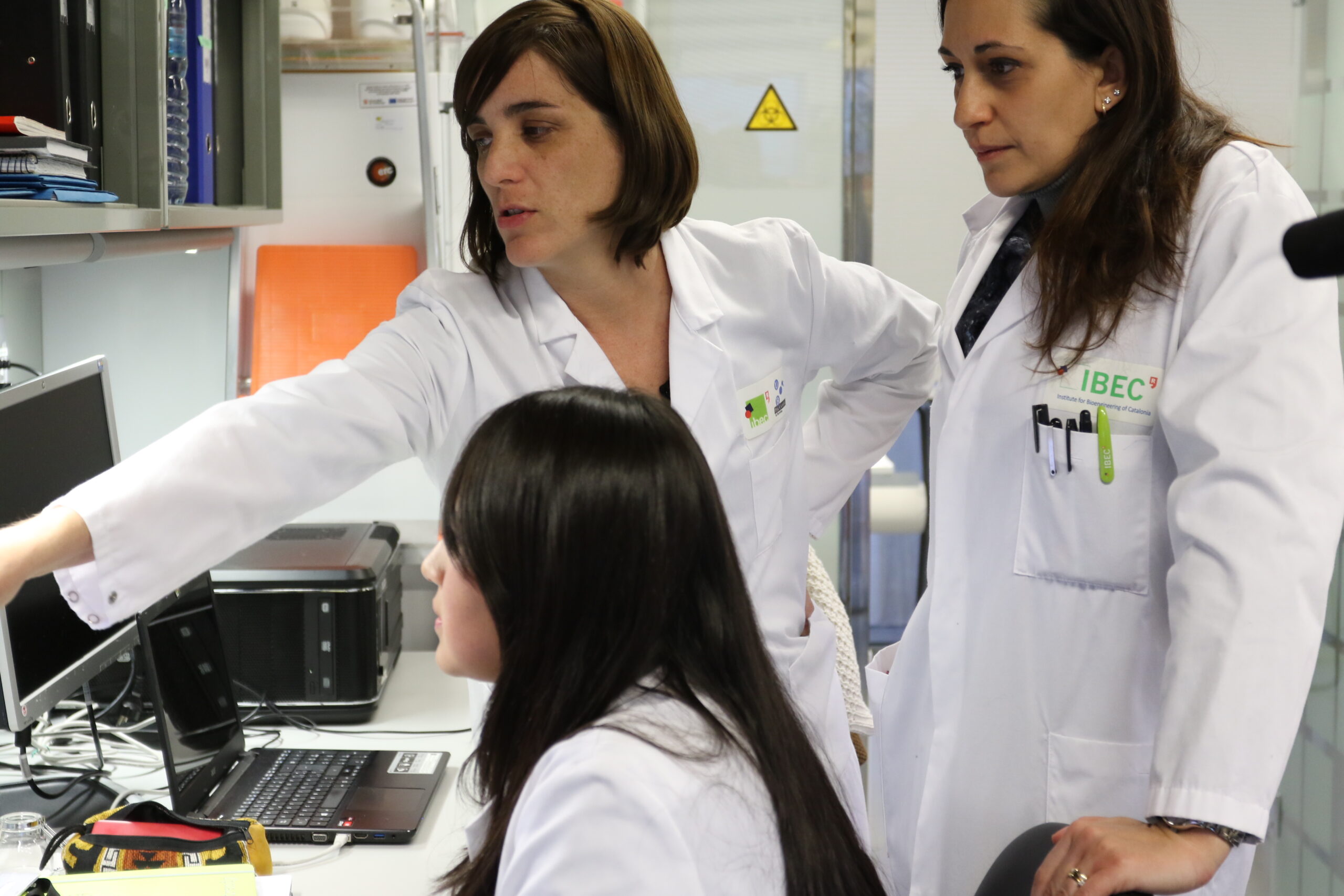
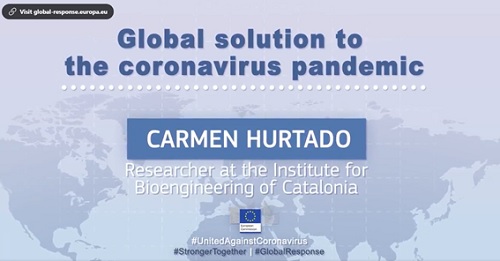
 The Institute for Bioengineering of Catalonia (IBEC) supports the EU initiative to pledge funds for collaborative development of solutions against COVID19. Carmen Hurtado, from the Group of ICREA Professor Núria Montserrat at IBEC contributes to spread the word of “Coronavirus Global Response” initiative in a video for the European Commission.
 On May 13, the new National Agreement for a Knowledge-based Society was presented at the appearance of the President of the Catalan Government and the Minister for Business and Knowledge.