Rossella Castagna, postdoctoral researcher at IBEC wins the ISOP2019 prize
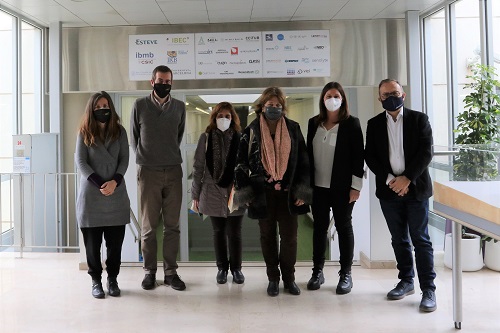
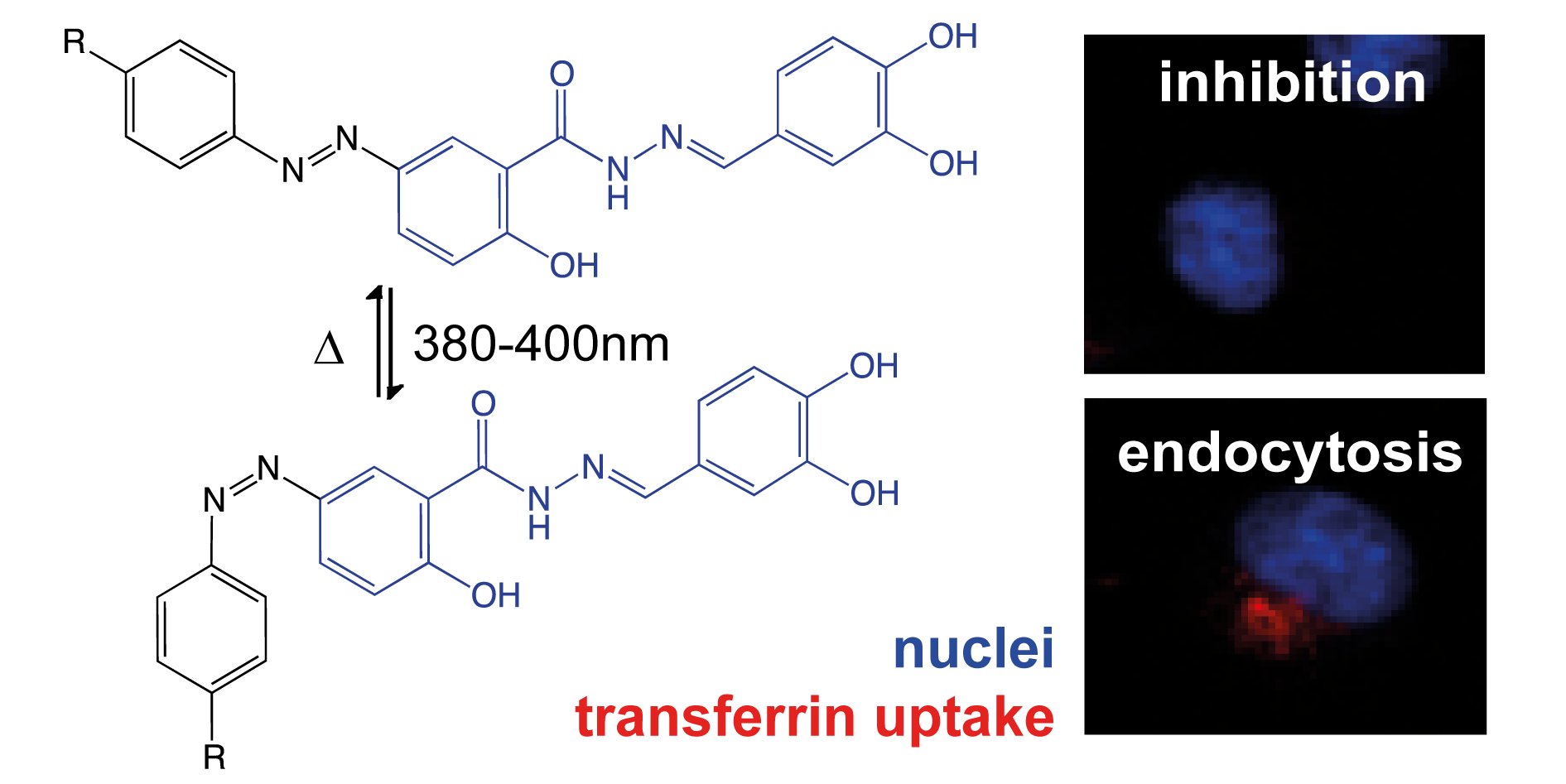
Rossella Castagna a postdoctoral researcher in the Nanoprobes and Nanowitches group at IBEC was awared with the ISOP2019 prize last week 9th International Symposium on Photochromism held in Paris. This recognition comes from her contribution to the field of photochromism and for the results that were collectively obtained in their group in the field of photopharmacology.
Rossella presented the group results on photoswitchable drugs at the reference international meeting for photochromism, held every 3 years, where she was awarded with the conference prize. According to the organizing committee, such a prize rewards the most talented young researchers whose contribution is expected to notably impact the field of photochromism.
Rossella Castagna a postdoctoral researcher in the Nanoprobes and Nanowitches group at IBEC was awared with the ISOP2019 prize last week 9th International Symposium on Photochromism held in Paris. This recognition comes from her contribution to the field of photochromism and for the results that were collectively obtained in their group in the field of photopharmacology.
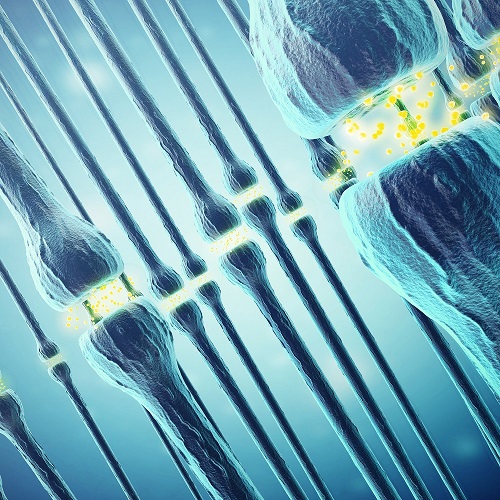
Scientists from the Institute for Bioengineering of Catalonia develop a technique that enables them to work out the specific function of a neuronal receptor according to its location in the brain. The study, published in PNAS, is based on the activation of photoswitchable drugs with micrometric precision and offers new opportunities in neurobiology.
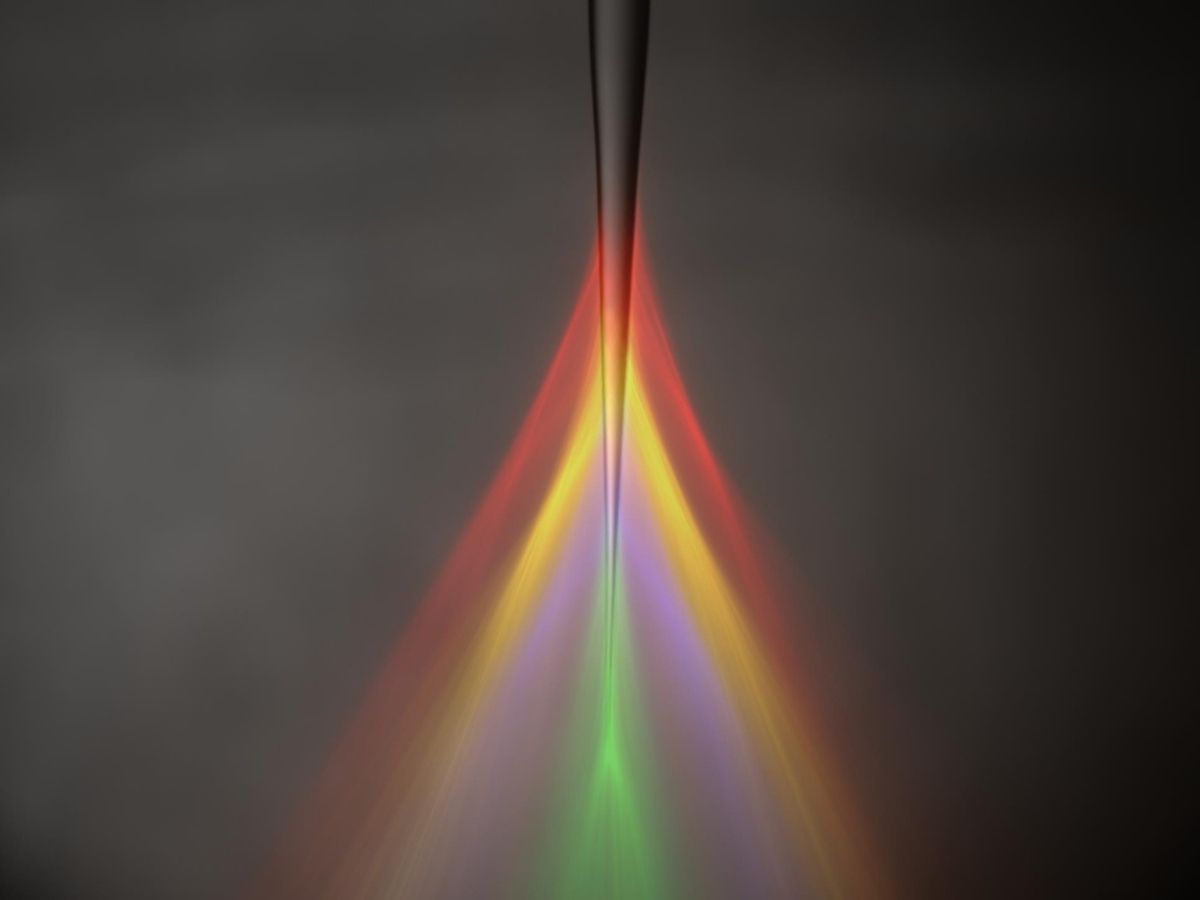
A scientific team led by IBEC and UAB manages to efficiently activate molecules located inside cell tissues using two-photon excitation of with infrared light lasers. The results of the study has been published in Nature Communications.
Collaborating IBEC groups have published a study in Nature Communications that reveals that electron transfer can take place while a protein is approaching its partner site, and not only when the proteins are engaged, as was previously thought.
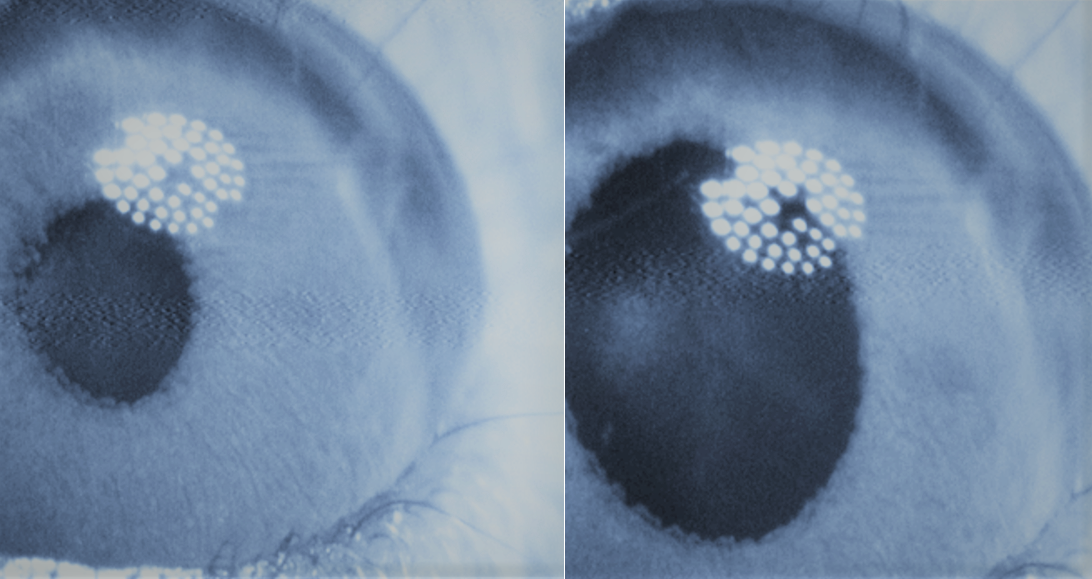
Researchers at IBEC and IDIBELL have developed a light-regulated molecule that could improve chemotherapy treatments by controlling the activity of anticancer agents.