La Razón: Trasplantan a cerdos riñones modificados con organoides humanos
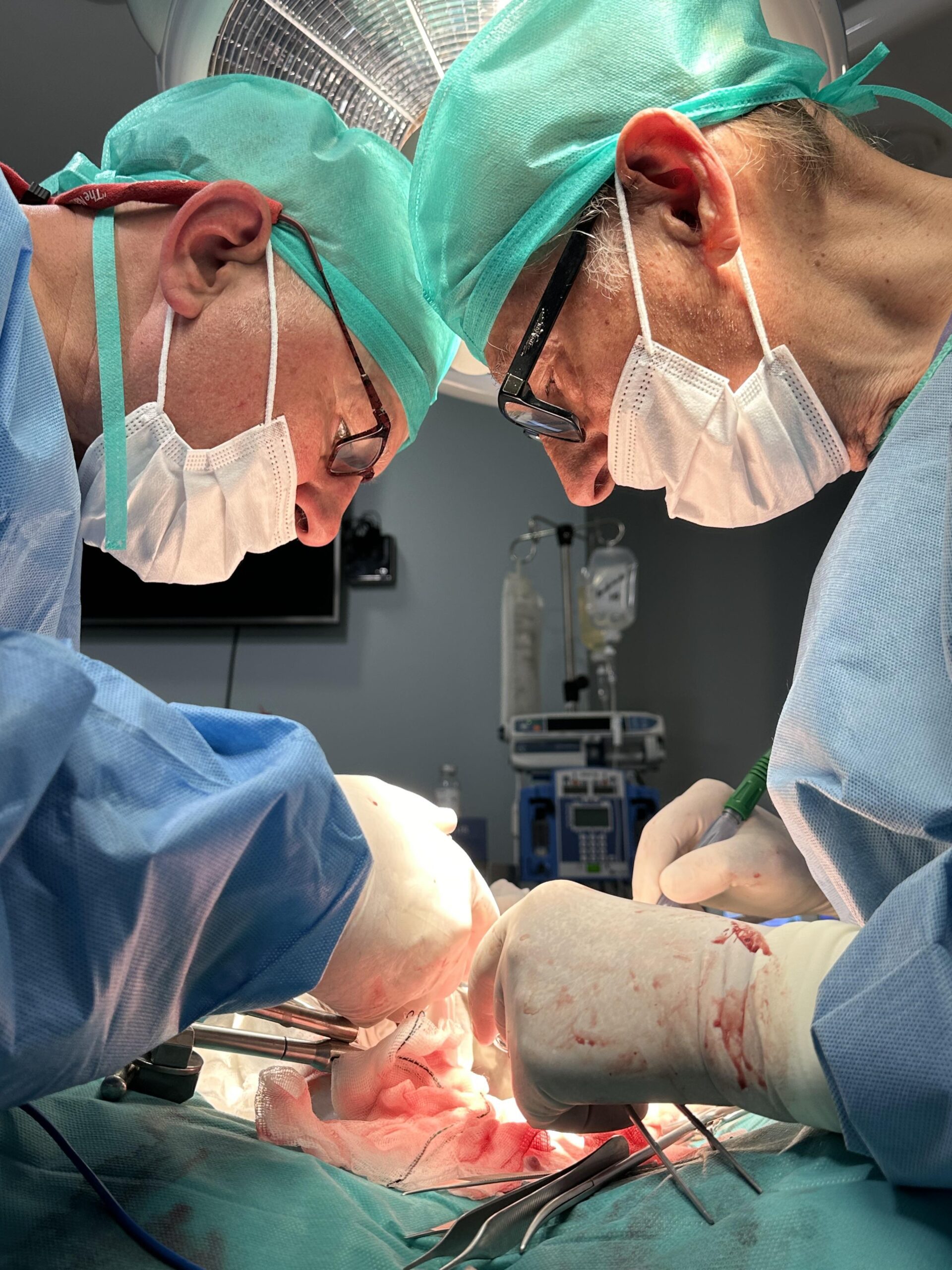
El objetivo es reparar o regenerar un órgano antes del implante para disponer de más que sean viables.

 Sarah Moreira
El objetivo es reparar o regenerar un órgano antes del implante para disponer de más que sean viables.
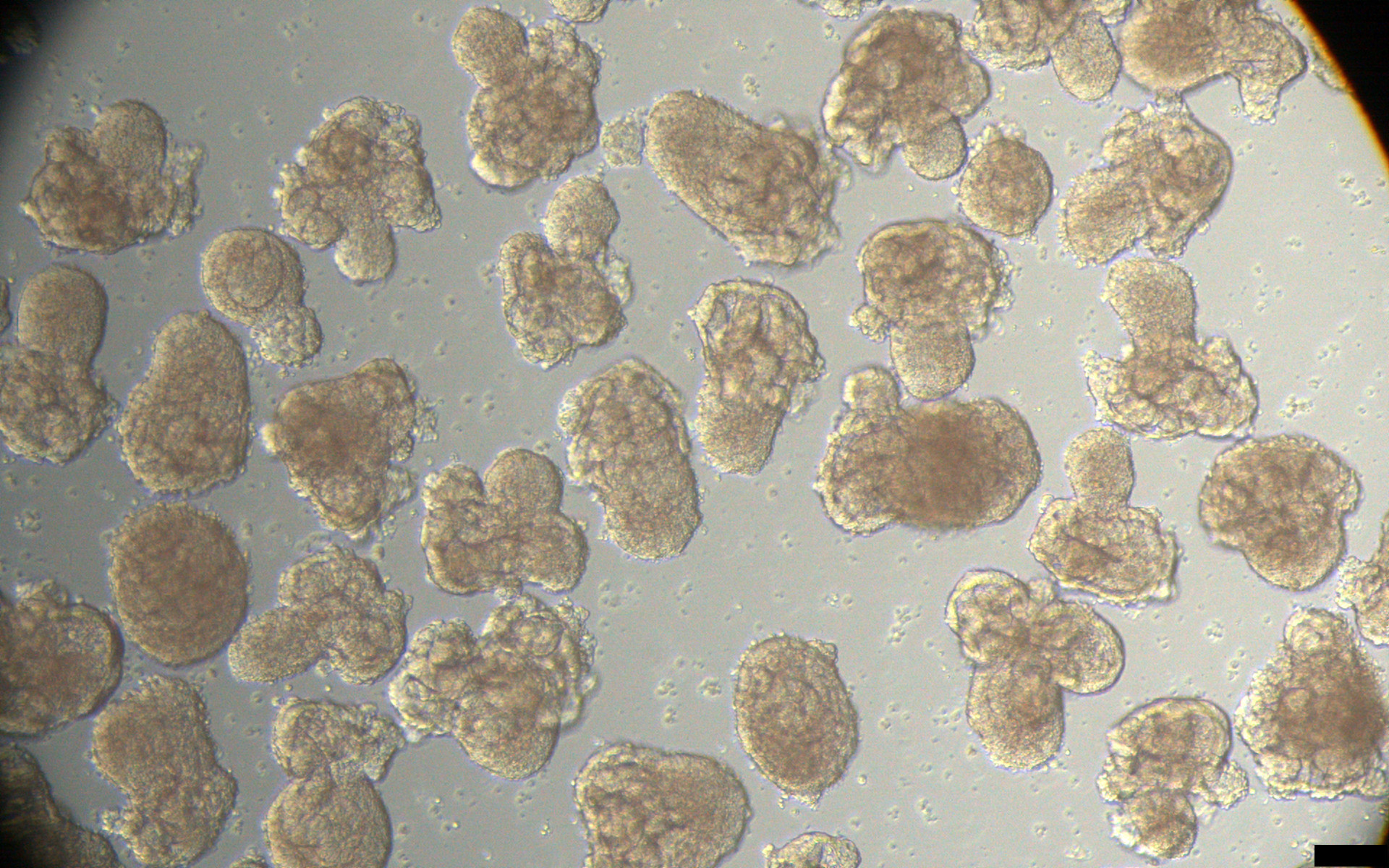
Los bioingenieros descubren cómo obtener los tejidos de manera rápida y asequible.
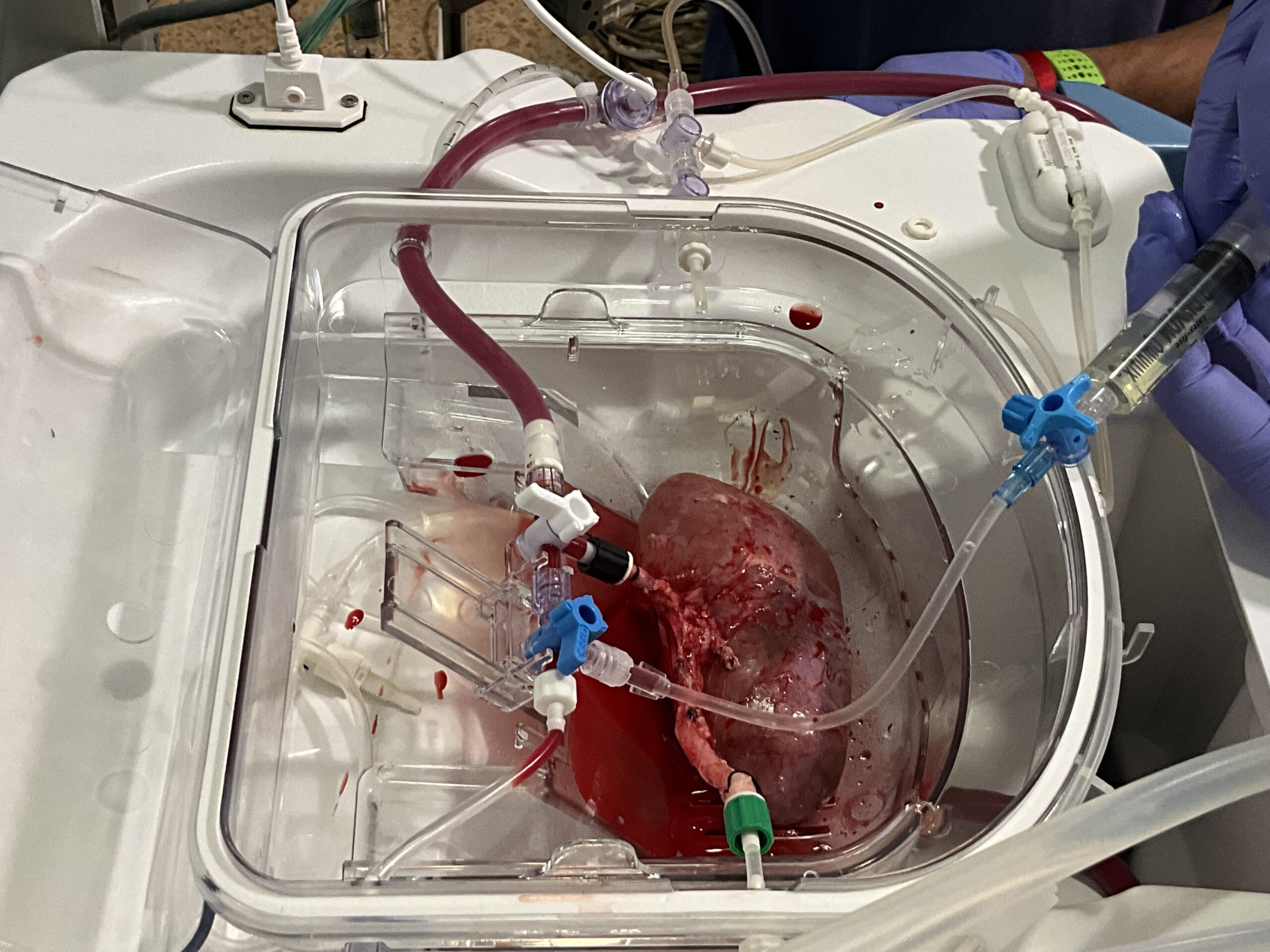
Científicos españoles demuestran la viabilidad de una tecnología celular con la que abordar las complicaciones en los trasplantes. El experimento ha demostrado que “la producción es escalable y segura”.
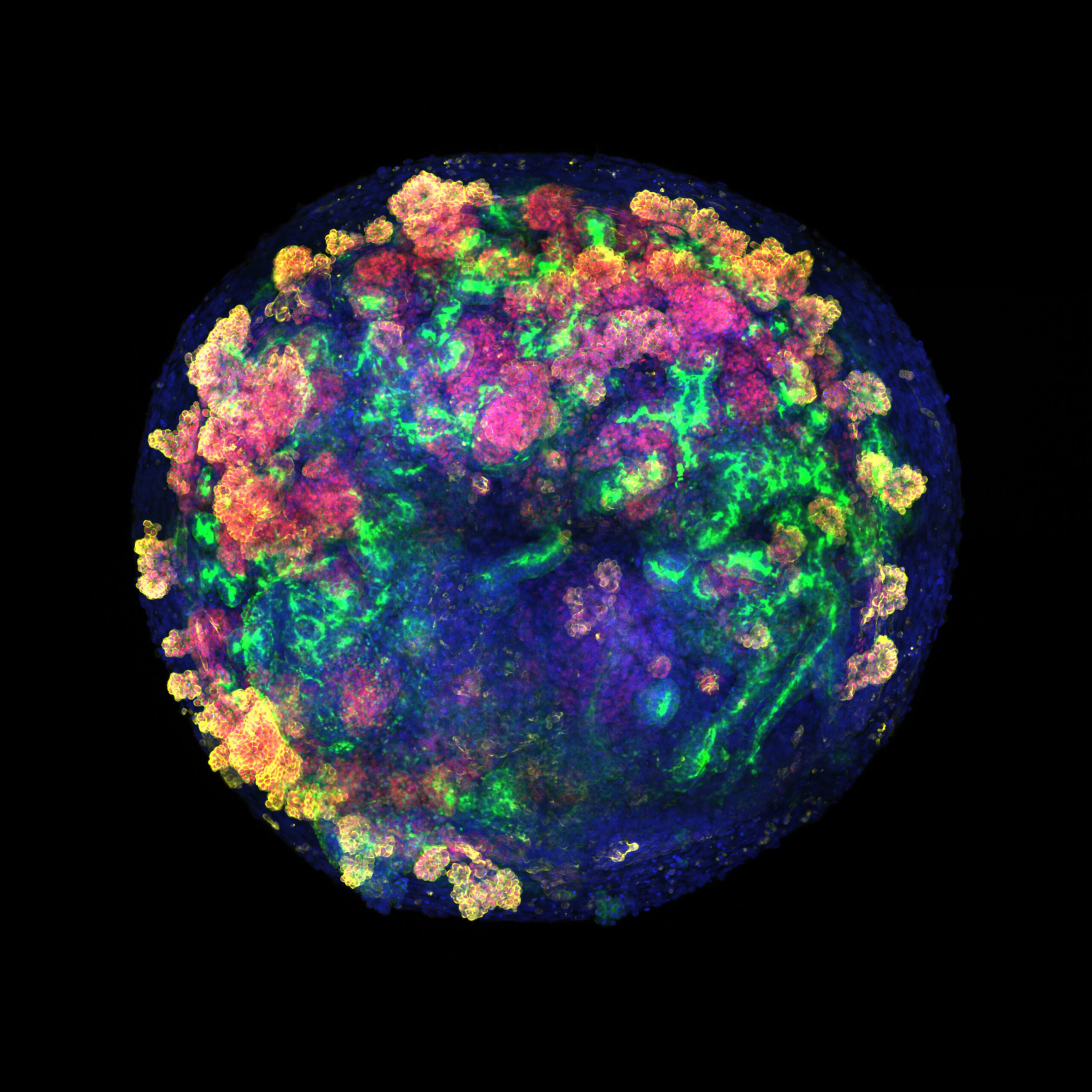
El avance puede facilitar la recuperación de vísceras dañadas para reducir las listas de espera de trasplantes, que no dejan de crecer
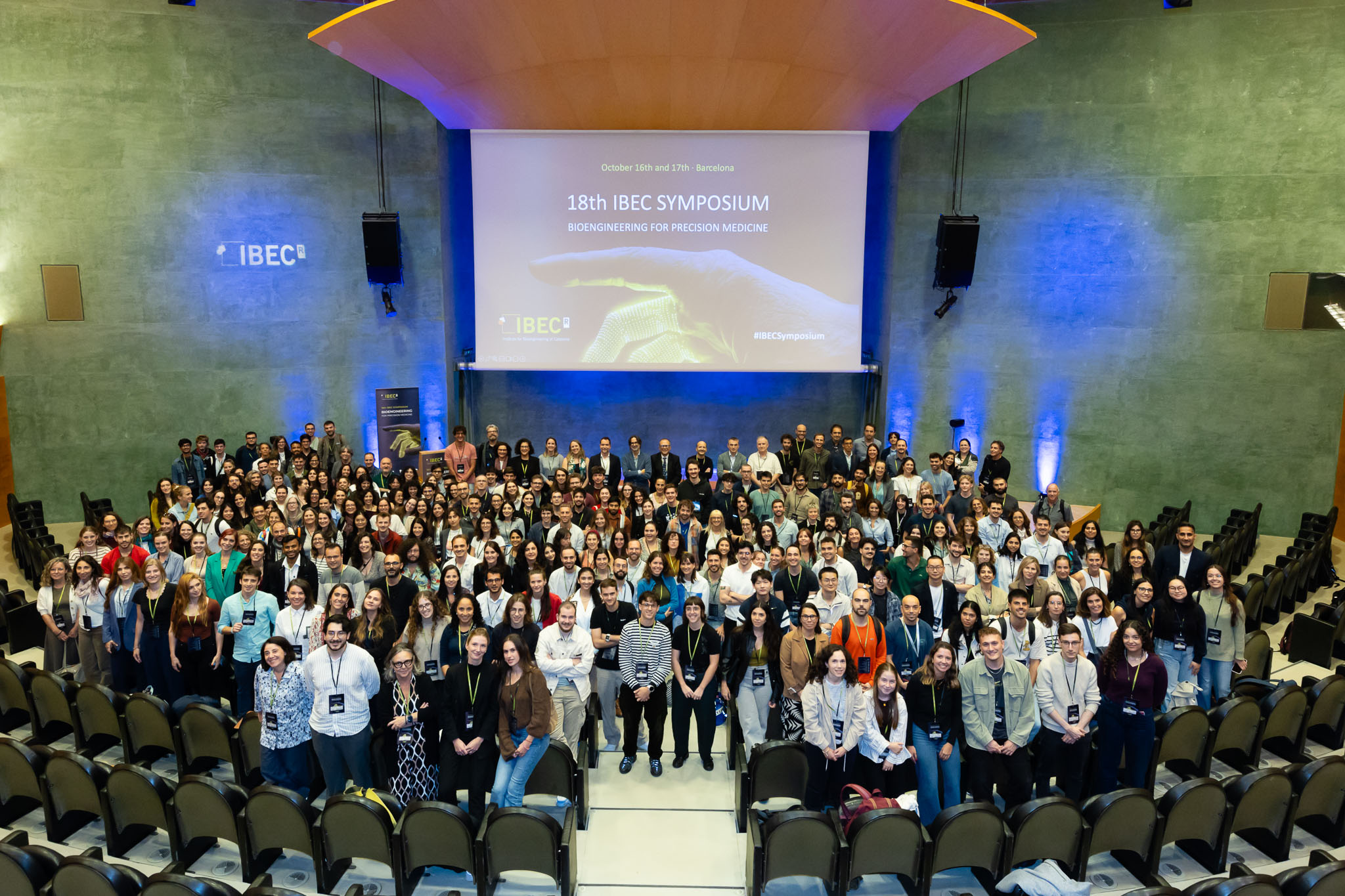
The 18th annual IBEC Symposium focused on ‘Bioengineering for Precision Medicine’, which is one of IBEC’s key areas of application. The event was attended by nearly 300 people, including local and international researchers. The multidisciplinary environment provided experts from other centres and the IBEC community with the opportunity to present their projects and exchange knowledge.

Amaya Hernández-Vega, a senior researcher at IBEC, will lead one of the two projects selected in the 2024 call for proposals from the Pasqual Maragall Research Programme, which is dedicated to funding research into Alzheimer’s disease and other neurodegenerative conditions. IBEC also celebrates the participation of Jordi Duran, an associate researcher from the Molecular and Cellular Neurobiotechnology group, who will collaborate on the second selected project.
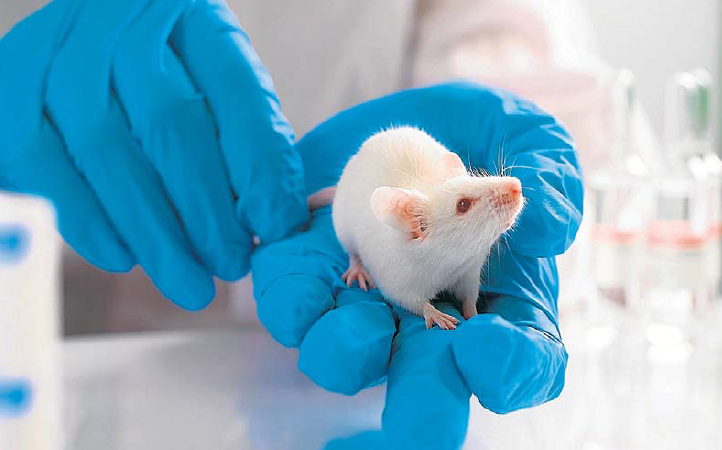
L’administració de nanopartícules permet netejar toxines del cervell
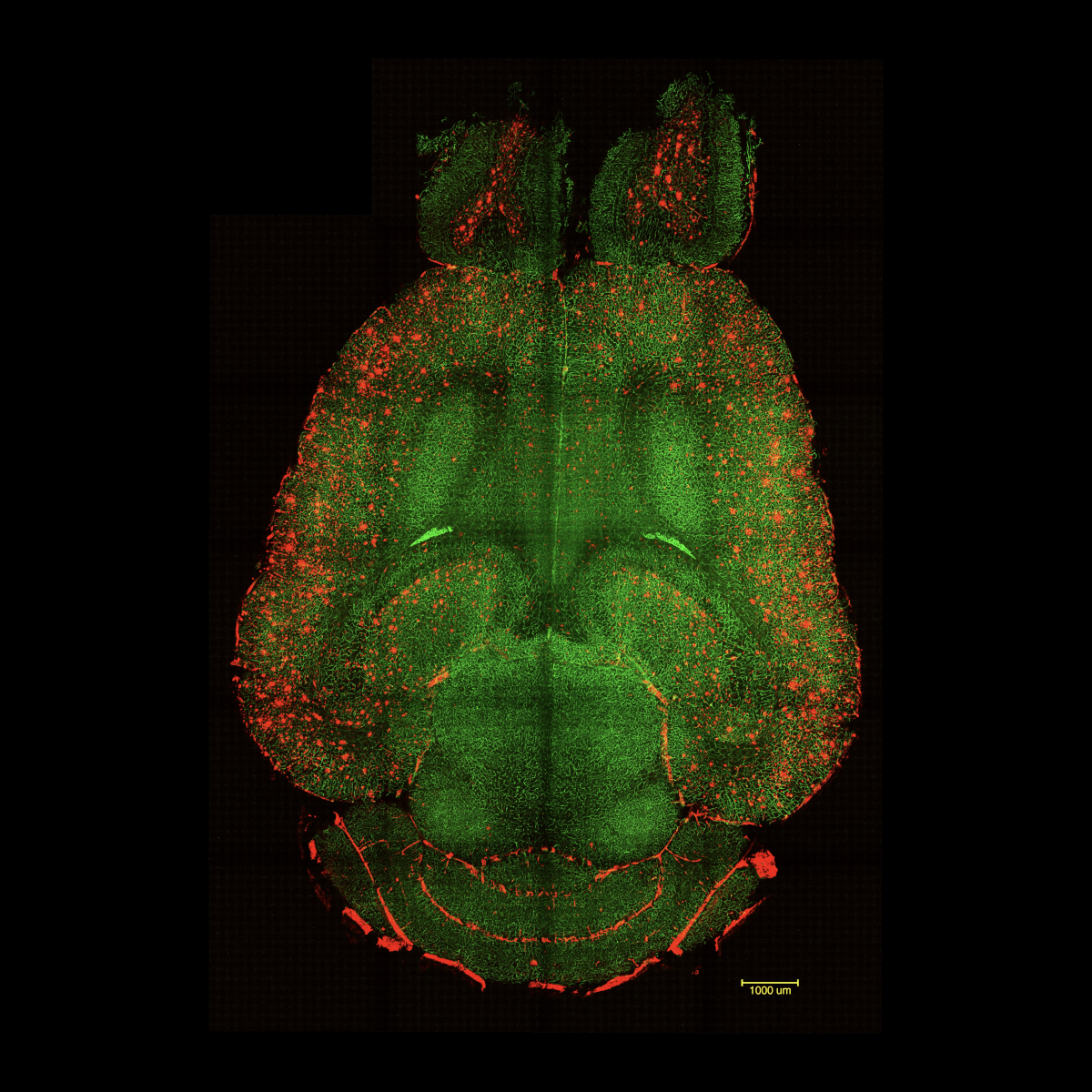
Diseñan una novedosa técnica centrada en restaurar la salud vascular con inyecciones de nanopartículas. «En una hora se han empezado a ver resultados».
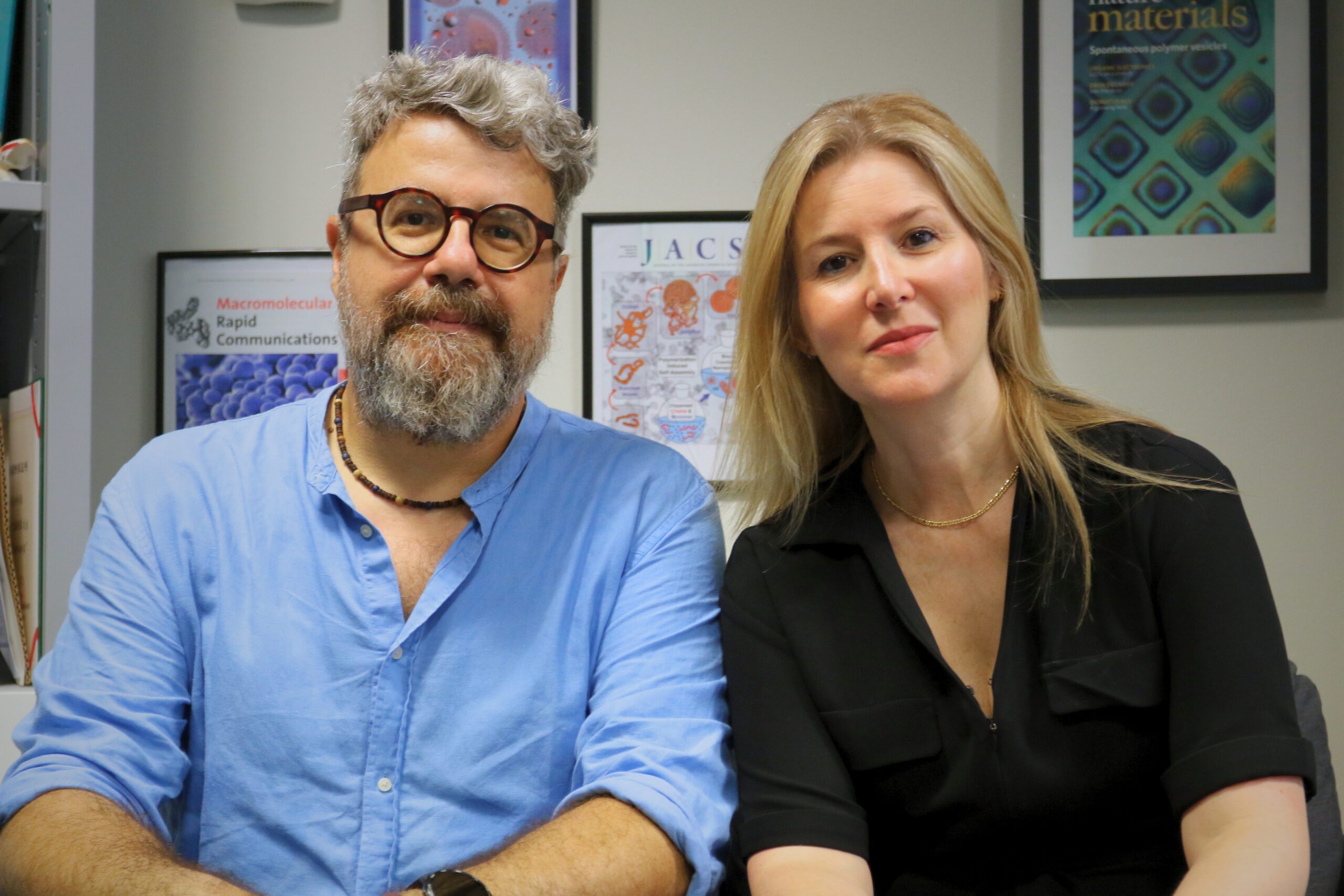
An international team co-led by the Institute for Bioengineering of Catalonia (IBEC) and the West China Hospital Sichuan University (WCHSU) was able to reverse Alzheimer’s in mice after only 3 injections with nanoparticles. The innovative approach to treating the disease focuses on restoring the normal function of the vasculature, rather than acting on neurons or other brain cells, as has usually been done until now. This achievement, published in the Signal Transduction and Targeted Therapy Journal, is a promising step towards an effective treatment for Alzheimer’s disease.

A new study reveals innovative nanotechnology that restored the function of the blood-brain barrier (BBB) to reverse Alzheimer’s in mice.